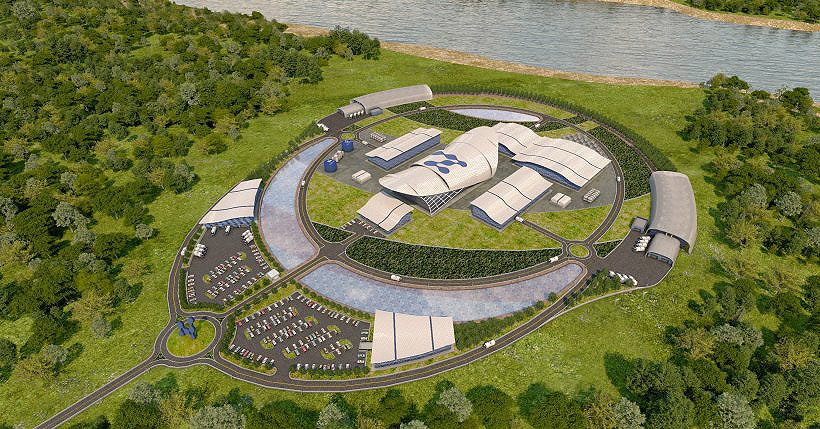
The Carbon Free Power Project (CFPP), the first small-scale US nuclear reactor designed by NuScale, has been canceled due to a lack of additional customers to buy its power. The project, which aimed to prove that smaller modular designs could make nuclear power more affordable, faced increasing costs and struggled to secure commitments to purchase its future power. Despite the cancellation, NuScale remains ahead of competitors in developing smaller nuclear plants and plans to build reactors in Romania and power data centers in Pennsylvania and Ohio. The company aims to provide carbon-free, cost-effective power by the mid-2030s.
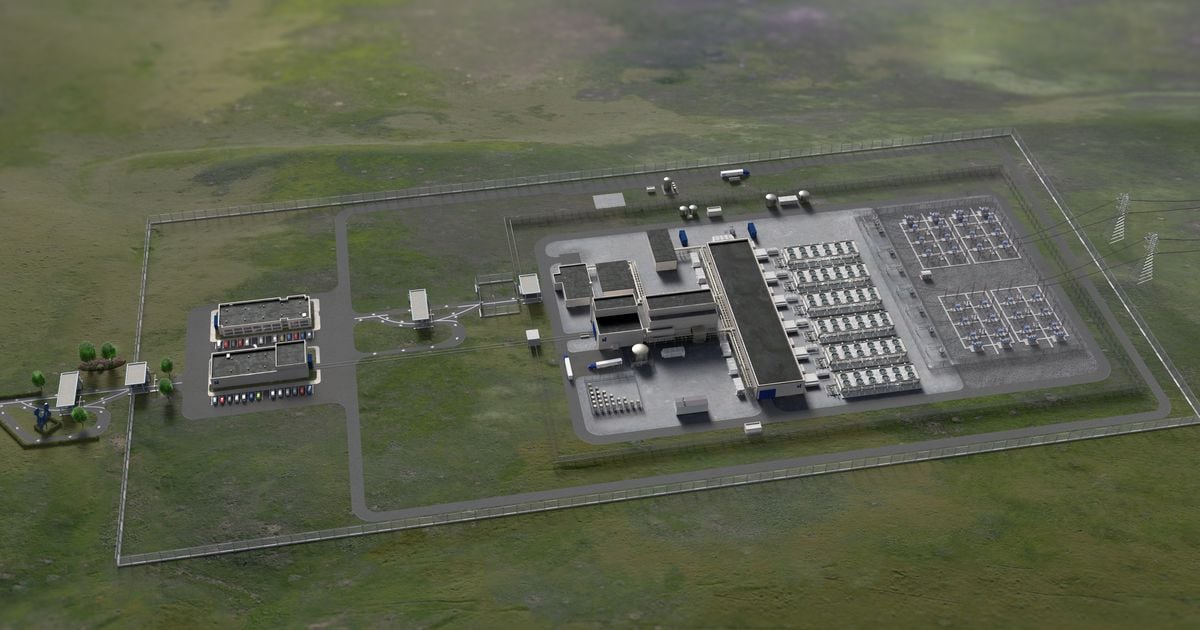
Utah Associated Municipal Power Systems (UAMPS) and NuScale have abandoned their decade-long plan for the "Carbon Free Power Project," which aimed to provide nuclear power to 27 communities in Utah by 2029. The project was canceled due to a lack of commitment from utilities and government power systems, resulting in insufficient partners. The cost of the project had more than doubled since its proposal, reaching over $9 billion, with UAMPS only committing to 26% of the power it was expected to produce. UAMPS is now focusing on alternative energy sources, including wind, solar, geothermal, and natural gas, to meet the region's growing demand for electricity.
NuScale Power has announced the cancellation of its Carbon-Free Power Project, which aimed to deliver six small nuclear reactors in Idaho. The project failed to attract enough utility customers, despite more than two dozen utilities signing up to buy electricity from the reactors. The decision to cancel the project was influenced by the rising cost of building the reactors, which had increased to $9.3 billion from $5.3 billion due to rising interest rates and inflation. NuScale's stock price fell over 20% following the announcement.
NuScale Power has announced the cancellation of its Carbon-Free Power Project, which aimed to deliver six small nuclear reactors in Idaho. The project failed to attract enough utility customers, despite more than two dozen utilities signing up to buy electricity from the reactors. The decision to cancel the project was influenced by the rising cost of building the reactors, which had increased to $9.3 billion from $5.3 billion due to rising interest rates and inflation. NuScale's stock price fell over 20% in after-hours trading, and the company plans to repurpose materials developed for the project for other customers.