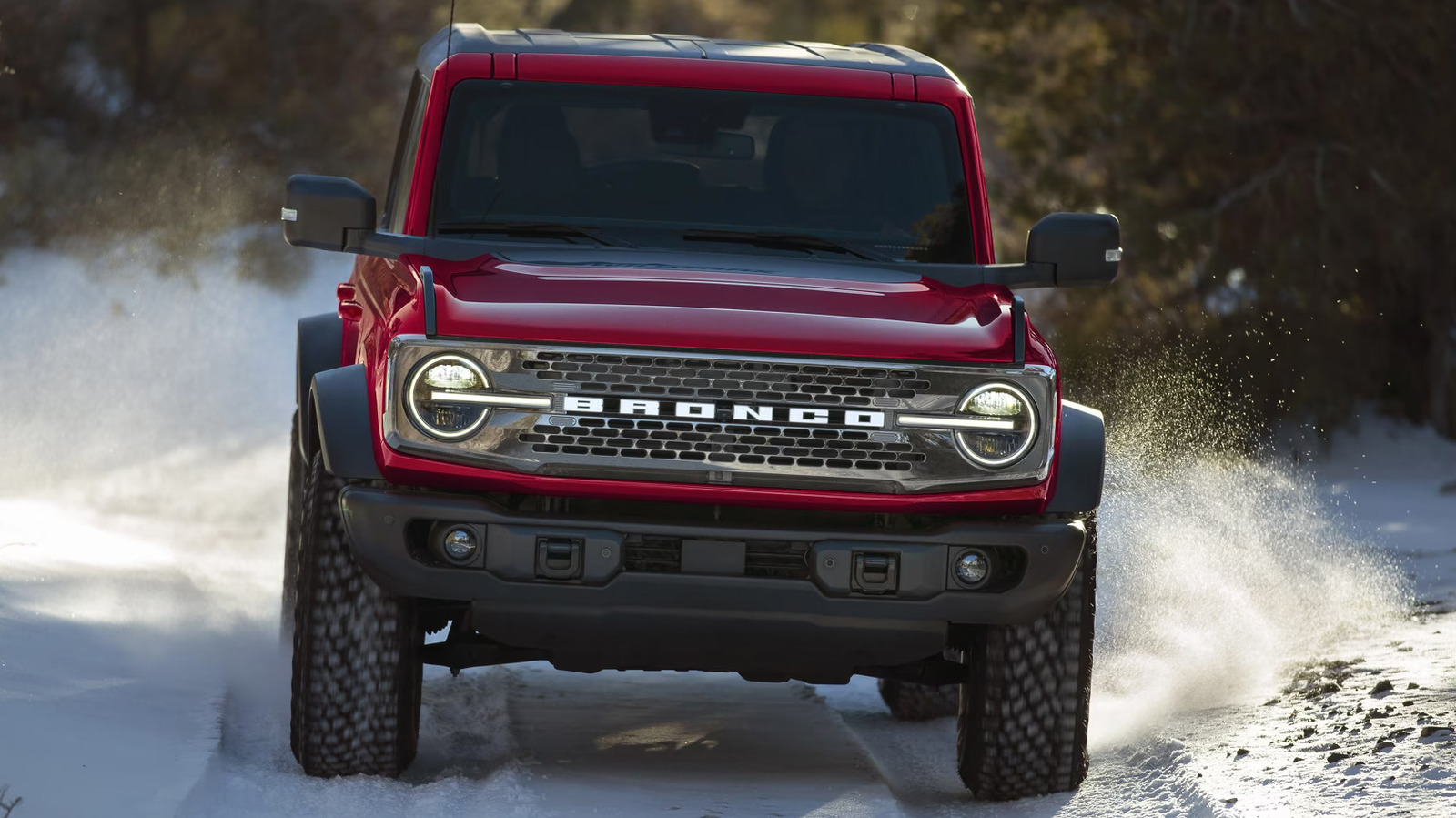
A three-year-old Ford Bronco depreciates about 36%, slightly better than the average 39% for new cars in the U.S., thanks to its high desirability, versatile configurations, and strong market demand, which help it retain value better than many other vehicles.
Jaguar's F-type sports car, known for its style and performance, is now available at prices comparable to a new Mazda Miata, with many models under $40,000. This makes it an attractive option for those seeking a classic sports car experience. Despite Jaguar's mixed reliability reputation, options like CarMax's warranties can offer peace of mind. The F-type remains a standout for its balance of style, sound, and value.
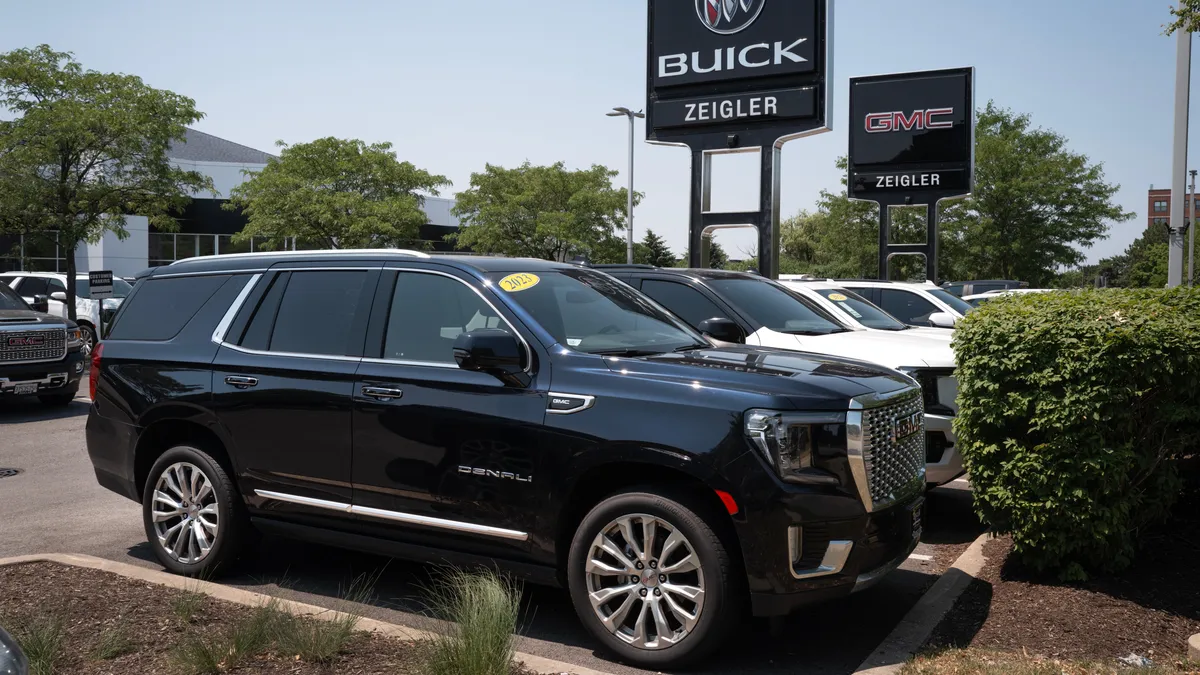
The trend of consumers overpaying for new cars above the manufacturer's suggested retail price (MSRP) is declining, with a 7% drop in buyers willing to pay markups, according to JD Power's 2024 U.S. Sales Satisfaction Index. This shift is attributed to increased dealer inventories post-pandemic. The study also reveals that electric vehicle (EV) buyers are less satisfied with their purchases and dealer expertise compared to gas vehicle buyers. Additionally, Porsche leads in sales satisfaction for premium brands, while Nissan, Buick, and GMC top their respective mass market categories.
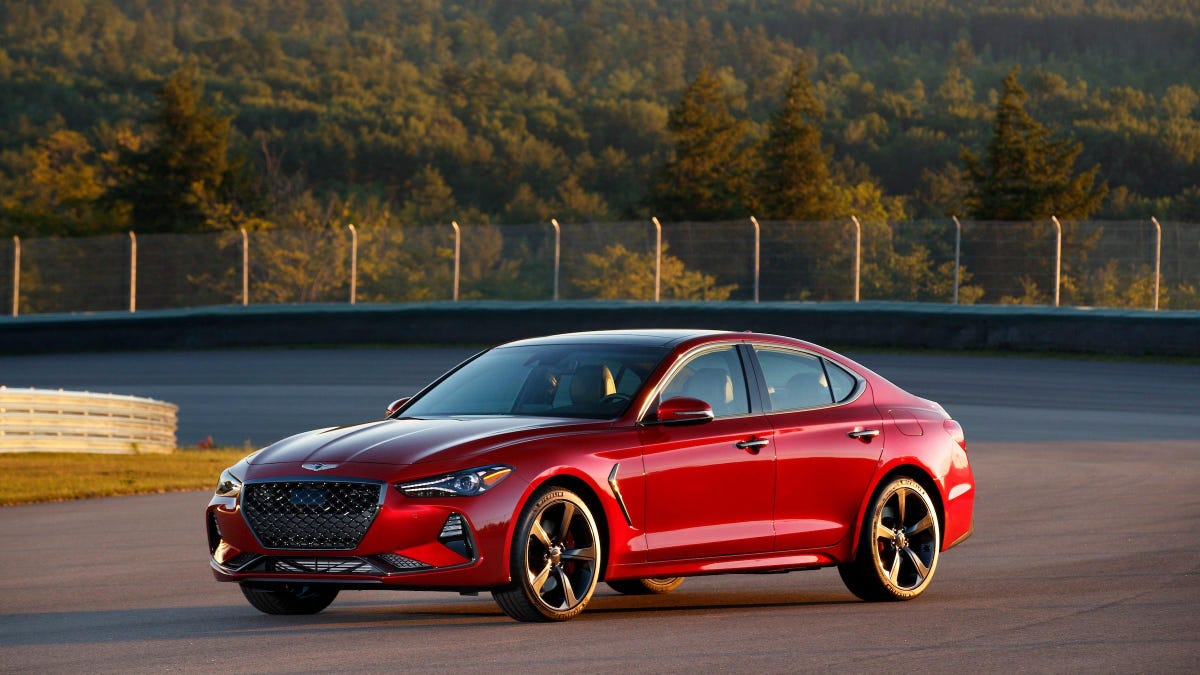
The Genesis G70, a modern sports sedan, is available on the used market for prices comparable to a Toyota Corolla, offering a compelling option for those seeking an enjoyable driving experience without breaking the bank. With its impressive driving dynamics, choice of turbocharged engines, and near-luxury features, the G70 presents a strong value proposition, especially considering its significant depreciation. Pre-facelift models can be found for as low as $20,000, making it an attractive option for budget-conscious buyers looking for a sporty and stylish sedan.
Americans are feeling trapped in a stagnant economy, with high prices, elevated interest rates, and a slow labor market making it difficult to make major life changes such as buying a home, car, or finding a new job. The housing market is characterized by high prices and elevated mortgage rates, while the car market faces similar challenges with expensive vehicles and costly financing. The labor market, although strong, is not conducive to job switching, leading to a sense of stasis and dissatisfaction among consumers. As a result, many Americans feel boxed out of big-ticket purchases and are shifting towards downgrading their spending while still splurging on treats, reflecting a sense of economic discomfort and uncertainty.
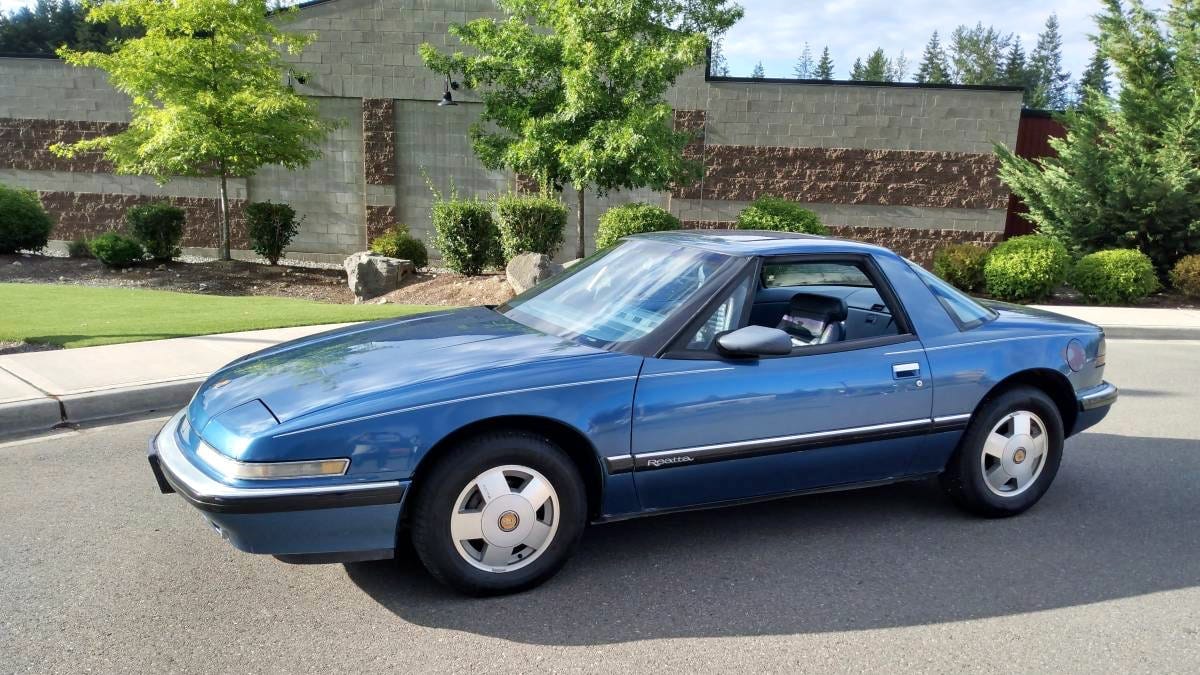
A 1989 Buick Reatta is being offered for sale at $5,550, claiming to be in excellent condition with a clean title. The Reatta, a two-seater coupe, was Buick's first production two-seater and one of only four two-seat cars offered by General Motors at the time. Despite not being popular when it was new, the seller believes that the Reatta may have gained more appreciation over time. The car features a well-maintained exterior, a clean interior with functioning power-adjustable seats, and a working Graphic Control Center (GCC) screen. The asking price is deemed "very cheap for a cool classic," but it remains to be seen if buyers will be enticed by this Reatta.
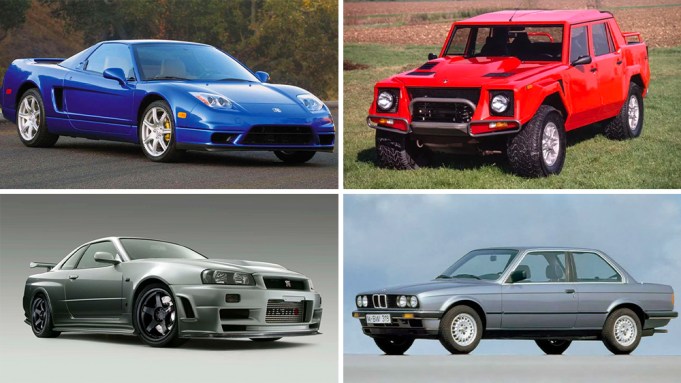
"Youngtimers," cars built after 1980, are gaining popularity among collectors due to their visually stunning designs and thrilling driving experiences. These vehicles, such as the Acura NSX, Aston Martin Lagonda Series 4, and BMW E30 M3, are meant to be driven rather than displayed. Youngtimers are more accessible in price compared to older classics, but their values have risen dramatically in recent years. Changes in import laws have also made it easier for collectors to access cars that were not originally sold in their country. Dedicated events and gatherings celebrate the culture surrounding youngtimers, further fueling their demand.
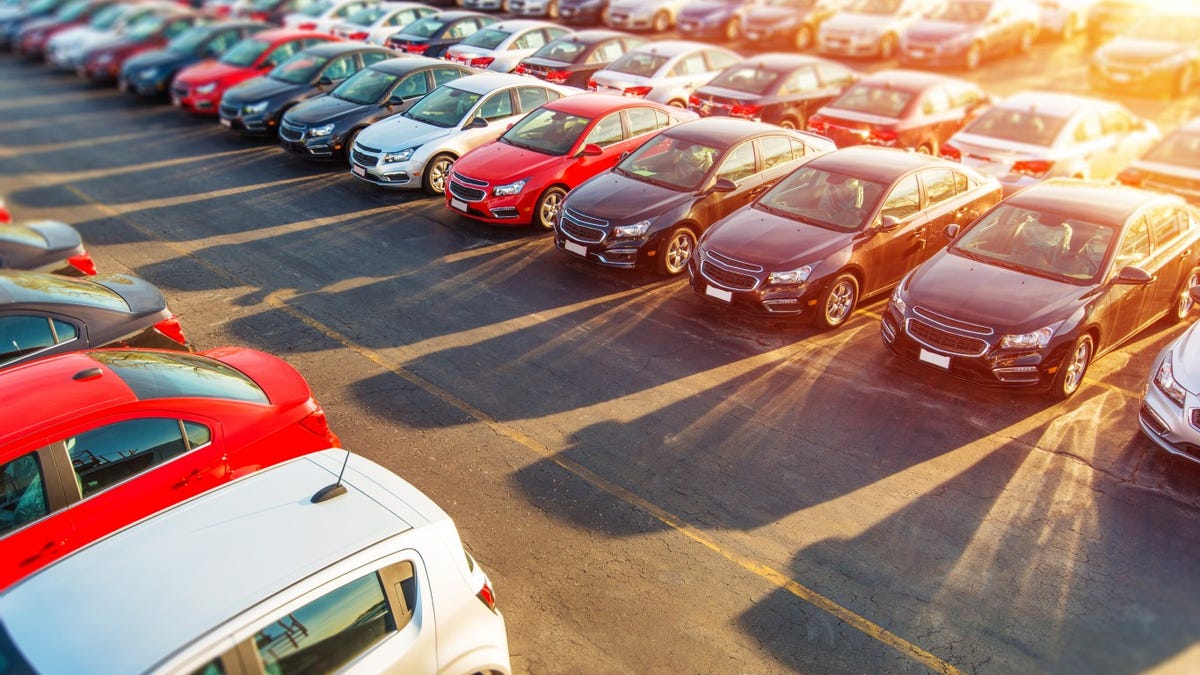
Car prices are finally cooling down after years of inflation, with dealers and manufacturers offering cash incentives for new vehicle purchases. Increased supply and easing supply chain shortages have contributed to the drop in prices. New vehicle inventory has increased, leading to a decrease in transaction prices. Luxury brands and EVs have seen significant price drops, with projections indicating that vehicle prices will continue to decline. Transaction prices are down 2.4% from January, marking the highest drop in over a decade.
CarGurus suggests that the best time to sell or trade in a used car is just after Labor Day, as prices tend to be 3.2% higher compared to the average week. This is a shift from the traditional best time to sell in April. The average listing prices for used vehicles have started to decline, so sellers looking to get top dollar should act quickly. When selling or trading in a car, it's important to have the necessary paperwork, including the car title, odometer reading, maintenance records, vehicle history, warranty (if applicable), emissions report (if required), and a bill of sale. On the other hand, the best time to buy a used car is mid-February, around Presidents' Day, where prices can be 2.8% lower compared to the average week.
The car market is becoming increasingly unaffordable, with just 8% of new vehicles costing under $30,000, making it the least affordable in modern history, according to experts. Consumer preferences have shifted towards more expensive SUVs and trucks, leading to higher demand for vehicles with luxury features. As a result, car prices have reached near-record highs, with the average transaction price for new cars at $47,892 in May. Meanwhile, the availability of lower-priced options has significantly decreased, leaving more car shoppers priced out of the new car market and resorting to purchasing older, higher-mileage used cars.
The average price of a new car in the US hit $48,000 in March, making it harder for everyday Americans to afford. Rising monthly payments amid interest rate hikes from the Federal Reserve are also squeezing budgets. Car companies investing more in higher-end cars is driving up costs, and buyers also have to factor in gas, repair costs, and insurance. May is the best month to buy a new car as dealerships offer steep discounts to get rid of old inventory.