
Tag

Burrowing

All articles tagged with #burrowing

science1 year ago

"New Burrowing Dinosaur Species Unearthed by Scientists"

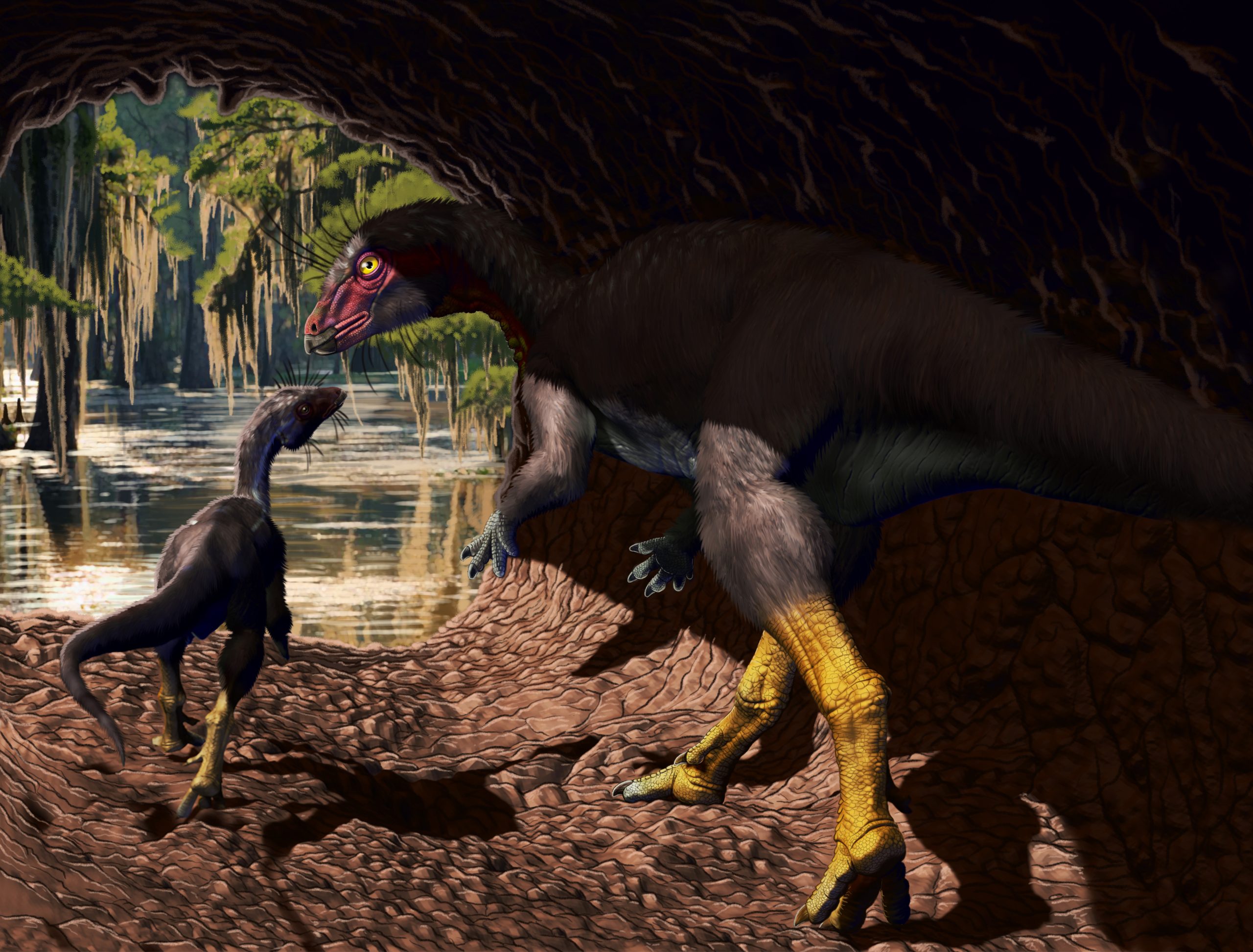
Scientists have discovered a new dinosaur species, Fona herzogae, in Utah, which likely lived partially underground. This mid-Cretaceous herbivore, about the size of a large dog, shows anatomical features adapted for burrowing, such as strong bicep muscles and fused pelvic bones. The discovery, made by paleontologists from North Carolina State University and the North Carolina Museum of Natural Sciences, highlights the ecological diversity and adaptability of dinosaurs, expanding our understanding of their roles in ancient ecosystems.
natureanimals2 years ago

"The Black Rain Frog: A Bizarre, Grumpy-Faced Amphibian with Limited Jumping and Swimming Abilities"

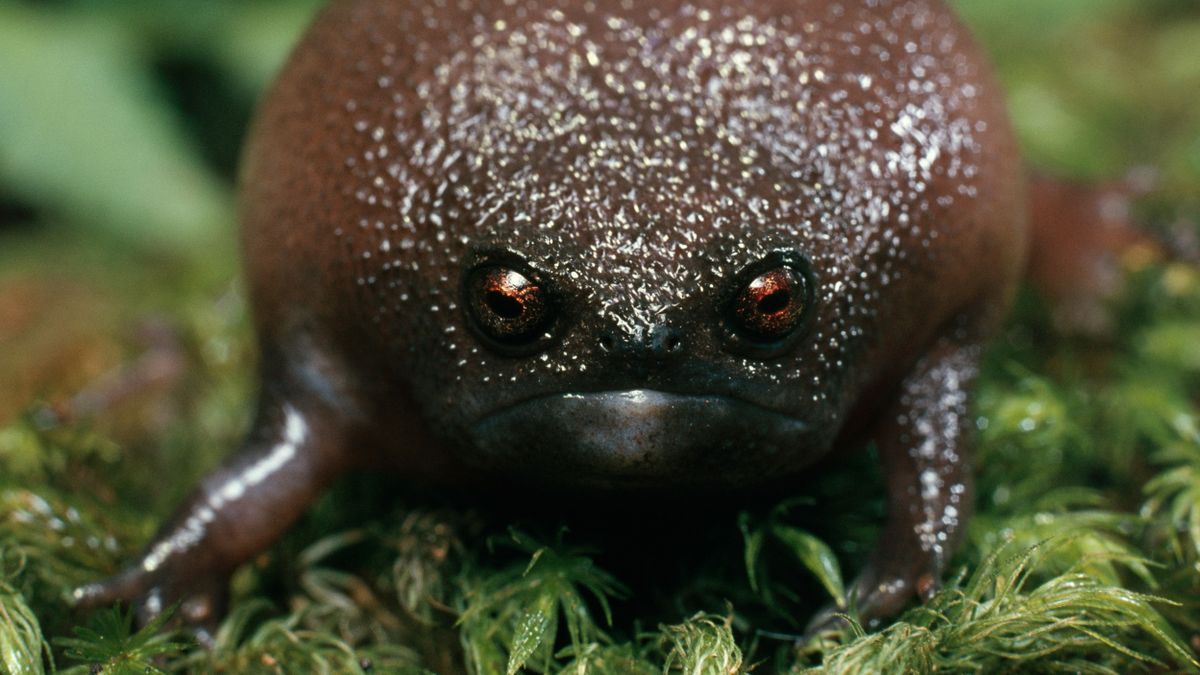
The black rain frog, known for its grumpy face, is a fascinating amphibian found in the forested slopes of South Africa. Unlike most frogs, they are terrible at swimming and jumping but excel at burrowing. They create intricate underground systems where females lay their eggs, and their tadpole stage takes place underground. Above ground, they run or walk instead of hopping and have the ability to inflate their bodies as a defense mechanism. These frogs also produce a slightly toxic milky substance. Despite their grumpy appearance, they are considered cute and unique due to their distinctive features and behaviors.

science2 years ago

"From Burrowing to Surface: Snake Genome Unveils Adaptation"

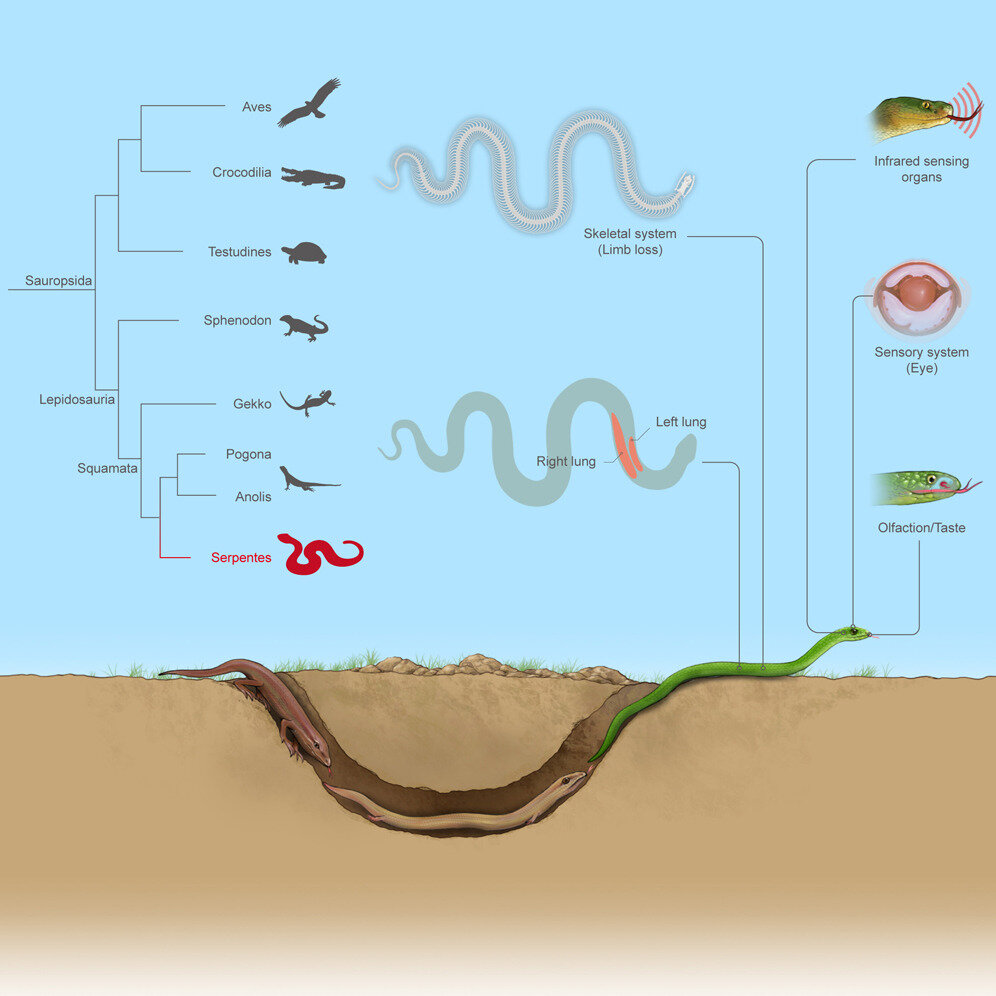
The Chinese Academy of Sciences has led a study that created a high-resolution genomic reference for the study of snake evolution by assembling the chromosome-level genome of 14 snakes from 12 different families. The study revealed that snakes originated during the Early Cretaceous around 118 million years ago and underwent rapid diversification after the mass extinction event 65 million years ago. The study also found that snakes have adapted to surface life after a prolonged low-light burrowing period by upregulating genes that had been conserved. The high-quality data collection has been made public and will be a relied upon genomic reference source for future research into reptilian biology.