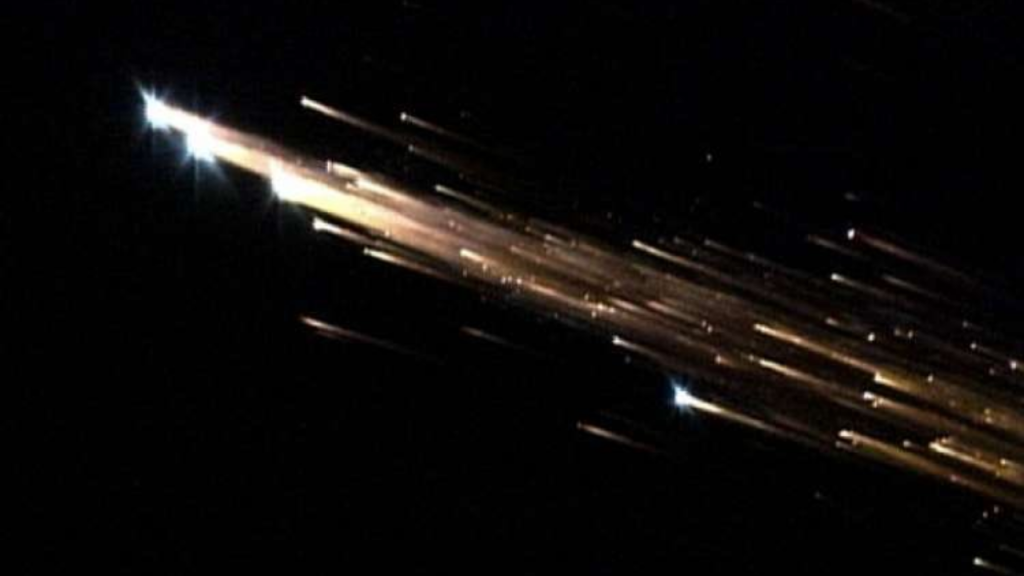
Meteor Sightings Reported in Portugal
A bright meteor, identified as a bolide, was observed streaking across the skies of Portugal on November 2nd, with sightings reported nationwide.

All articles tagged with #bolide
A bright meteor, identified as a bolide, was observed streaking across the skies of Portugal on November 2nd, with sightings reported nationwide.

A spectacular fireball, brighter than the moon, lit up the sky over western Japan, seen by residents and experts as a natural meteor event, with some reports of the air vibrating and the object entering the Pacific Ocean.
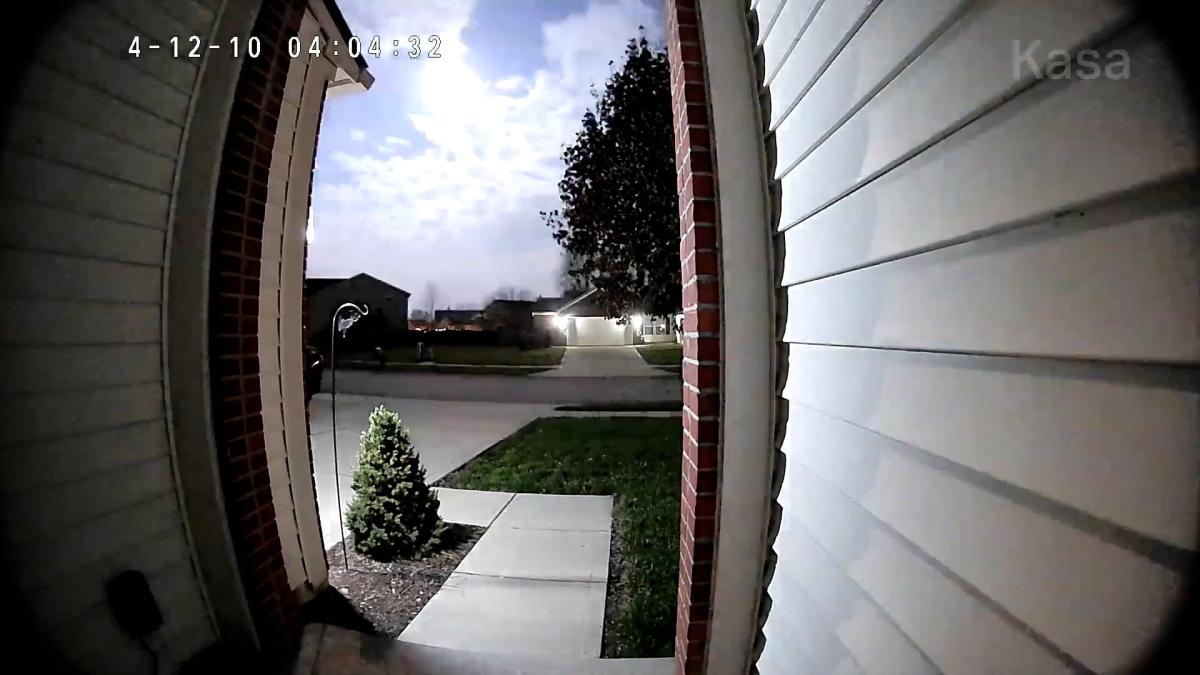
A bright fireball meteor, possibly a bolide, was seen and heard over Indiana and surrounding states early Tuesday morning, creating a spectacle with a loud "explosion" and a bright flash. The American Meteor Society received over 30 reports from witnesses across the Midwest. Fireballs are brighter and larger than typical meteors, and while they occur daily worldwide, witnessing one is rare. The event was captured on doorbell cameras and shared on social media. Witnesses are encouraged to report such sightings to the American Meteor Society.
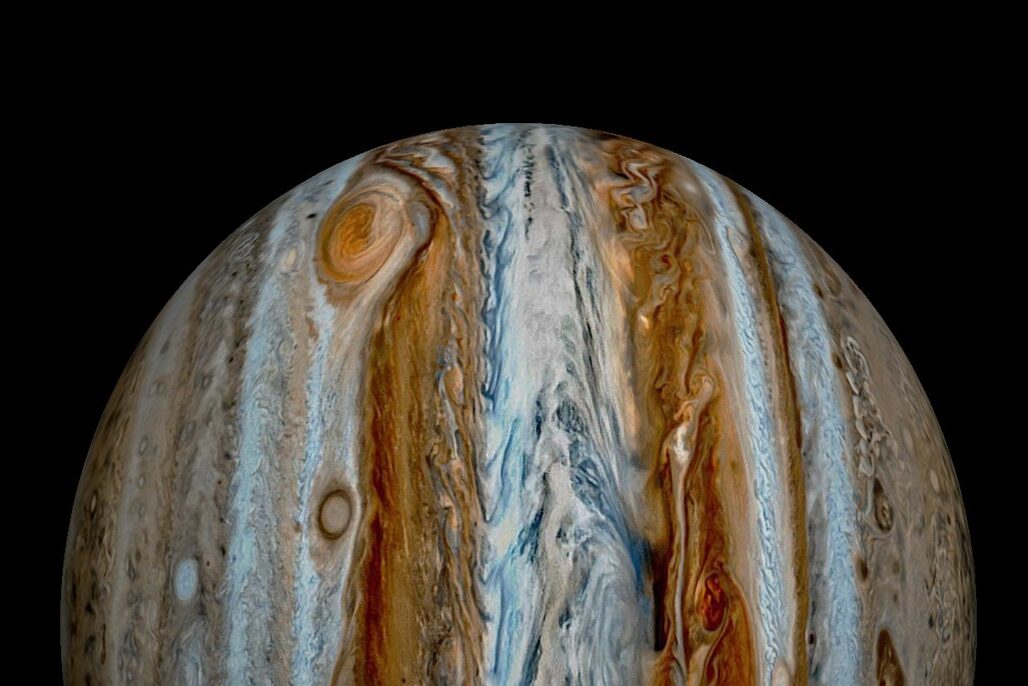
An amateur astronomer from Japan captured a comet crashing into Jupiter, causing a bright explosion on impact. The collision, classified as a bolide, did not leave any visible scars on Jupiter's surface due to its immense size. Similar incidents have occurred in the past, including the Shoemaker-Levy 9 comet in 1994, which left dark scars in Jupiter's atmosphere. Bolides also occasionally enter Earth's atmosphere, but they usually burn out quickly and crash into the ocean. The incident serves as a reminder of the importance of monitoring the skies for potential impacts on Earth.
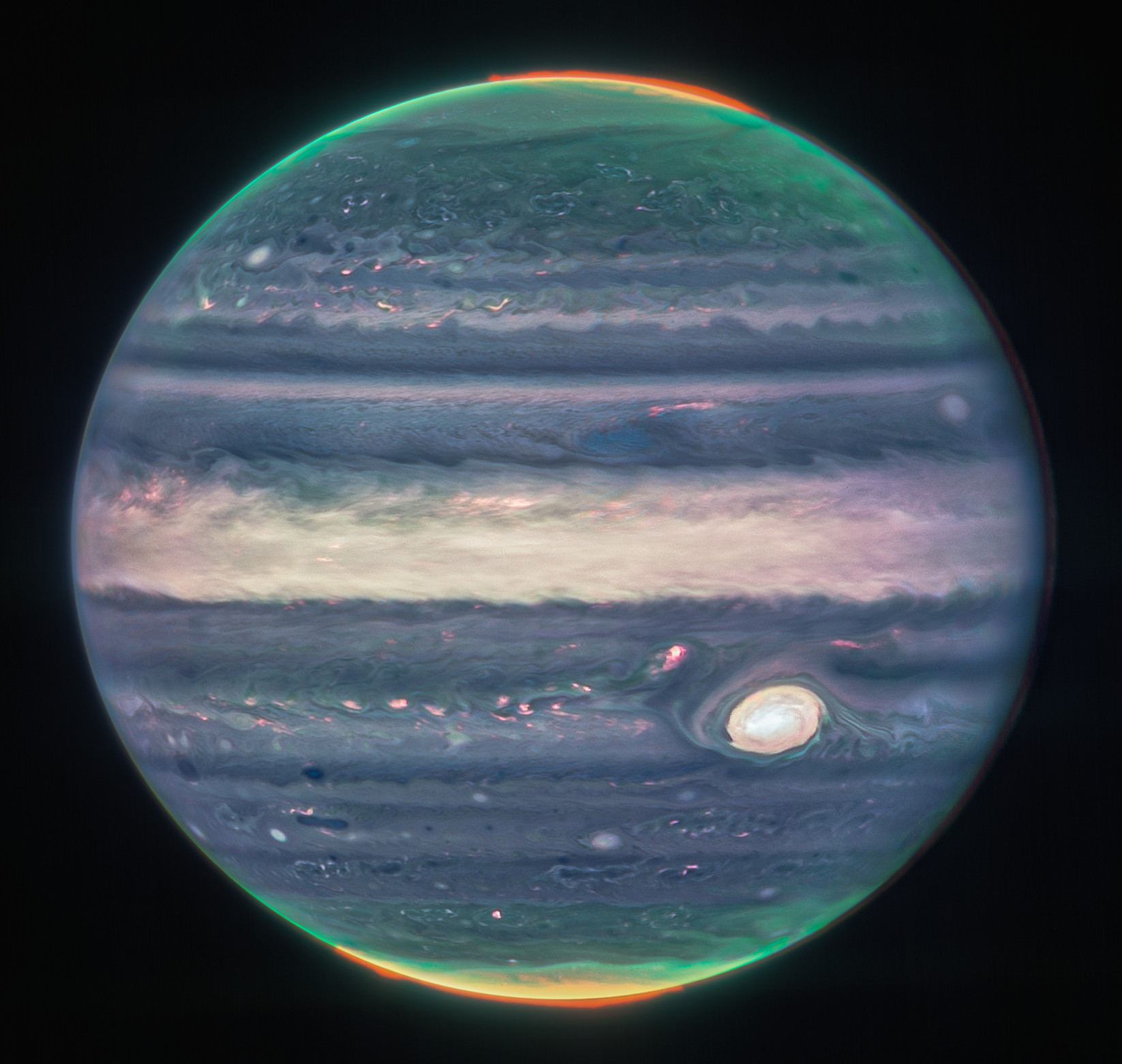
An amateur astronomer in Japan captured video of a comet crashing into Jupiter, showing a bright flash against the gas giant. While this particular crash wasn't spectacular, Jupiter has seen similar crashes in the past due to its powerful gravitational pull. The crash likely didn't cause any damage to Jupiter. Earth also experiences these fireball crashes, but they usually explode and disintegrate before reaching the atmosphere. NASA has programs like DART in place to protect Earth from larger celestial objects.
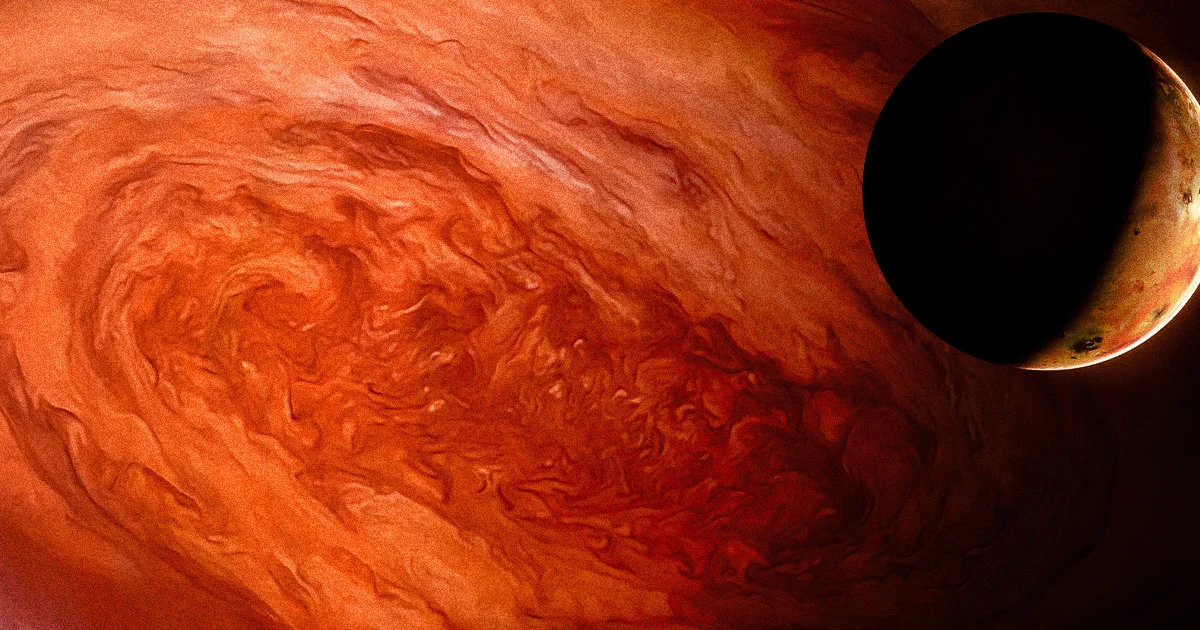
An amateur astronomer in Japan captured a video of a bright comet, or bolide, colliding with Jupiter and exploding. While this impact did not cause visible damage to Jupiter's atmosphere, previous collisions have left dark scars and superheated plumes. The event serves as a reminder of the importance of monitoring potential impacts on Earth and the progress made in asteroid defense systems.
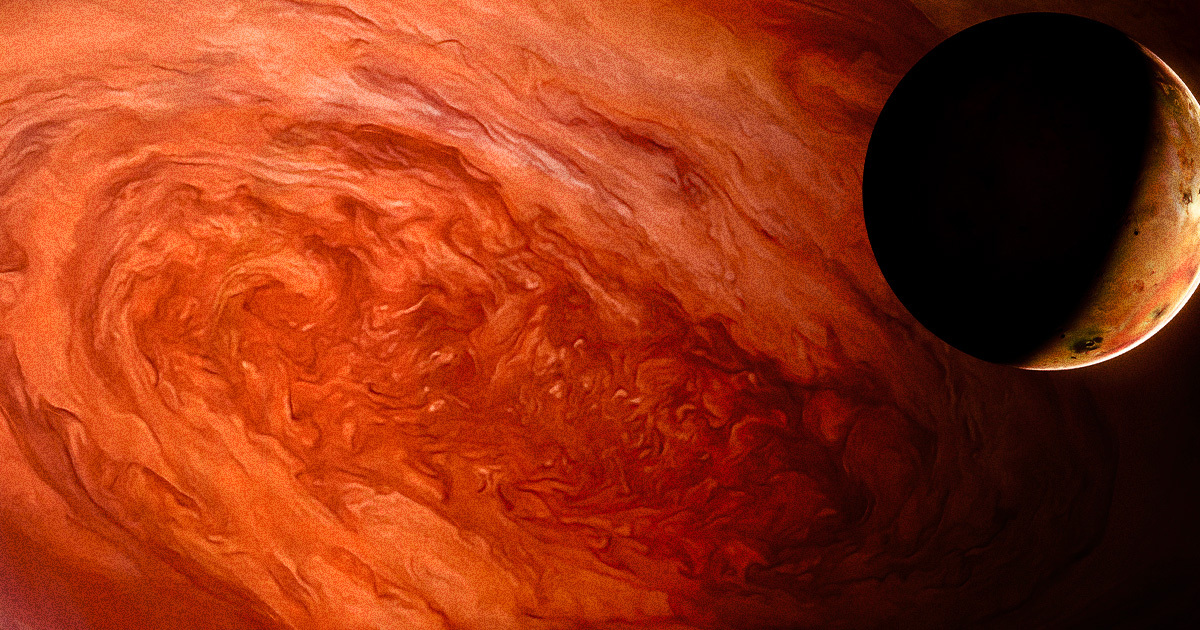
An amateur astronomer in Japan captured a video of a bright comet, or bolide, colliding with Jupiter and exploding. While this impact did not cause visible damage to Jupiter's atmosphere, previous collisions have left dark scars and superheated plumes. The event serves as a reminder of the importance of monitoring potential impacts on Earth and the progress made in asteroid defense systems.
An amateur astronomer in Japan captured a video of a bright comet, or bolide, colliding with Jupiter and exploding. While this impact did not cause visible damage to Jupiter's atmosphere, previous collisions have left scars and plumes on the gas giant. Bolides, or fireballs, are not unique to Jupiter and occasionally enter Earth's atmosphere. The 1994 impact of the comet Shoemaker-Levy 9 on Jupiter served as a turning point in understanding the importance of monitoring potential impacts on Earth. While bolides have not posed a significant threat to Earth, they serve as a reminder of the unpredictable nature of the cosmos.
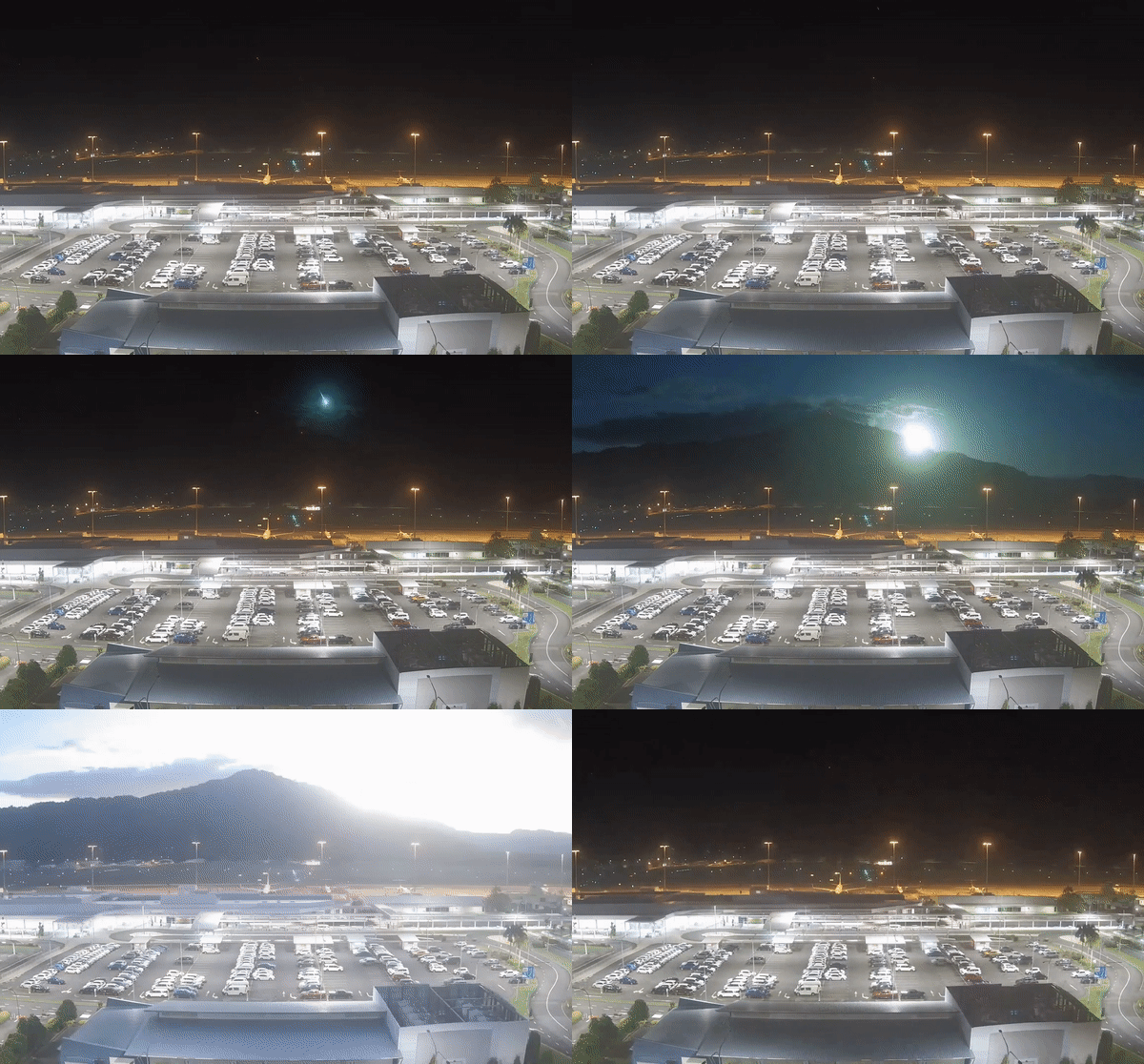
A rare green meteor, known as a bolide, exploded over Australia, creating a bright flash of light and a loud bang that could be seen and heard for hundreds of miles. The meteor was likely small, between 1.6 and 3.2 feet across, and could have been traveling up to 93,000 mph. Bolides are meteors that blow up in Earth's atmosphere due to a buildup of friction that eventually causes the space rocks to instantaneously shatter with enough force to trigger a sonic boom. The unusual green flash of the meteor was caused by a high concentration of metals such as iron and nickel in the meteor.
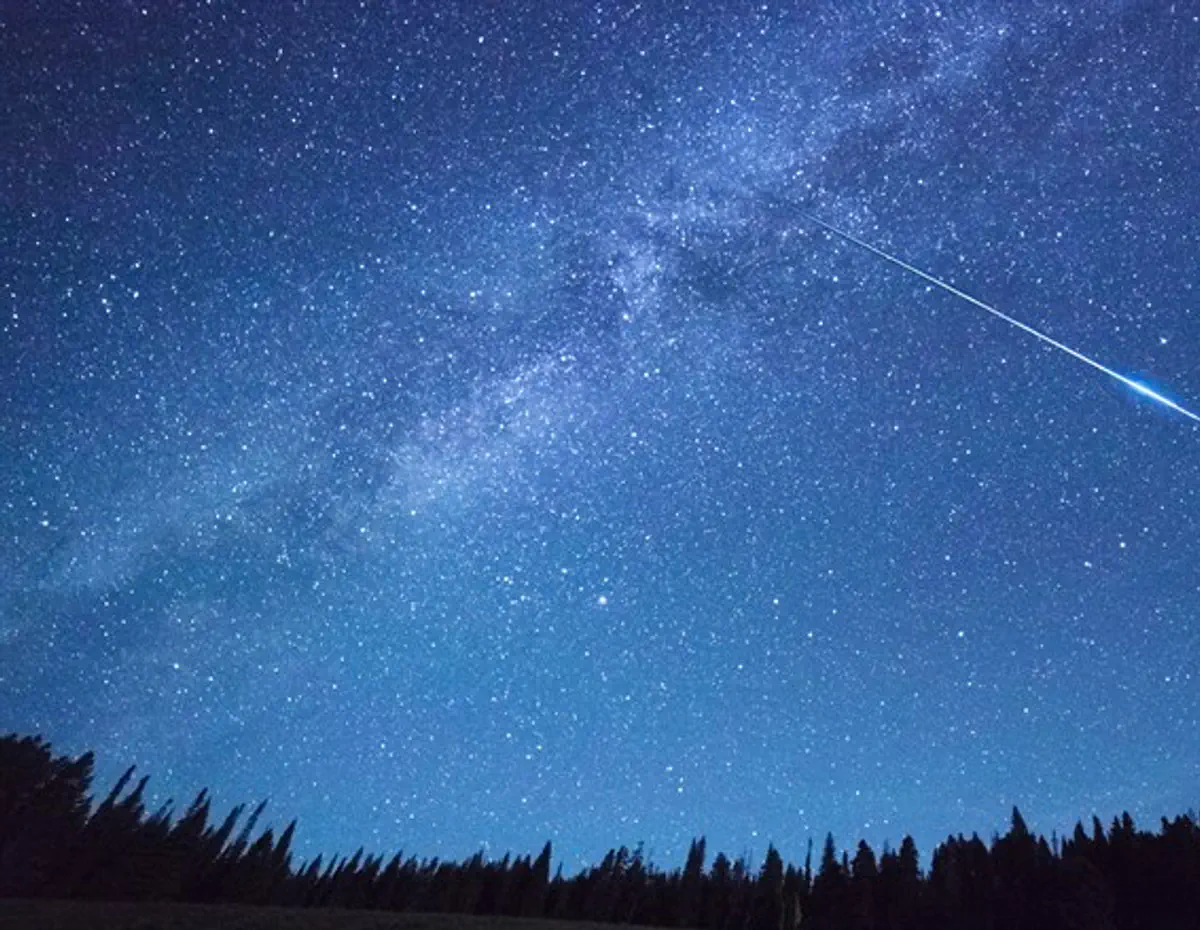
A bright bolide meteor was sighted over Israel, crossing the sky at a fast speed before exploding and causing a supersonic boom. The Israeli Astronomical Association received reports of the explosion and many locals mistook it for a missile or Iron Dome interception.
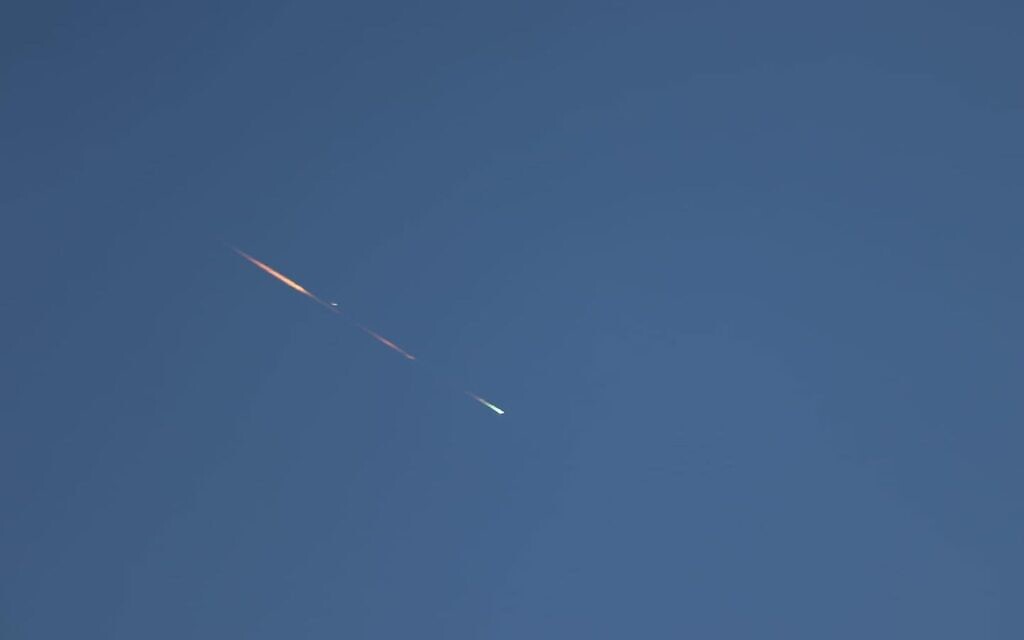
An unusually bright meteor, known as a bolide, was visible over central and northern Israel on Saturday afternoon, with some residents reporting hearing a loud explosion afterward. The Israeli Astronomical Association received reports of the meteor being visible for several seconds and traveling northeast. It is unclear if any pieces of the meteor survived its fiery descent through the atmosphere.
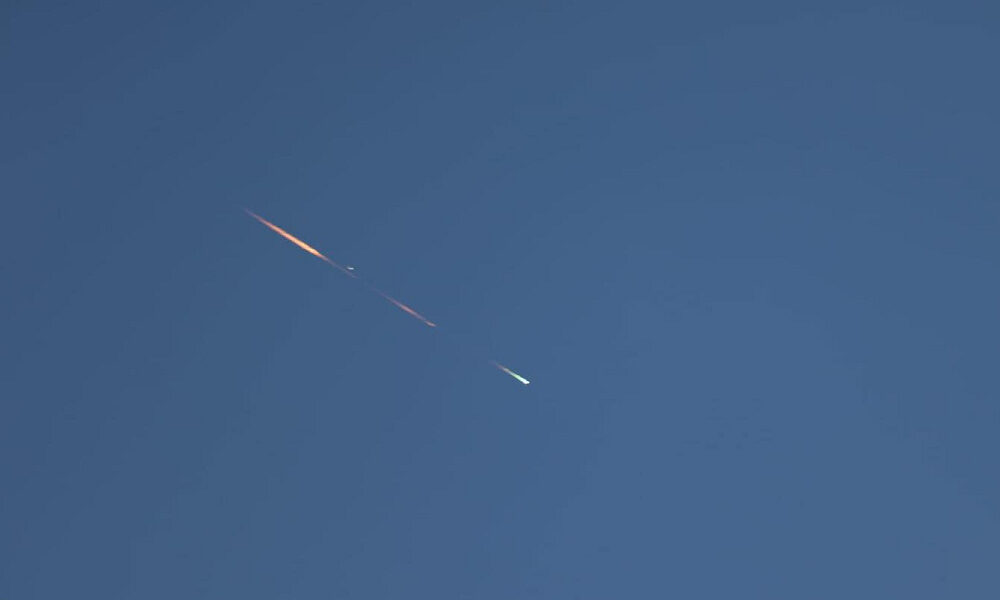
A bolide, an exceptionally bright meteor, streaked across the sky in parts of Israel and the West Bank on Saturday, causing a loud boom which was heard across the region. The Israeli Astronomical Association received reports of the meteor from central and northern Israel, and some people also reported hearing an air burst. There were no reports of impacts, damage or injuries in connection with the event, which was mistaken for a missile or Iron Dome intercept by some people.
Dozens of eyewitnesses across Washington County, New Brunswick, Canada, and Matinicus Isle reported seeing objects falling from the sky midday on April 8. Witnesses described the objects as bright and falling quickly, with some reporting a loud boom. UMaine Versant Power Astronomy Center Director Shawn Laatsch believes the objects were likely a type of meteor called a bolide, which can be visible during the daytime and leave a trail. The Maine Mineral and Gem Museum in Bethel has one of the largest meteorite collections in North America and can verify any potential meteorite findings.