

Tag

Body Focused Repetitive Behaviors

All articles tagged with #body focused repetitive behaviors

health2 years ago

"Breaking Free: Overcoming Compulsive Hair Pulling"

Trichotillomania, a condition characterized by compulsive hair pulling, affects as much as 4 percent of the U.S. population, with a higher prevalence among women. Hair pulling falls under the umbrella of body-focused repetitive behaviors (BFRBs), which are not forms of self-injury but rather serve as soothing or regulating behaviors. Trichotillomania can have serious physical and emotional consequences, including digestive tract blockages and correlated mental health issues. Cognitive behavioral therapy (CBT) is the primary treatment, but recent research suggests potential benefits from habit replacement techniques and medications like memantine. While multifaceted interventions are often necessary, self-help strategies and support from organizations like the TLC Foundation for BFRBs can also be valuable in managing trichotillomania and reducing shame.

health2 years ago

"Groundbreaking Discovery Offers Hope for Breaking Repetitive Habits"

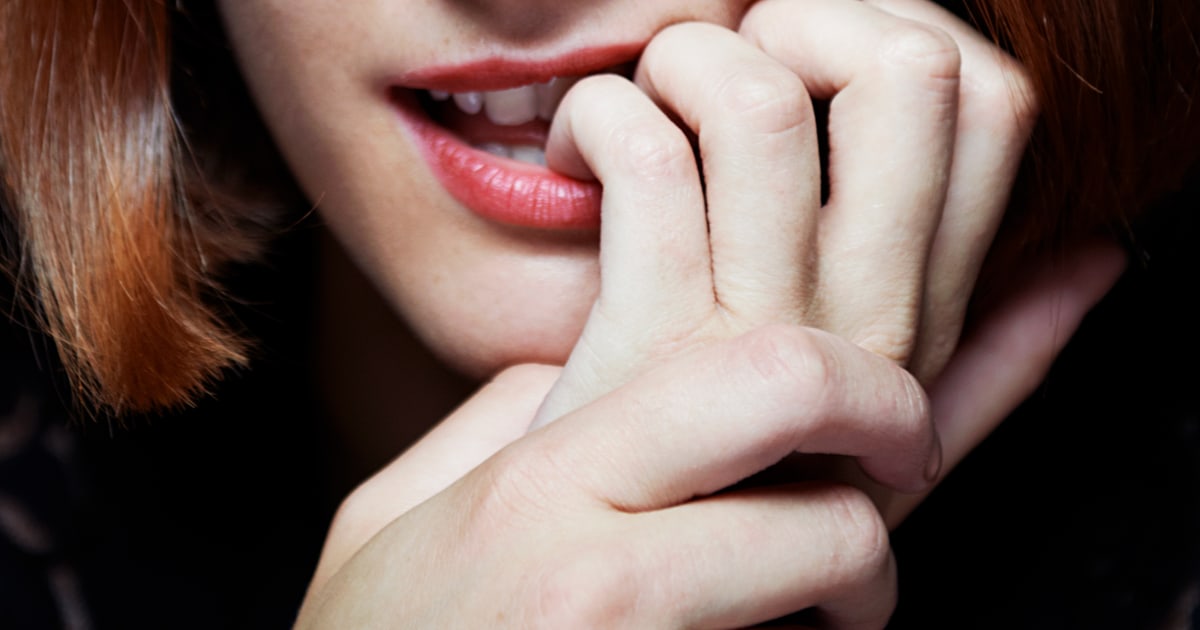
A new study published in JAMA Dermatology has shown that a habit replacement strategy involving gentle skin-touching can help ease body-focused repetitive behaviors such as nail-biting, hair-plucking, and skin-picking. The six-week study found that 53% of participants benefited from the technique. The approach aims to provide an alternative technique for individuals who do not respond to traditional methods like decoupling or habit reversal therapy. While more research is needed, the self-help intervention was well-received by participants, with 80% reporting satisfaction and 86% recommending it to others.

health2 years ago

"Nail-biting remedy: Gentle touch found to curb the habit, reveals new study"

A new study published in JAMA Dermatology suggests that a simple technique called habit replacement may help reduce body-focused repetitive behaviors such as nail-biting, skin picking, and hair pulling. The technique involves gently rubbing the fingertips, palm, or back of the arm at least twice a day. In the study, about 53% of participants reported some improvement compared to 20% in the control group. While further research is needed, experts find the results encouraging and believe that habit replacement techniques could be a helpful self-help approach for those waiting for treatment or in combination with other therapies.