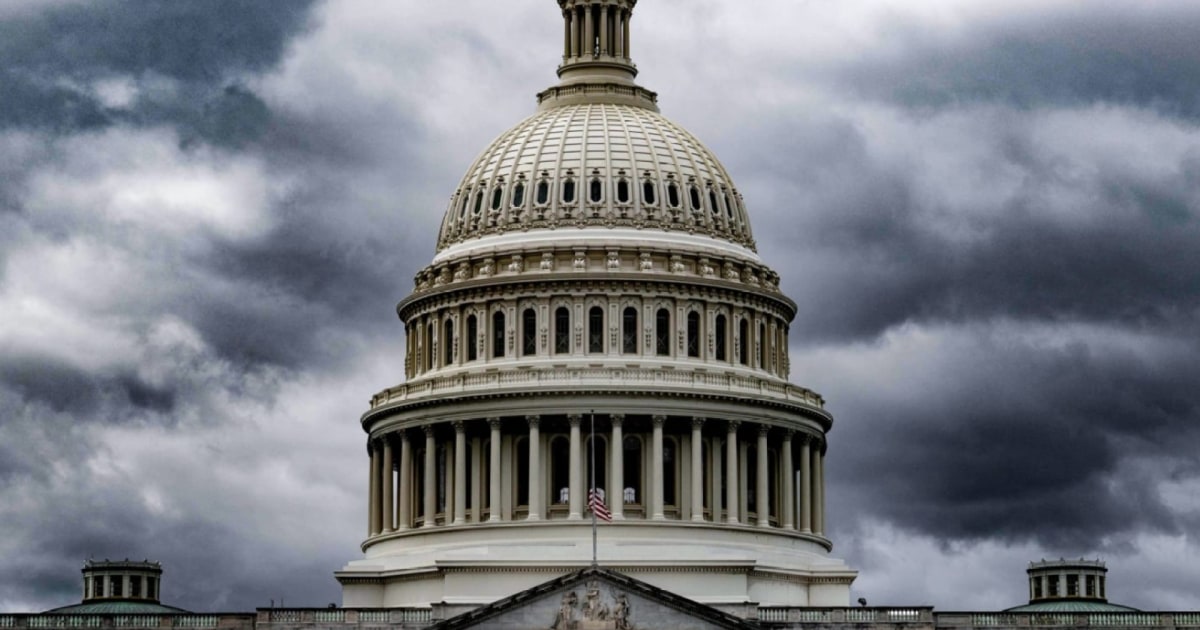
Senate Border Bill Faces Bipartisan Hurdles Amid Accusations and Internal Divisions
A border bill is facing bipartisan opposition ahead of a crucial Senate vote scheduled for tomorrow.

All articles tagged with #bipartisan opposition
A border bill is facing bipartisan opposition ahead of a crucial Senate vote scheduled for tomorrow.

House Republicans are pushing to rename Washington DC's international airport after former president Donald Trump, introducing a bill to change the airport's name to "Donald J Trump International Airport." The bill has bipartisan opposition, with Democratic lawmakers criticizing the idea and highlighting Trump's controversial policies. The airport, currently named after John Foster Dulles, handles a significant portion of international traffic into the Washington-Baltimore area and is a major hub for United Airlines and its Star Alliance partners.
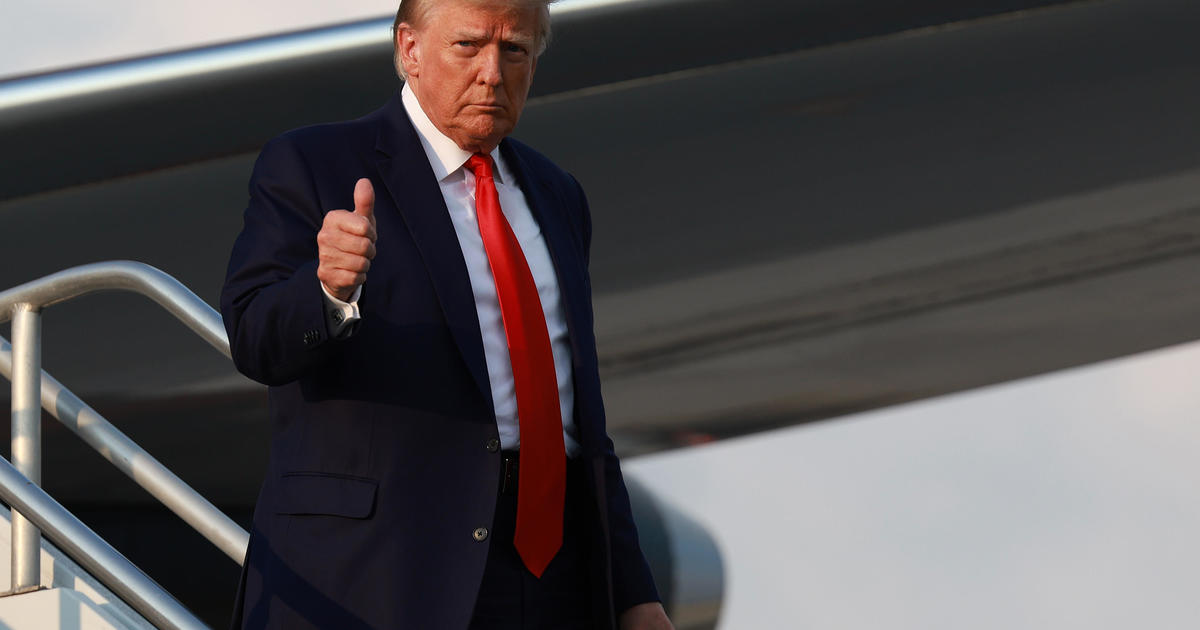
A group of House Republicans, led by Rep. Guy Reschenthaler, has introduced a bill to rename Washington Dulles International Airport to "Donald J. Trump International Airport," citing Trump's leadership. The effort faces bipartisan opposition and is unlikely to gain traction in Congress, given the Democrat-controlled Senate and divisions within the GOP. Critics, including Virginia Democrats Rep. Gerry Connolly and Rep. Jennifer Wexton, have dismissed the move as unserious and delusional, urging a focus on pressing national issues instead.
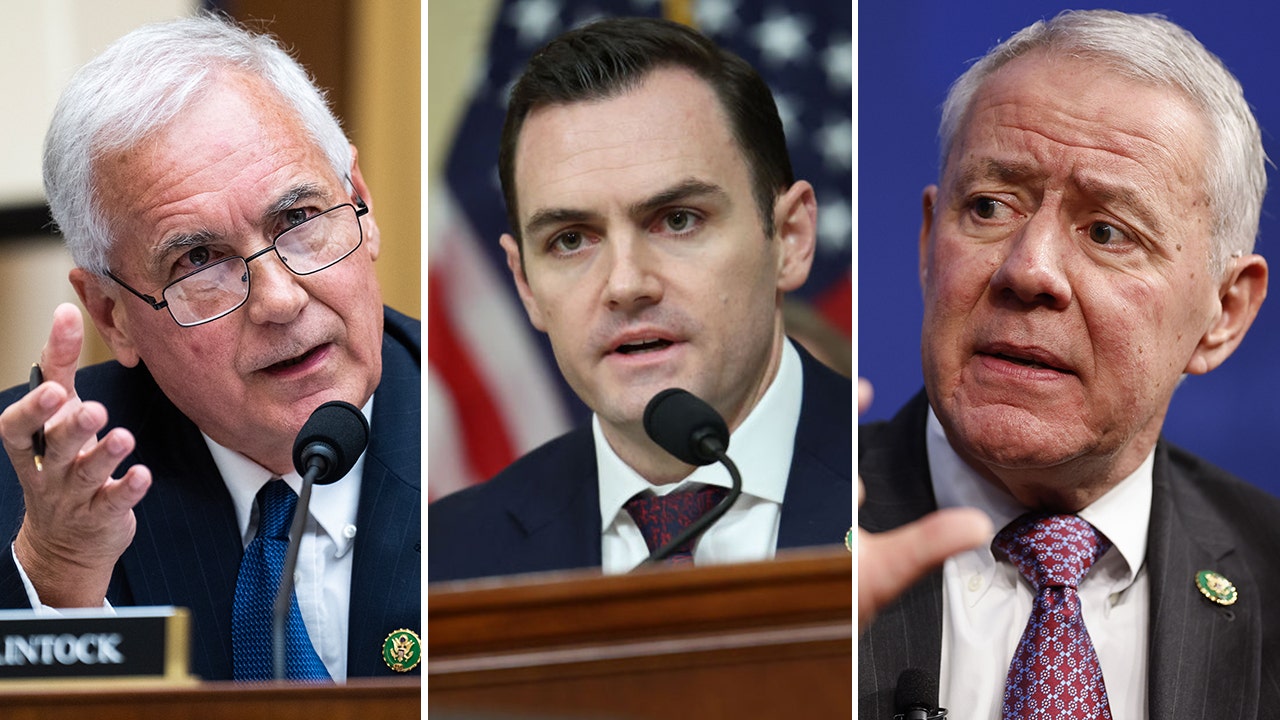
House Republicans' attempt to impeach Homeland Security Secretary Alejandro Mayorkas over his handling of the southern border crisis failed in a 214-216 vote, with three GOP lawmakers breaking ranks and voting against the measure. Reps. Tom McClintock, Ken Buck, and Mike Gallagher opposed the impeachment, citing concerns about setting a dangerous precedent and the constitutional threshold for impeachment. The defeat marks a significant blow for House Republicans, who had pushed for Mayorkas' impeachment for over a year, while Democrats and the Department of Homeland Security dismissed the effort as politically motivated and lacking constitutional basis.

Bipartisan opposition is growing to the proposed $14.1 billion acquisition of US Steel by Japan's Nippon Steel, with Republican senators and Democratic lawmakers expressing concerns about national security and the future of the American steel industry. However, experts believe it is unlikely that the Committee on Foreign Investment in the United States (CFIUS) will block the deal, as it has never done so for a Japanese buyer. Despite the political pressure, the final decision rests with President Biden, who is unlikely to reject the deal due to the potential impact on US-Japan relations. US Steel officials remain confident that the deal will receive regulatory approval.
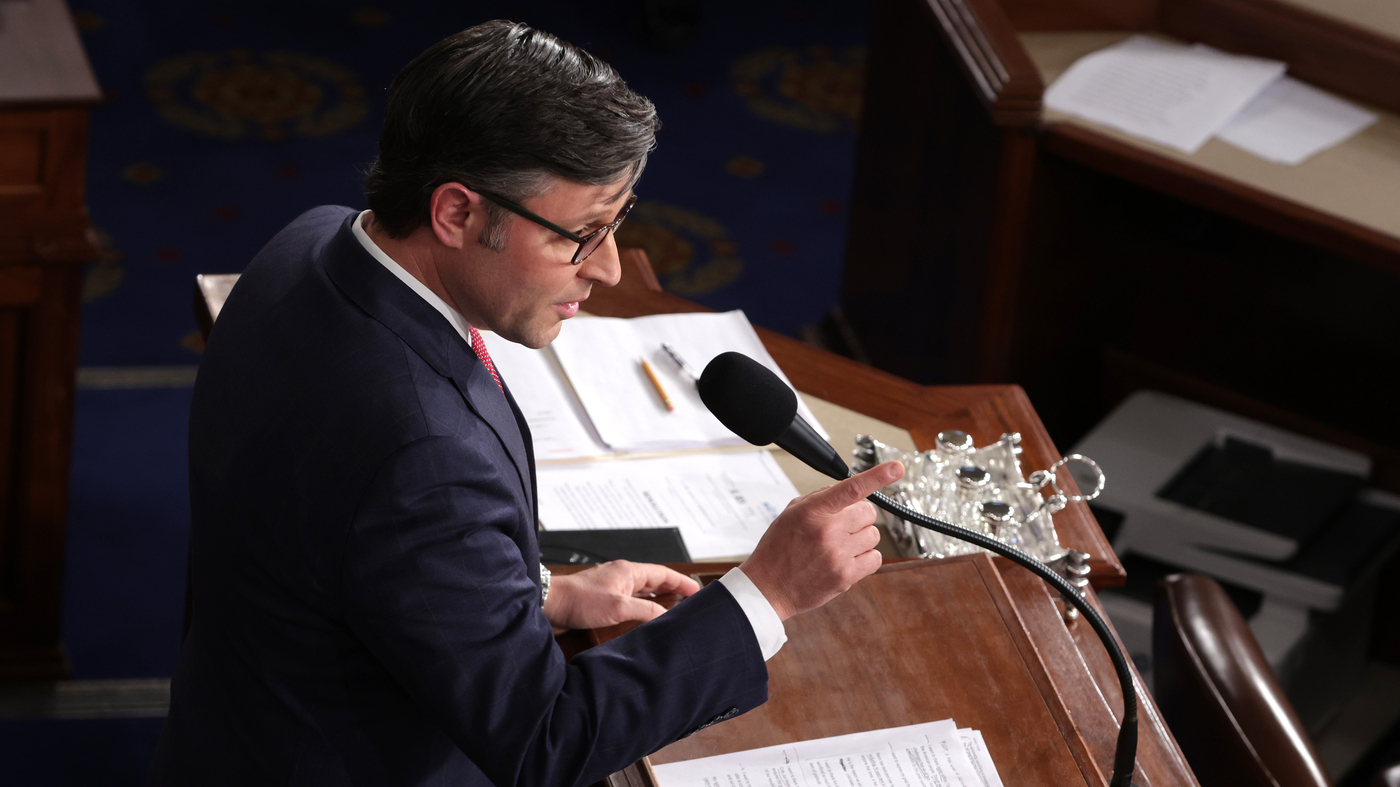
House Republicans have introduced a bill that would provide $14.3 billion in aid to Israel while cutting the same amount from the Internal Revenue Service (IRS). The bill has faced opposition from Senate Democrats and the White House, who argue that emergency funding for Israel should not be offset with cuts and that the funding for Ukraine should not be separated from Israel. House Republicans, led by Speaker Mike Johnson, argue that aid to Israel should be prioritized and that the IRS funds can be used to address immediate national security needs. The bill has also drawn bipartisan opposition due to concerns about setting a precedent of tying emergency funding with spending cuts.