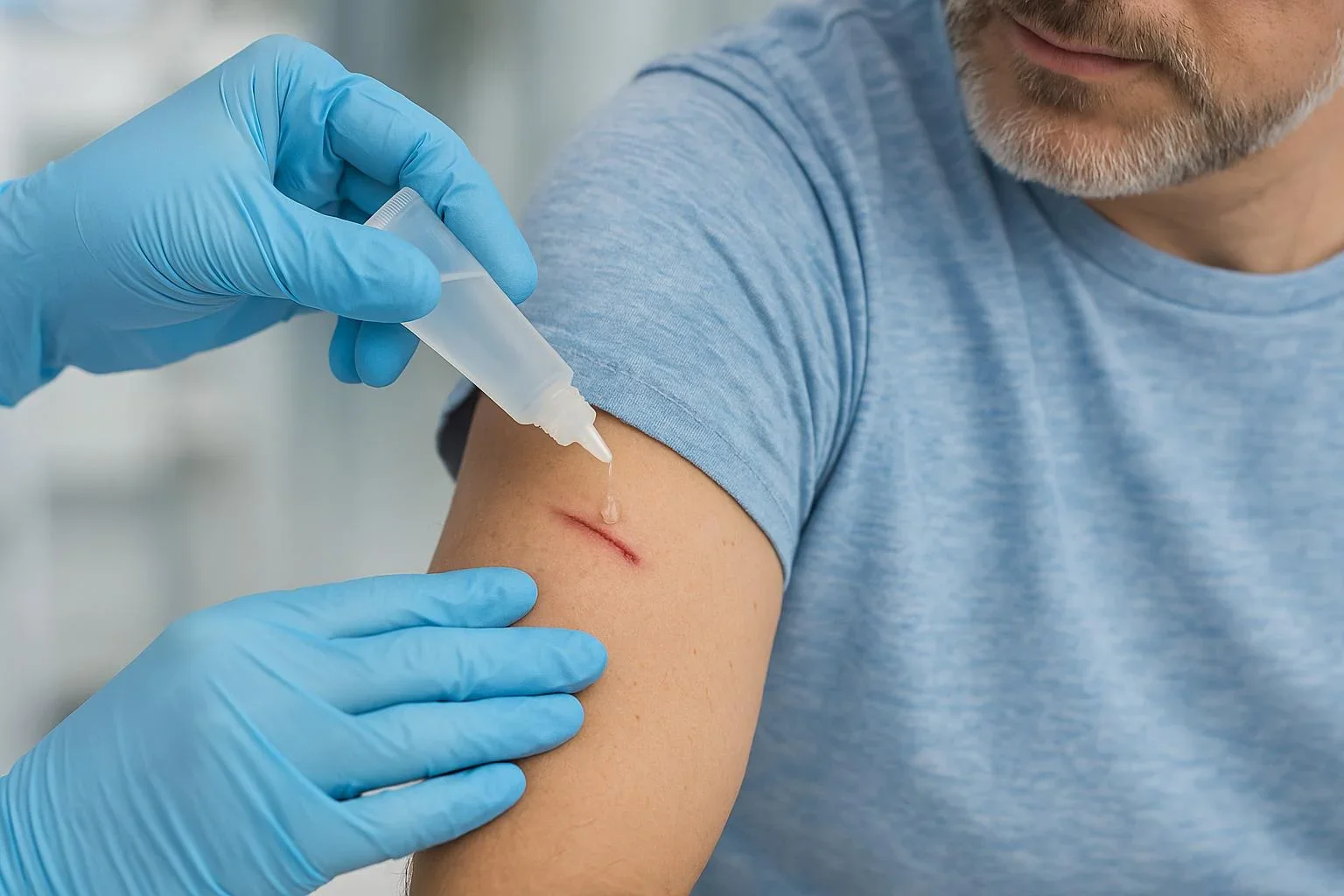
Scientists have developed new bio-inspired medical adhesives, inspired by barnacles and spiders, that can quickly seal wounds, stop bleeding in seconds, and are flexible and removable, potentially transforming surgery and emergency trauma care.
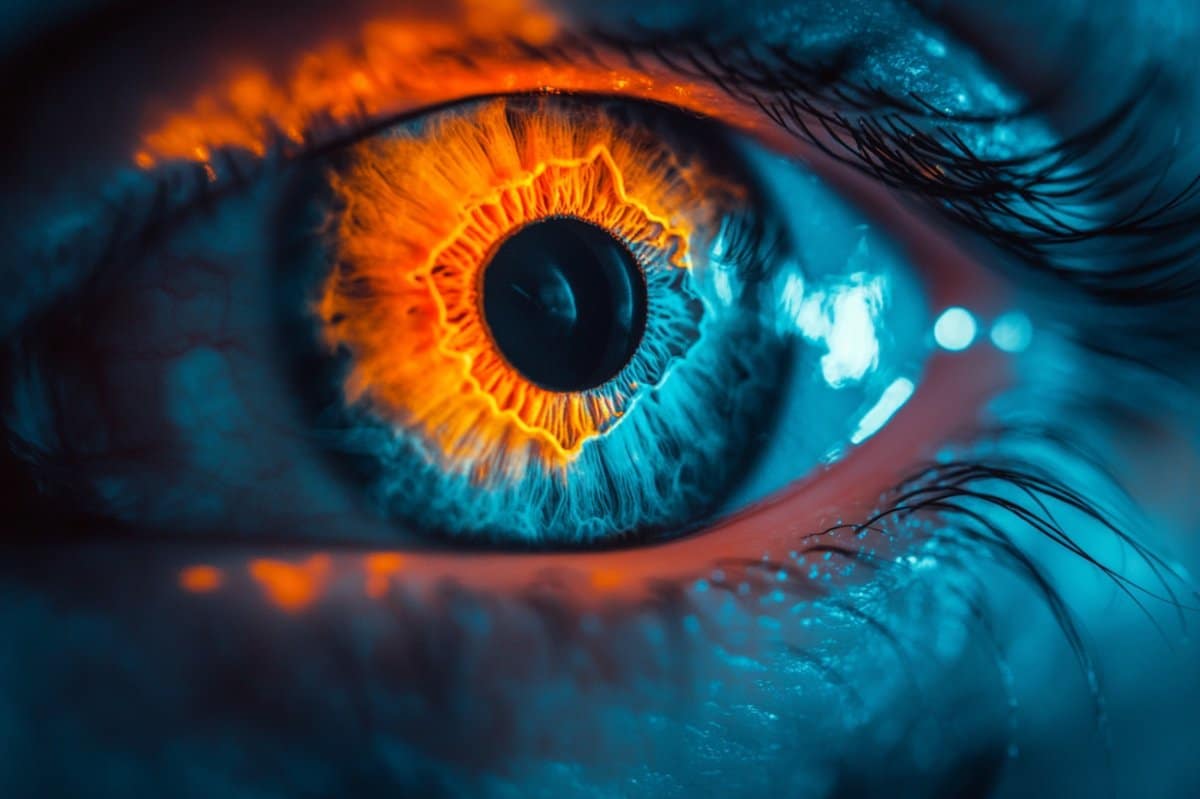
Researchers developed a tellurium nanowire-based retinal prosthesis that restores partial vision in blind mice and enables near-infrared detection in primates, marking a significant advancement in artificial vision technology with potential applications for humans.
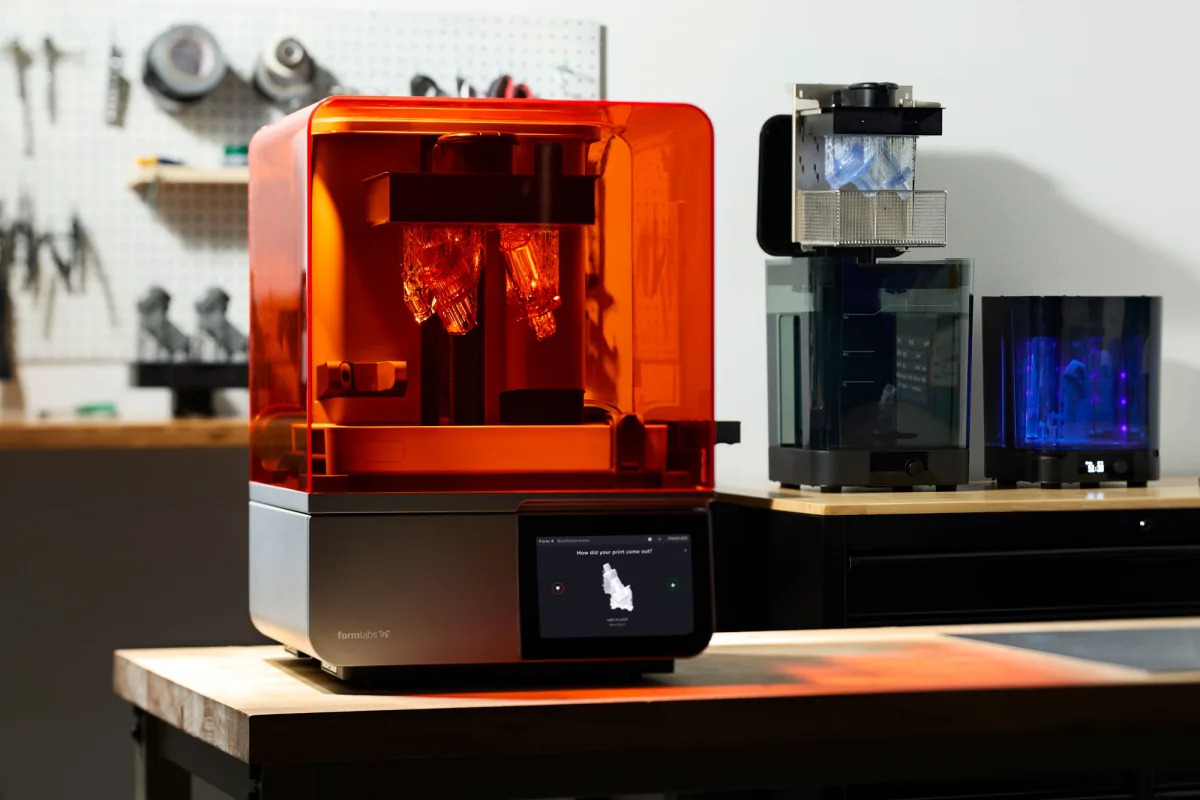
Formlabs has unveiled its Form 4 and Form 4B 3D printers, boasting up to five times faster print speeds and reduced costs. The Form 4B is designed for medical applications, such as custom-designed dentures and prostheses. The printers feature new hardware and resins for quicker prototyping and improved efficiency, with prints estimated to be 40% cheaper. Priced at $4,499 and $6,299, the new models signal a shift towards real manufacturing platforms.
MIT engineers have developed a soft, conductive polymer hydrogel that could replace metal in implantable electrodes for medical devices such as pacemakers and deep-brain stimulators. The material, which can be made into printable ink, has shown promise in preliminary animal tests for maintaining stability and effectively transmitting electrical pulses, with less inflammation and scarring compared to traditional metal electrodes. The researchers used a new recipe to mix conductive polymers with hydrogels in a way that enhanced both the electrical and mechanical properties of the respective ingredients, resulting in a 3D-printable, Jell-O-like electrode that can potentially replace metal to stimulate nerves and interface with the heart, brain, and other organs in the body.