During the pandemic, seven Americans moved from big cities to suburban or rural areas citing reasons like lower cost of living, more space, safety, and family support, though they also faced challenges such as longer commutes and cultural differences. Their stories highlight a broader trend of urban-to-suburban migration driven by pandemic-related concerns and lifestyle changes.
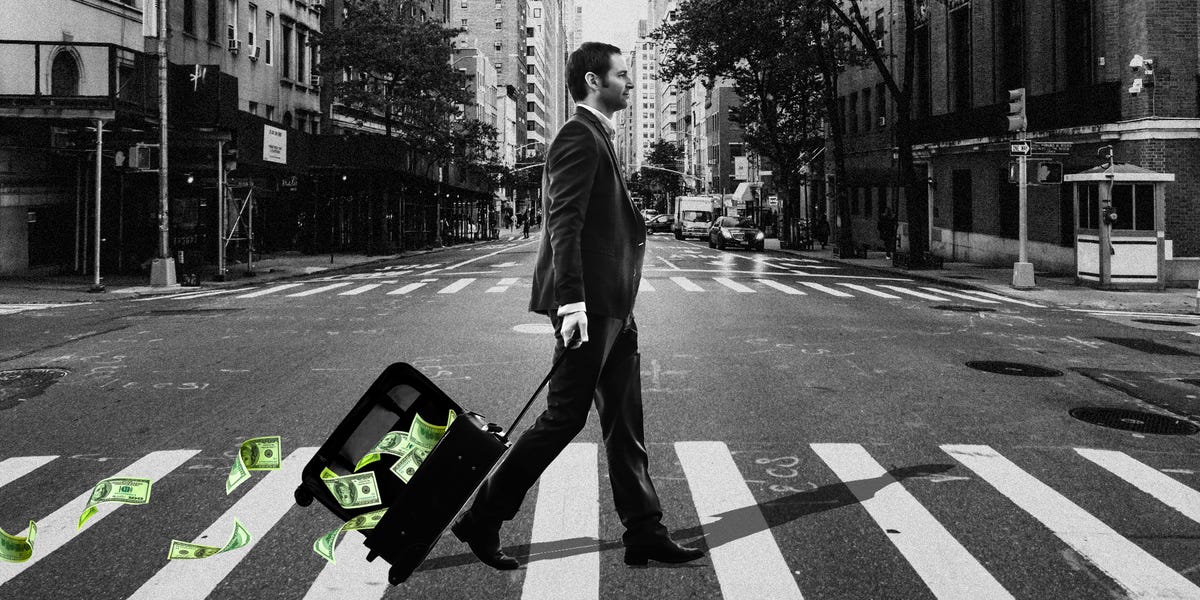
The mass migration away from big cities during the pandemic has led to a continued exodus from major metropolitan areas, with potential negative impacts on career prospects. Research by economist Enrico Moretti suggests that leaving a major city can be detrimental to one's career, as larger markets offer better job opportunities and professional networking. The decline in remote job opportunities has left those who moved to smaller cities at risk of unemployment or settling for overqualified local roles. As the outward migration slows, it is predicted that new individuals seeking career opportunities will flood back into urban areas, leading to a resurgence of big city agglomeration.
A photographer's location can significantly impact their career, as it can determine the type of clients and jobs they have access to. While big media centers like New York and London still attract a lot of work, there is a growing trend towards hiring local photographers, crew, and talent due to tighter budgets, environmental concerns, and the ease of finding photographers online. The COVID-19 pandemic has further accelerated this trend, with remote work becoming more accepted and shoots being conducted remotely. However, the choice of location depends on various factors, including client preferences, specialization, and the photographer's ability to meet specific needs.
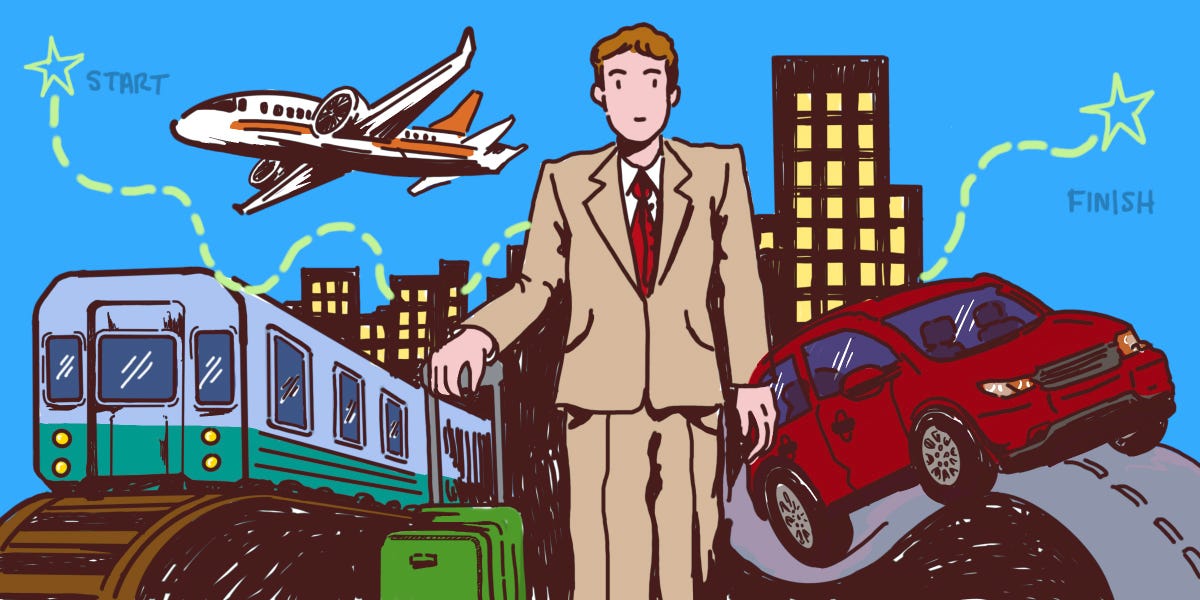
The flexibility of hybrid work has led to a rise in super commuting, where professionals are willing to travel long distances to the office on a regular basis. This trend has been accelerated by the pandemic, as more employees have the option to work remotely or have a hybrid schedule. Super commuters are reshaping the geography of American work, with big cities that accommodate their needs at the office and quieter locales that cater to their lifestyles at home emerging as winners. The tech industry, in particular, is friendly to super commuters, who value the opportunity to choose where they live and build relationships with coworkers. While some super commuters opt for idyllic settings, others prefer to remain in the bustling centers of major cities. Transportation access is a key factor in determining which cities are best suited for hosting high-powered hybrid workers.
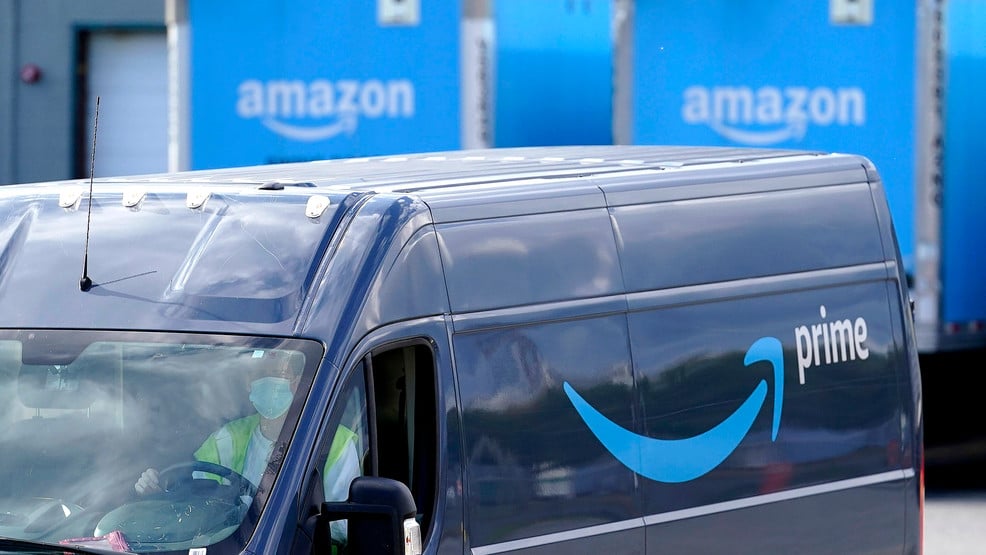
Amazon is seeking small businesses to help with deliveries in both rural and urban areas. The company is offering training, technology, and discounts on vehicles and insurance to those who qualify. This move is part of Amazon's effort to expand its delivery network and improve its last-mile delivery capabilities.
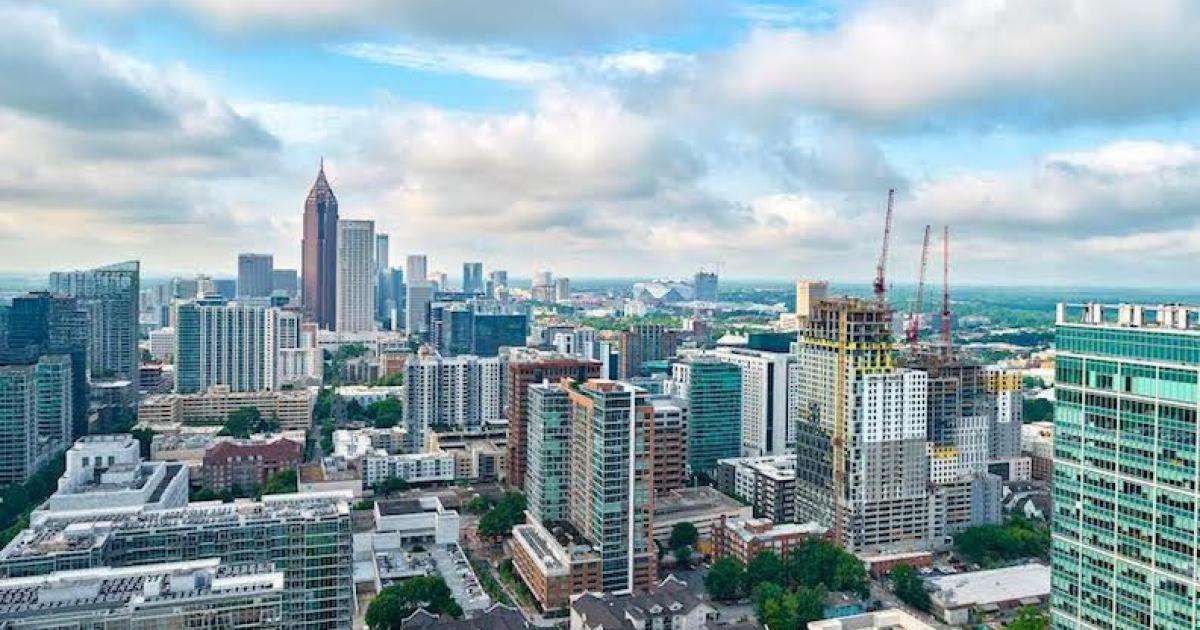
WalletHub's annual analysis of the "Most Affordable Cities for Home Buyers" ranks Atlanta as the 15th most affordable among big U.S. cities, with a population of over 300,000. The study compared 300 U.S. cities across 10 key metrics, including the cost of homes, tax rates, and median home-price appreciation. The country's median home sales price has ballooned from $313,000 in early 2019 to nearly $437,000 in the first quarter of 2023, with interest rates climbing from a historic low of 2.65 percent in early 2021 to 6.39 percent this month for average, 30-year fixed mortgages.