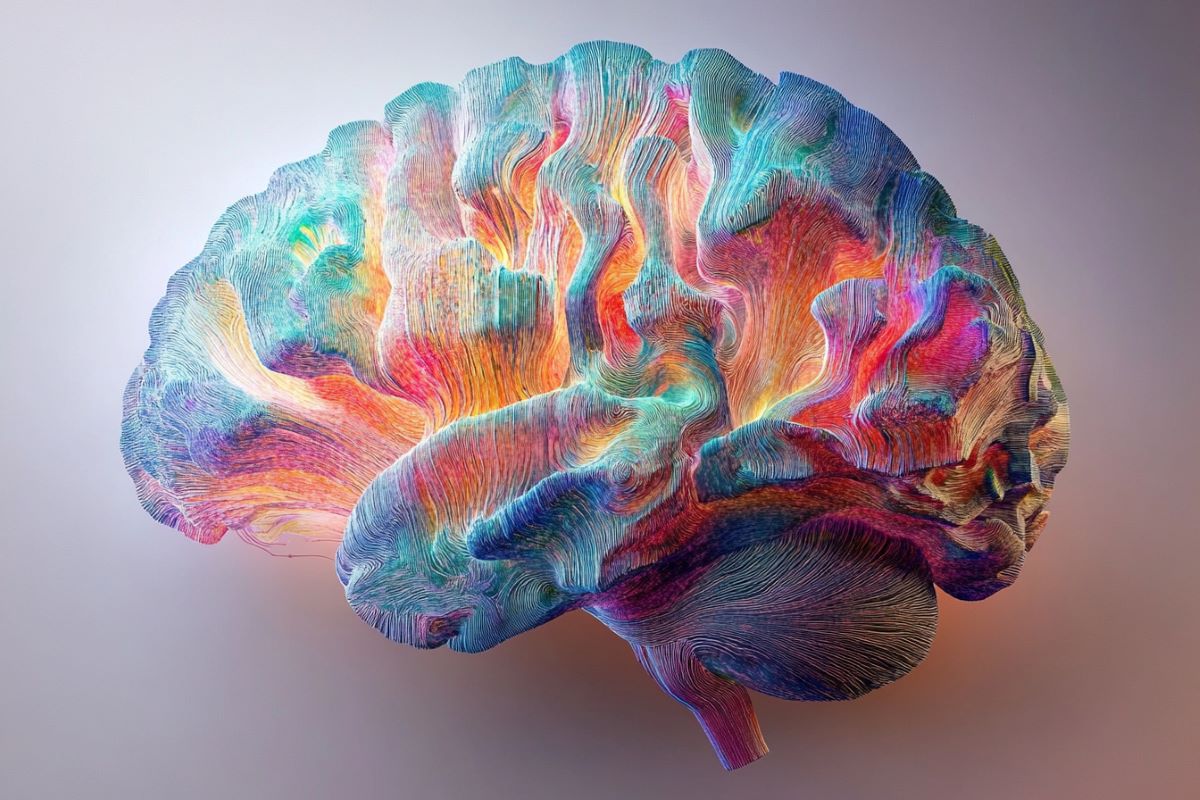
Researchers at the University of Birmingham have developed a novel brain mapping method that captures complex interactions between multiple brain regions, surpassing traditional pair-based models. This approach, validated with data from 100 subjects, can identify tasks, create unique brain "fingerprints," and link brain activity to individual behaviors. The method holds potential for advancing neuroscience research, particularly in understanding and detecting neurodegenerative diseases like Alzheimer's.

A new analysis suggests that sticking to new health routines, such as diets and exercise regimens, is possible by following four science-backed tips. These include starting with quick home workouts to build habits faster, using enjoyable cues like music to encourage gym visits, being flexible with routines to make them last longer, and not giving up hope if habits don't stick immediately. The research emphasizes the importance of patience and repetition in developing sustainable healthy habits.
Research suggests that focusing on short-term consequences, rather than long-term outcomes, can be more effective in resisting temptations like unhealthy eating. Studies show that people are less likely to choose unhealthy options when they consider immediate drawbacks, such as feeling bloated or having a sugar crash. Additionally, emphasizing the enjoyment of healthy choices and using small, regular rewards after a period of effort can increase persistence in maintaining healthy behaviors. These strategies can be adapted to various personal goals to improve self-control and motivation.
Jana Monroe, a former FBI agent and real-life inspiration for Clarice Starling in "The Silence of the Lambs," recounted her chilling interaction with serial killer Edmund Kemper, who unnervingly contacted her despite being in prison. Monroe, who has worked on over 850 homicide cases, shared insights into the minds of notorious killers like Ted Bundy and Jeffrey Dahmer in her memoir "Hearts of Darkness." She also discussed the enigma of women who fall in love with serial killers, a phenomenon she believes warrants further study. Monroe's experiences highlight the complexity and often unexpected social adeptness of serial killers, challenging common misconceptions about their appearance and behavior.