A parasitic plant called Balanophora has lost its photosynthesis ability and relies on tree roots for nutrients, evolving a highly reduced plastid genome and exhibiting convergent evolution with mushrooms, highlighting remarkable adaptations in plant evolution.
Scientists have studied Balanophora, a rare, parasitic plant lacking chlorophyll and photosynthesis, revealing its unique evolutionary history, internal adaptations, and reproductive strategies, highlighting its vulnerability and importance for conservation.
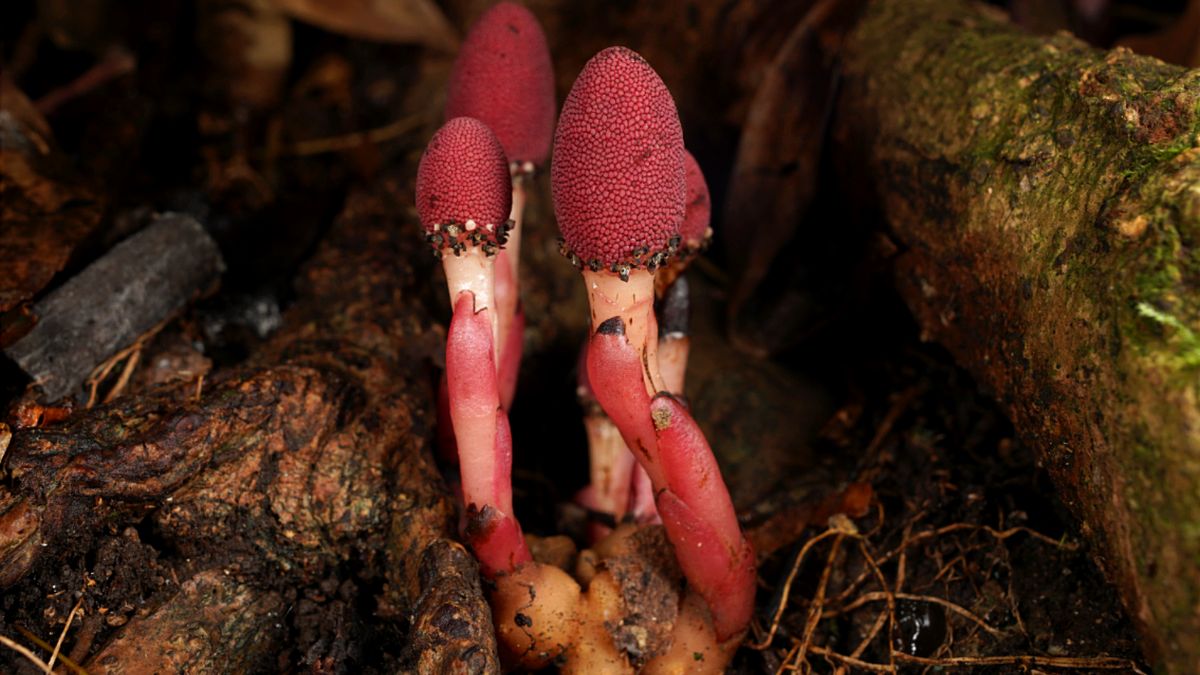
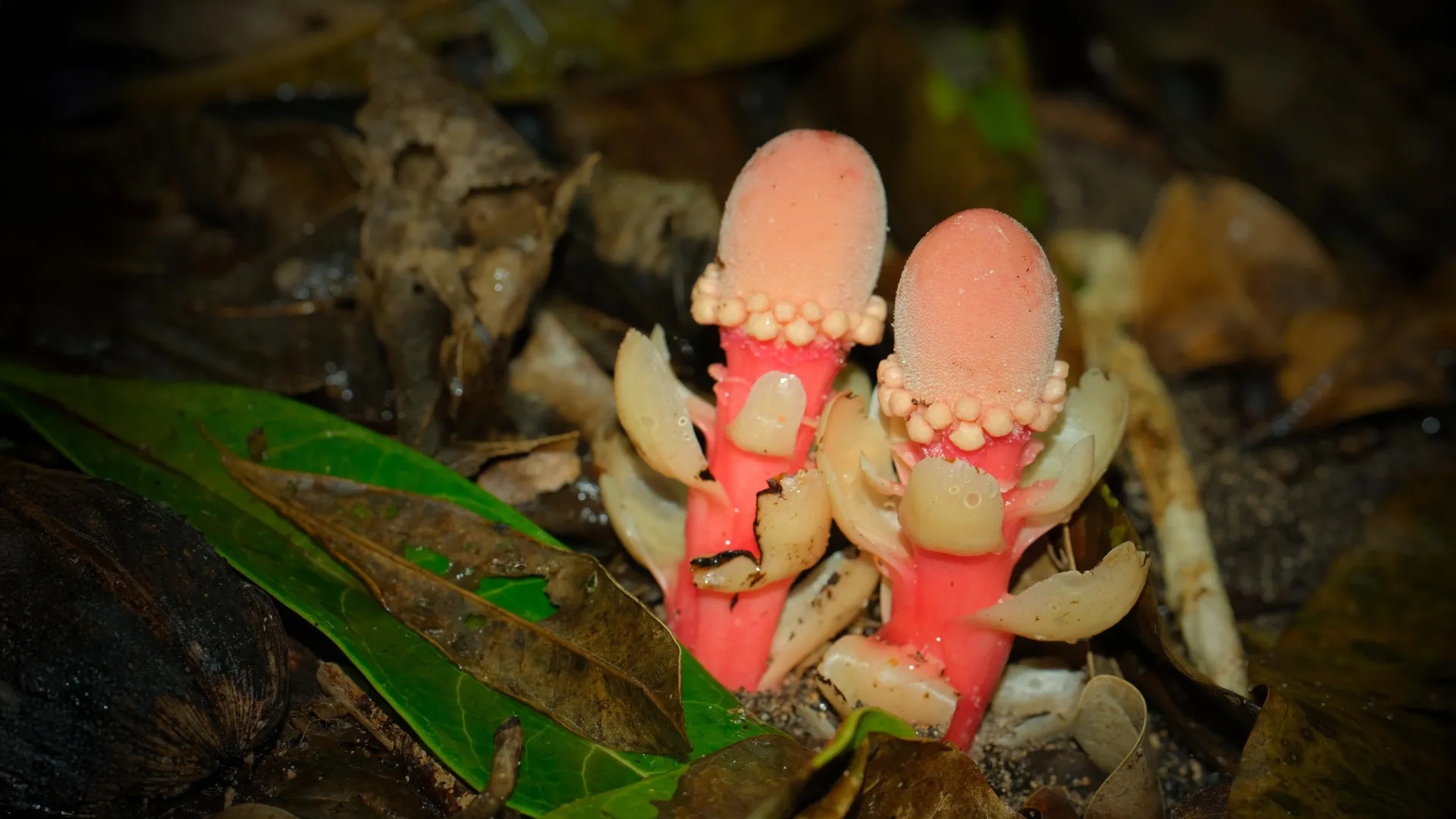
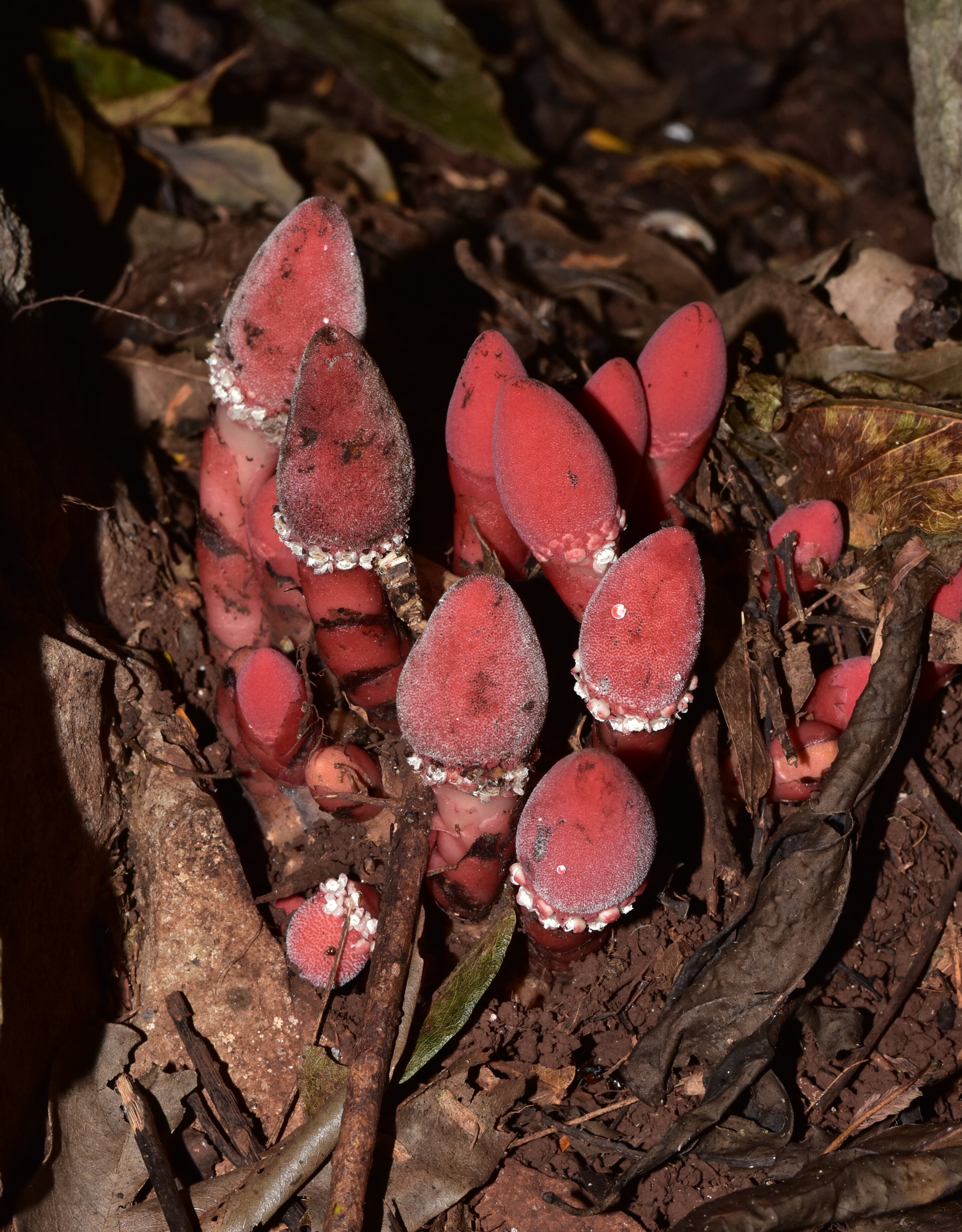
Balanophora is a rare, parasitic flowering plant that resembles a mushroom, lacks chlorophyll, and relies on host trees for nutrients, with unique reproductive strategies including seed production without fertilization. Recent studies reveal its ancient origins, reduced plastids, and adaptation to island habitats, highlighting its evolutionary significance and vulnerability due to habitat loss.
Balanophora, an extreme parasitic plant, has shed one third of its genes as it evolved into a streamlined organism that steals nutrients from its host plant. A study comparing the genomes of Balanophora and another parasitic plant, Sapria, revealed record shrinkages of 28% and 38% respectively. Both plants have lost genes associated with photosynthesis and other key biological processes, while retaining essential genes. Surprisingly, genes related to the synthesis of the plant hormone abscisic acid were lost in parallel in both plants, but the hormone still accumulated in Balanophora's flowering stems. The research provides insights into the genetic mechanisms behind the dependency of parasitic plants on their hosts and their manipulation of host plants to survive.