Gas prices in the US are on the rise again, with the national average standing at $3.83 per gallon. This could have significant implications for consumer spending and sentiment, especially as the back-to-school shopping season approaches. Higher gas prices, along with other factors such as a slowdown in the job market, rising mortgage rates, and higher grocery costs, could impact consumers' disposable income and change their shopping habits. Additionally, diminishing savings accumulated during the pandemic may further limit consumers' ability to cope with higher gas prices. However, experts suggest that the worst may be behind us in terms of pump prices, barring any major shocks to oil prices.
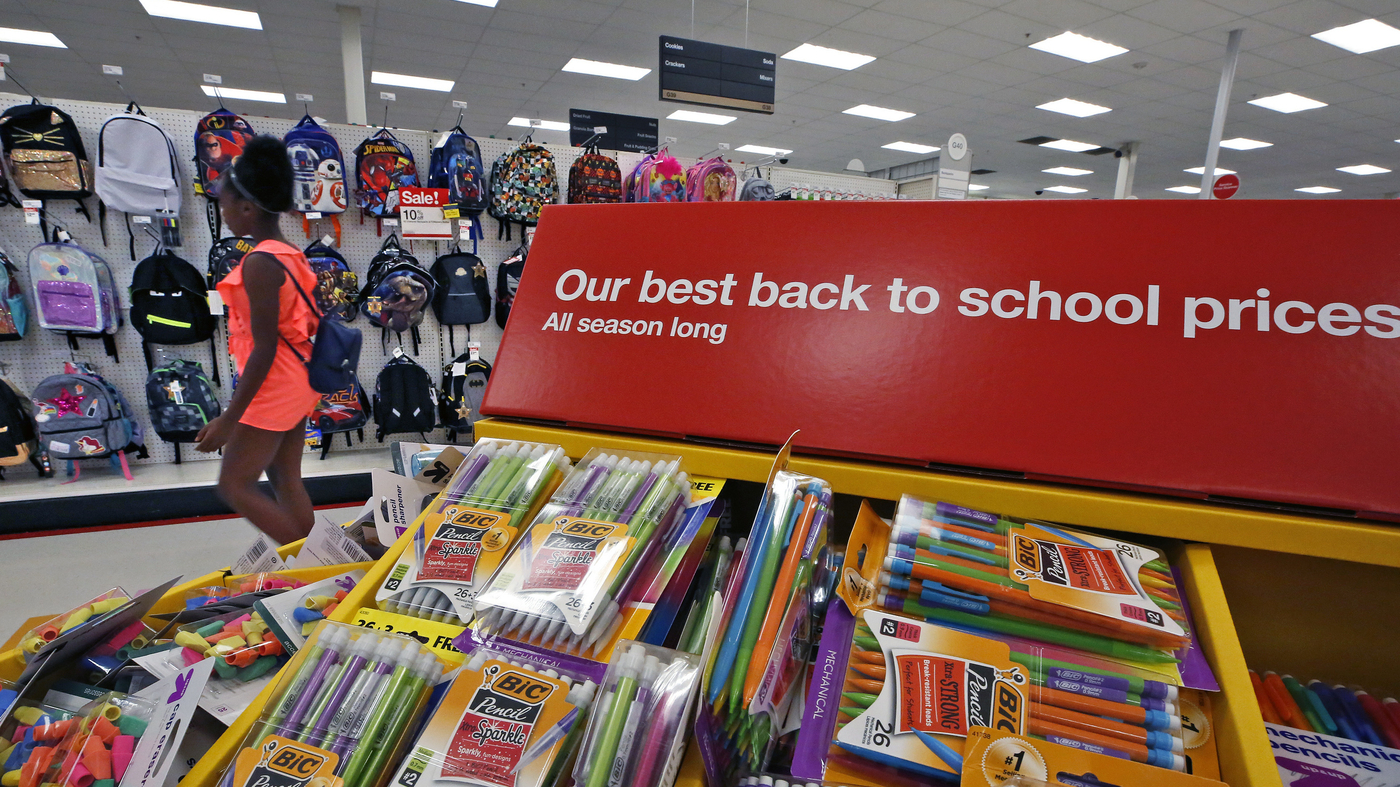
The upcoming back-to-school shopping season in 2023 is expected to be the most expensive ever, with estimates suggesting that spending could surpass $135 billion, $24 billion more than in 2022. However, projections vary, with some experts predicting a decline in total spending due to inflation and consumer resilience. Higher prices and longer shopping lists have made parents more cost-conscious, leading them to be choosier about what they buy and where they shop. Clothing, shoes, and electronics are among the top categories for back-to-school shopping, with consumers also turning to discount retailers and online shopping for better deals.
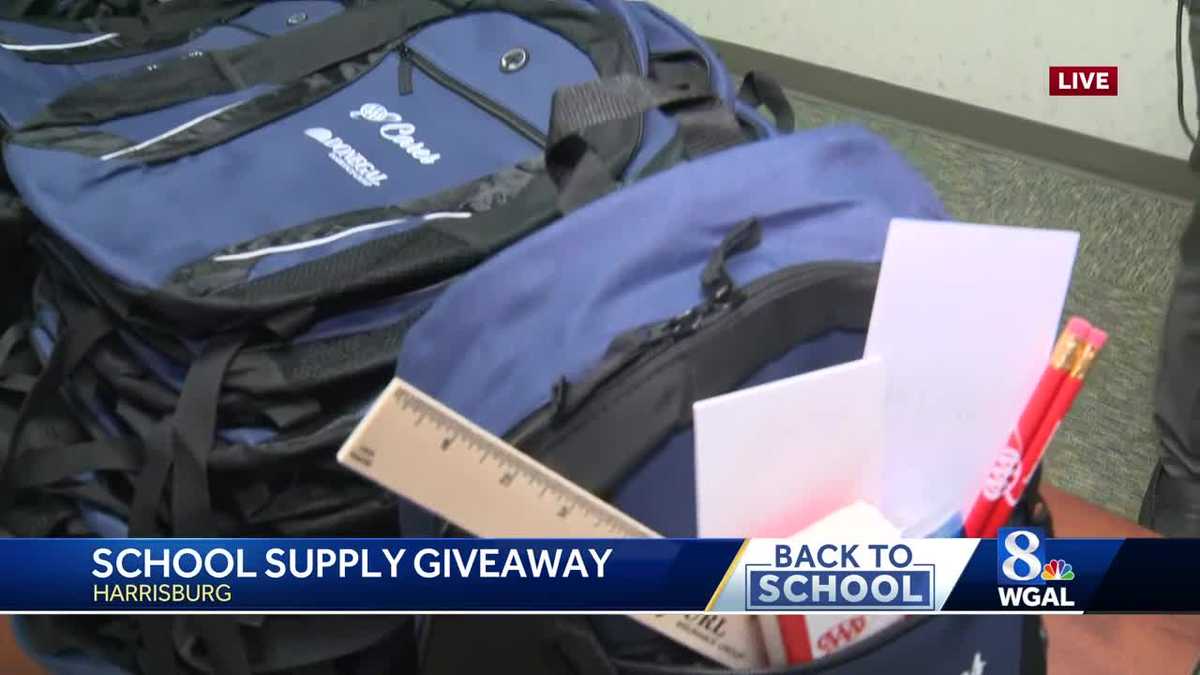
AAA Central Penn is expanding its annual event to distribute over 1,000 backpacks filled with school supplies to children in need in South Central PA. This year, the event will also include foster children, providing them with supplies such as towels, pajamas, and toiletries. The initiative aims to alleviate the stress of back-to-school shopping, which a survey conducted by online retailer Zulily found to be more stressful for parents than holiday shopping. Backpack distribution will begin in August.
Back-to-school shopping is expected to decrease for the first time in nine years, with overall spending projected to shrink to $31.2 billion compared to $34.4 billion in 2022. The decline is attributed to persistent inflation, causing Americans to prioritize essential purchases and cut back on non-essential items. Parents and guardians are expected to spend an average of $597, 10% less than last year. Spending on school supplies is expected to increase by 20%, while spending on apparel and technology is set to fall by 14% and 13% respectively. Shoppers are relying on sales to offset increased costs, with nearly 60% of back-to-school purchases planned to be completed by the end of July.
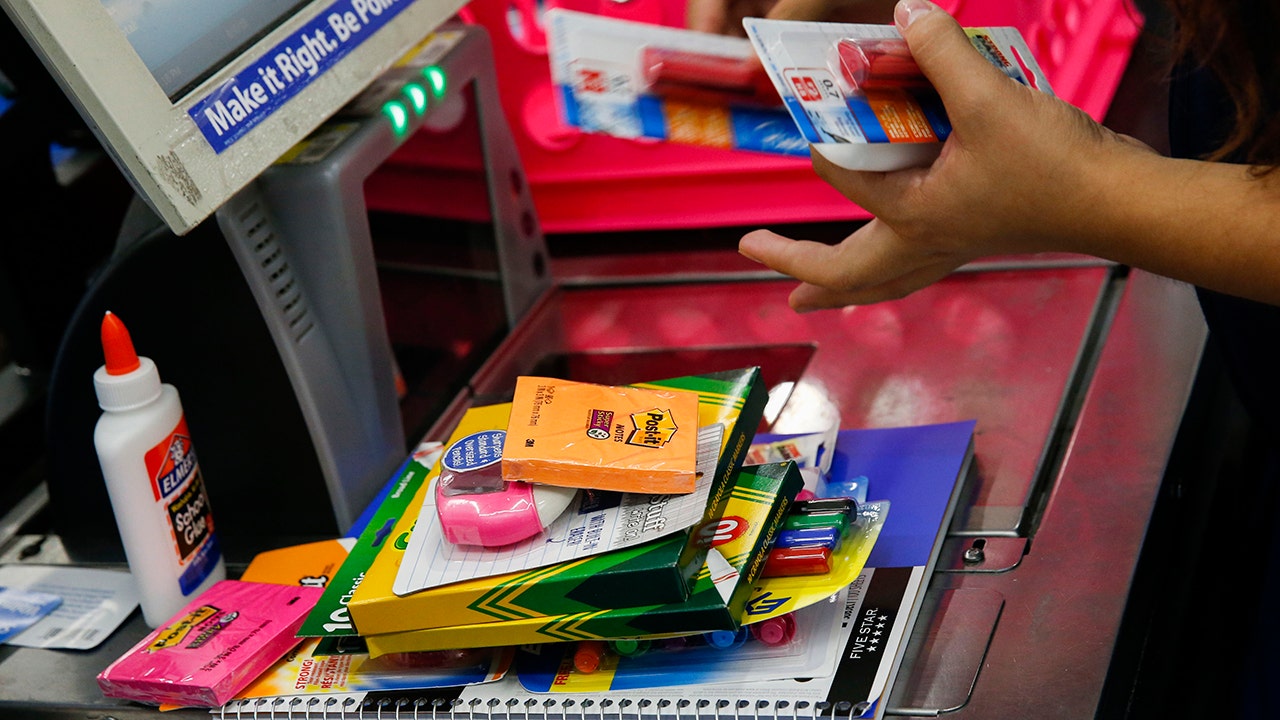
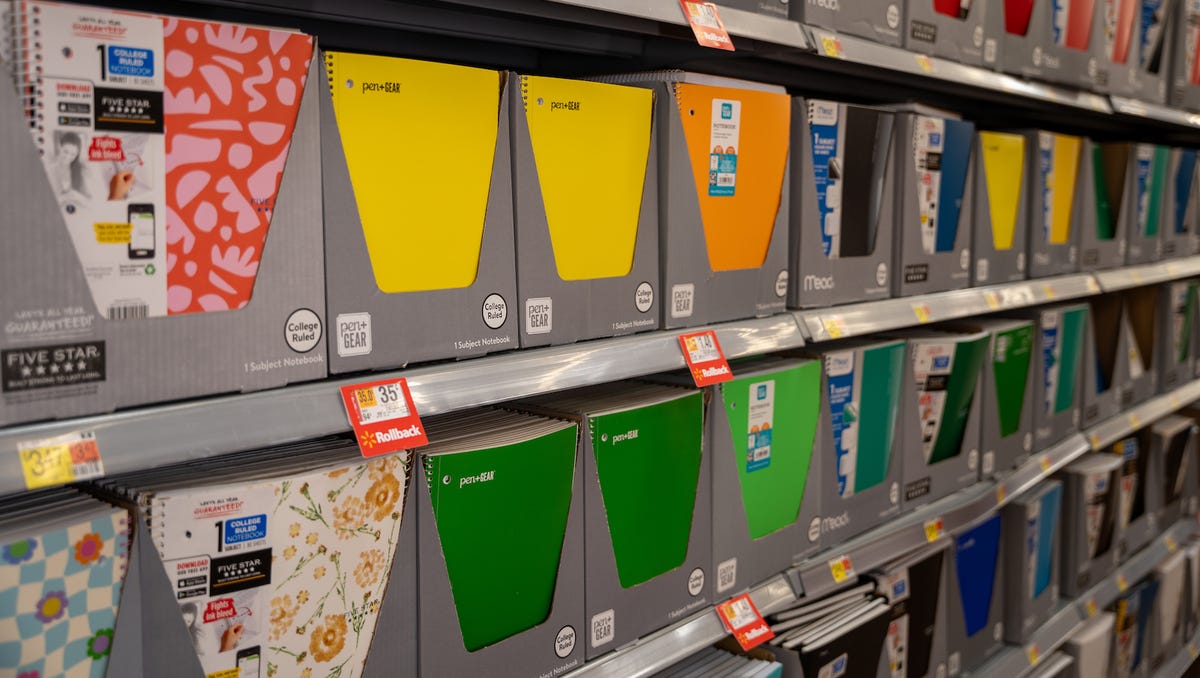
Back-to-school shoppers are relying on sales to save money as inflation puts a strain on wallets. Prices for school supplies have increased by nearly 24% in the last two years, leading many shoppers to prioritize classroom supplies over new clothes or tech products. Parents are hoping to spend less on school supplies this year, with a predicted 10% decrease in spending compared to last year. Many shoppers are taking advantage of sales events like Amazon Prime Day, but prefer to shop in person. Online shopping is becoming more popular, especially for those who are away from home. Despite financial concerns, some shoppers are still willing to splurge on higher-quality items or treats for their children.
Target's first quarter earnings beat estimates, but the company warned of a potentially challenging second quarter due to a cautious consumer and elevated inflation. The retailer saw "softness" in discretionary merchandise such as apparel and home goods, and digital comparable sales dropped 3.4% from a year ago. Target's inventory fell 16% from the prior year, led by a 25% reduction in stock of discretionary categories. The company guided second-quarter earnings to below analyst estimates, setting a cautious tone on the potential start of the key back-to-school shopping season.