
Axis Files $29bn Lawsuit Against Guinea Over Bauxite Dispute
Bauxite mining company Axis has filed a $29 billion legal claim against Guinea, likely related to mining rights or disputes, highlighting ongoing tensions in the mining sector.

All articles tagged with #axis
Bauxite mining company Axis has filed a $29 billion legal claim against Guinea, likely related to mining rights or disputes, highlighting ongoing tensions in the mining sector.
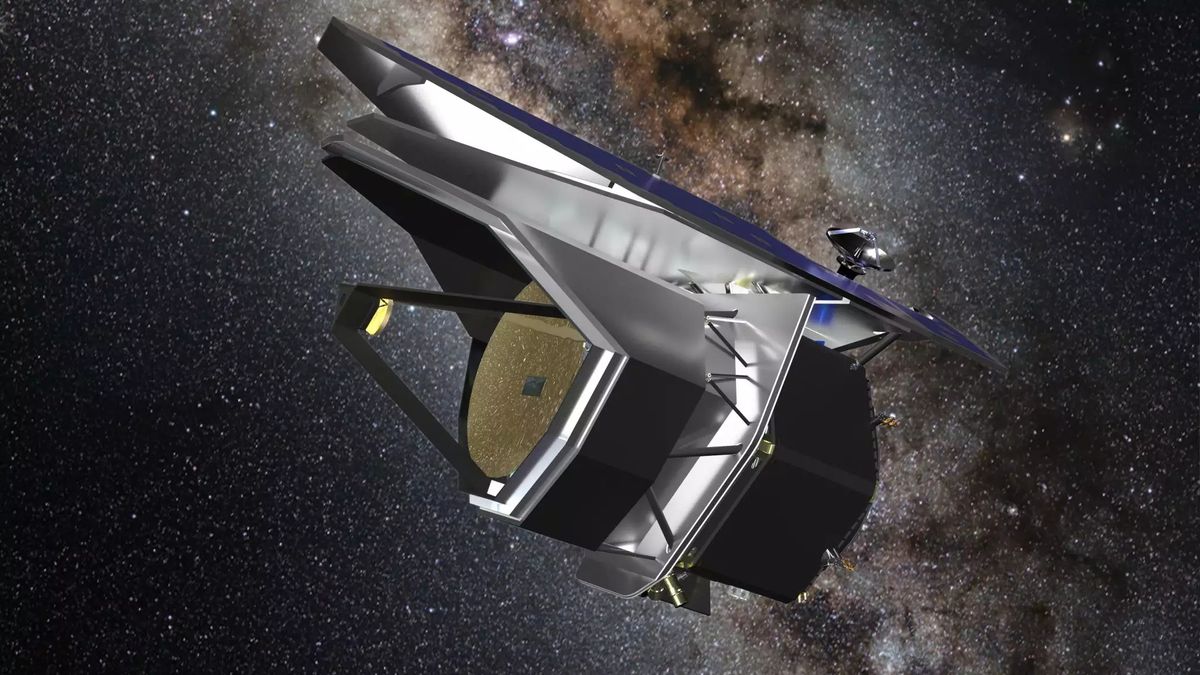
NASA is evaluating two new space telescope designs, PRIMA and AXIS, to determine which will become the next "Probe" class mission. PRIMA aims to study the universe in far-infrared wavelengths, while AXIS focuses on X-ray imaging of black holes and supernovae. Both projects have until 2026 to finalize their designs, with a $5 million budget each, and the selected mission is expected to launch in 2032. These missions are part of a new class of medium-scale projects proposed to bridge the gap until the next generation of large observatories is developed.
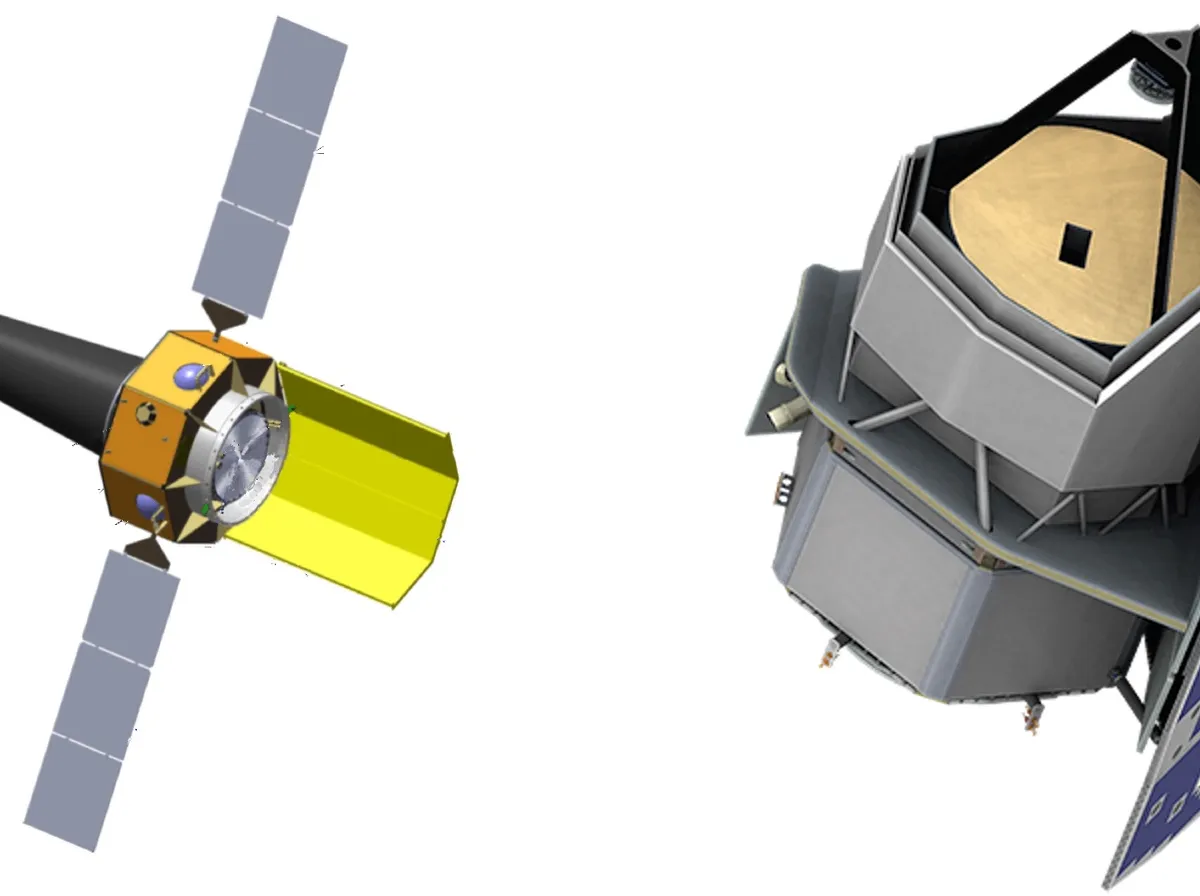
NASA defended its selection of two proposals, AXIS and PRIMA, for its Astrophysics Probe Explorer program, despite community concerns about their unequal footing. The agency emphasized that the choices align with decadal priorities and aim to balance the astrophysics portfolio. Questions arose about the selection process, particularly regarding the perceived lower ranking of AXIS, but NASA maintained that both proposals were chosen based on their scientific merit and potential to enhance current capabilities.
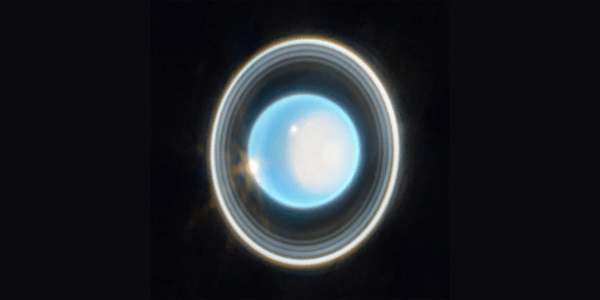
NASA's James Webb telescope captured a detailed image of Uranus on February 6, revealing the planet's faint, rarely photographed rings and unique axis. Uranus rotates at an angle of almost 90 degrees, making it the only planet to rotate almost completely on its side. The image also shows bright spots, likely related to typical storm activity, and six of the planet's 27 known moons.
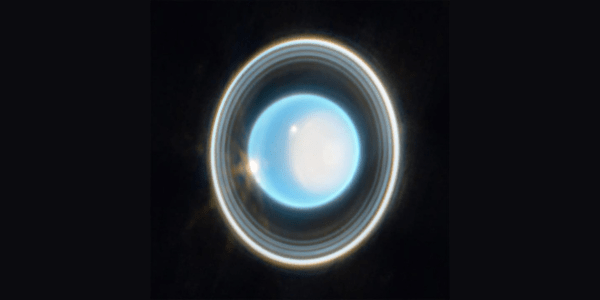
NASA's James Webb telescope captured a new image of Uranus in February, providing a detailed look at the planet's faint, rarely photographed rings. The image also shows Uranus' unique axis, which rotates at an angle of almost 90 degrees, making it the only planet to rotate almost completely on its side. The planet's poles are located on its sides, giving it the appearance of a ball rolling around the sun. The bright spots seen in the image are the planet's clouds, which are likely related to typical storm activity.
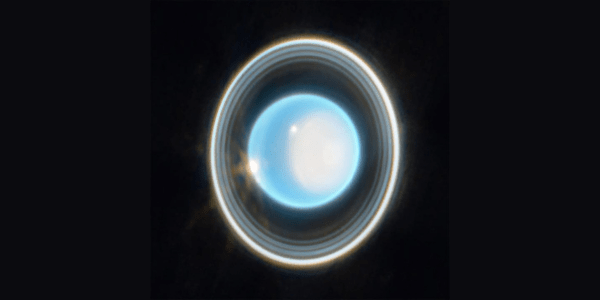
NASA's James Webb telescope captured a new image of Uranus in February, providing a detailed look at the planet's faint, rarely photographed rings and unique axis. The image shows bright features in the planet's atmosphere, likely related to typical storm activity, and a subtle brightening near the Uranian north pole. The planet's extreme tilt makes it the only planet to rotate almost completely on its side, with its poles located on its sides, giving it the appearance of a ball rolling around the sun.