Tag

Axion

All articles tagged with #axion

technology1 year ago

"Google Introduces Axion: Its In-House Arm-Based CPU for Data Centers"

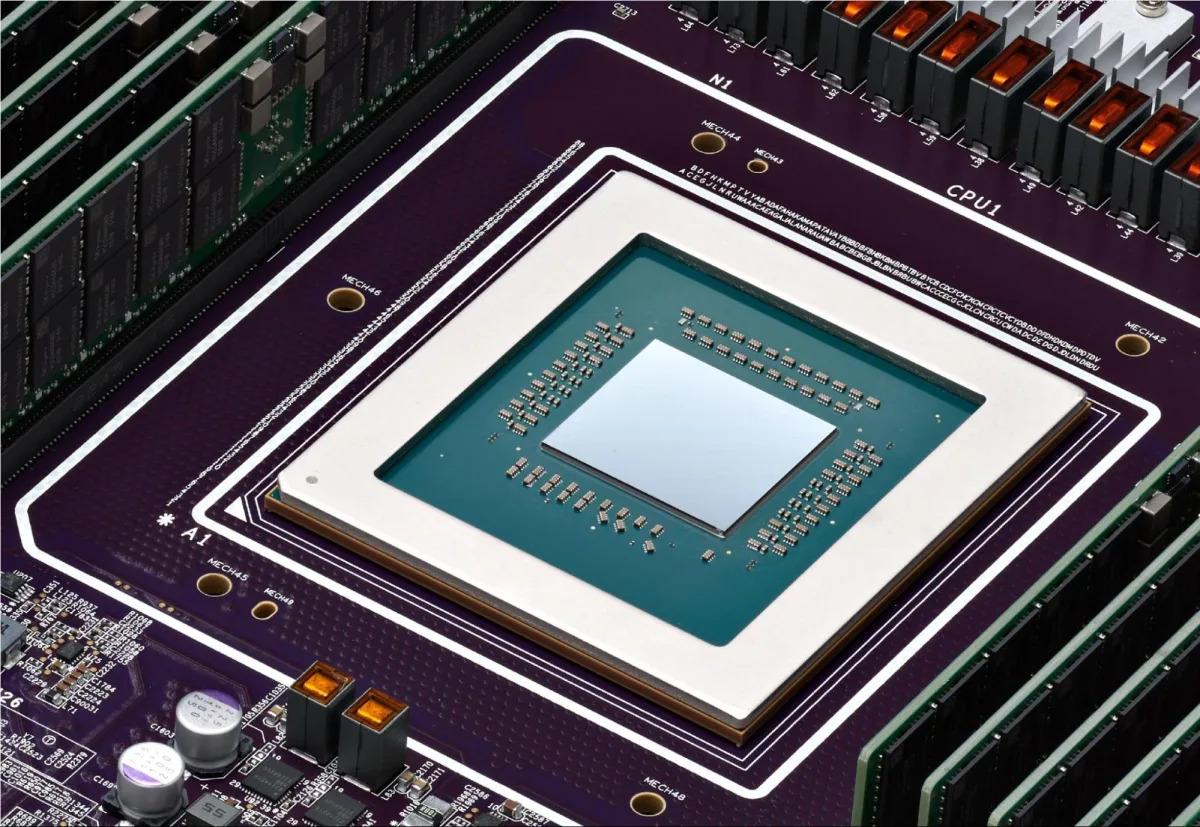
Google announces Axion, its first Arm-based CPU designed for data centers, claiming 30% better performance than its fastest general purpose Arm-based tools in the cloud and 50% better performance than comparable x86-based VMs, while being 60% more energy efficient. This move puts Google in competition with Amazon's Graviton processor and NVIDIA's Grace, signaling a shift from primarily consumer-focused processors to data center solutions. The announcement comes amid concerns about the energy usage of AI models, with Arm's CEO warning about the increasing power requirements and stressing the need for greater efficiency.

technology1 year ago

"Google Unveils Axion: Its Inaugural Custom Arm-based Data Center Processor"

Google Cloud announces its first custom-built Arm processor, Axion, based on Arm’s Neoverse 2 designs, claiming 30% better performance than competitors' Arm-based instances and up to 50% better performance and 60% better energy efficiency than comparable X86-based instances. However, Google did not provide documentation to support these claims or details on availability, pricing, or technical data. The company emphasized that Axion is built on an open foundation, allowing customers to bring existing Arm workloads to Google Cloud without modifications, and plans to release technical documentation later this year.

science2 years ago

Sensitive Laser Experiment Searches for Dark Matter Particles

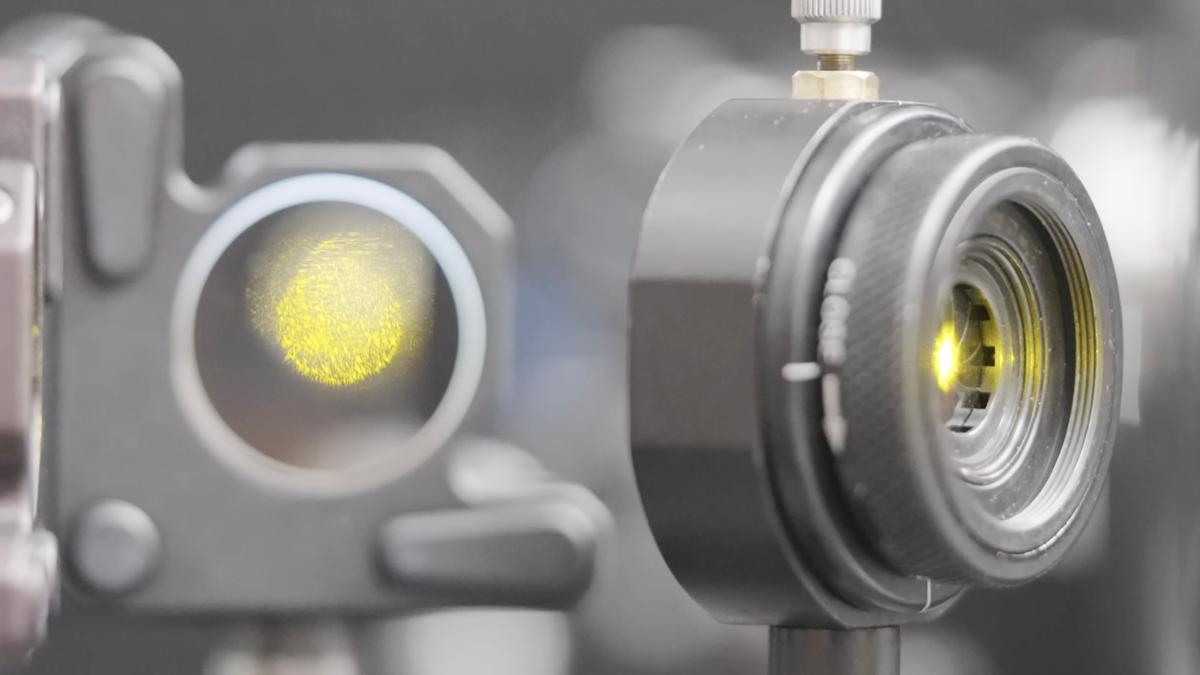
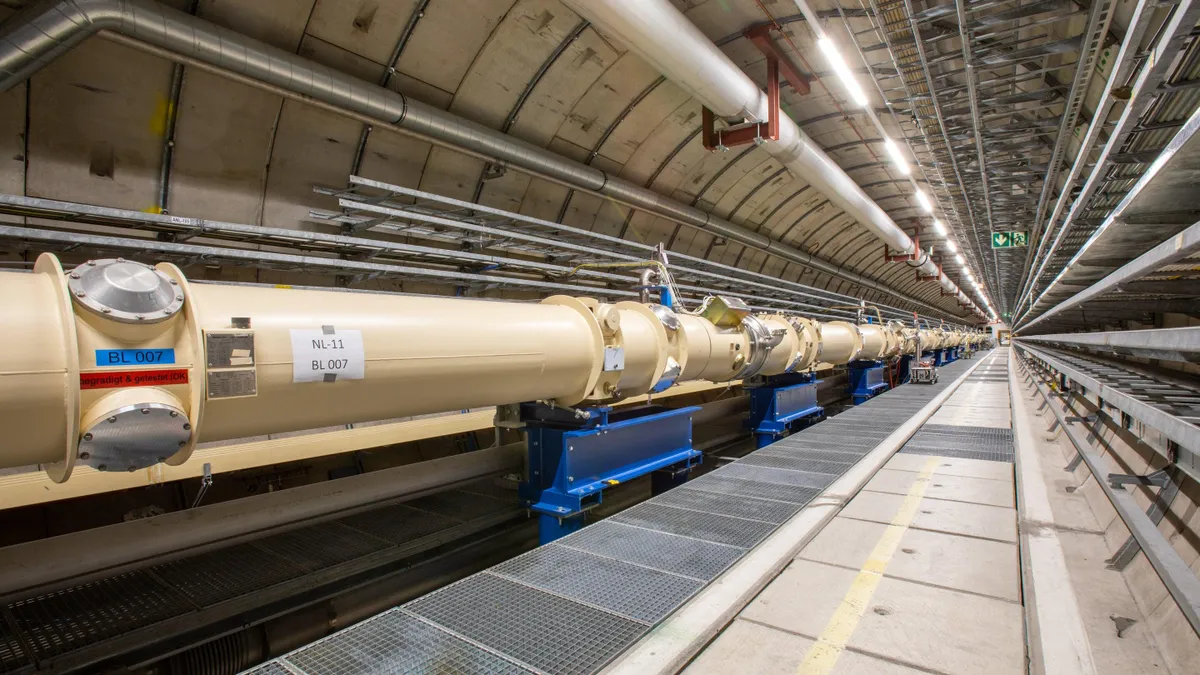
The ALPS II experiment, designed to detect axionic dark matter, could expose particles responsible for dark matter. The experiment involves a wall that light cannot pass through, but an axion could. If light shows up on the far side of the experiment, it would indicate that a photon turned into an axion, transitted the wall, and reverted to a photon. The experiment will begin its search in an “attenuated operating mode” and is expected to reach full sensitivity later this year. The first data from the experiment is expected in 2024.