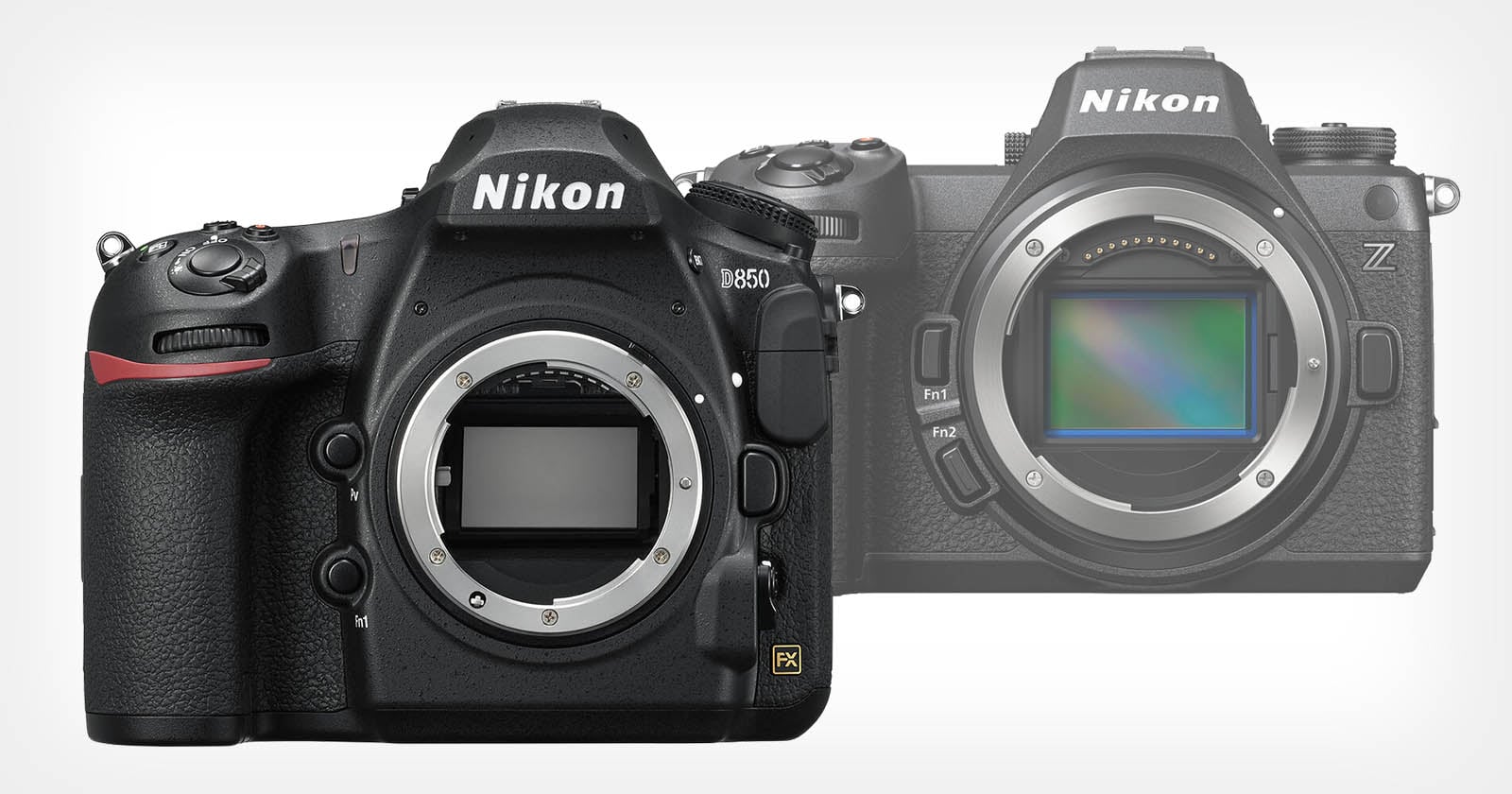
The author, a professional photographer, argues that despite the advantages of mirrorless cameras, DSLRs still outperform them in low-light conditions due to their dedicated autofocus modules, making DSLRs more reliable for capturing fleeting moments in challenging lighting. The article emphasizes the importance of trust and reliability in professional photography and calls for improvements in mirrorless autofocus technology.
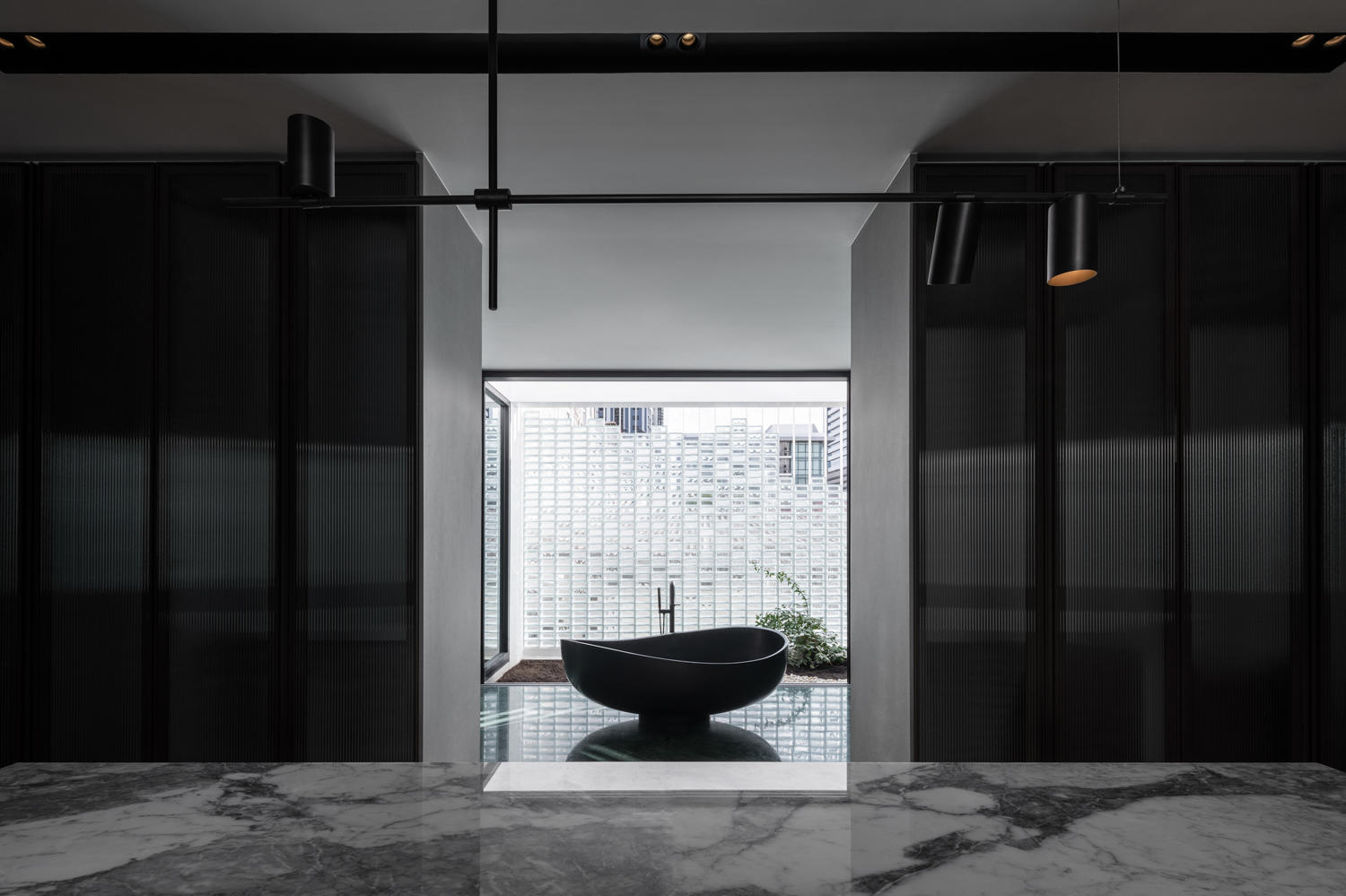
These four dark bathrooms from the ArchDaily catalog embrace the concept of peaceful darkness to create calming spaces with low, ambient lighting, natural materials, and dark surfaces. By blocking out excessive light, these bathrooms offer a sense of tranquility and encourage self-care. Each design utilizes a different approach, such as balancing dark colors with reflective details, incorporating natural tones and filtered air, creating a meditative environment with rough textured surfaces, and featuring a sculptural black bathtub surrounded by rich green marble.
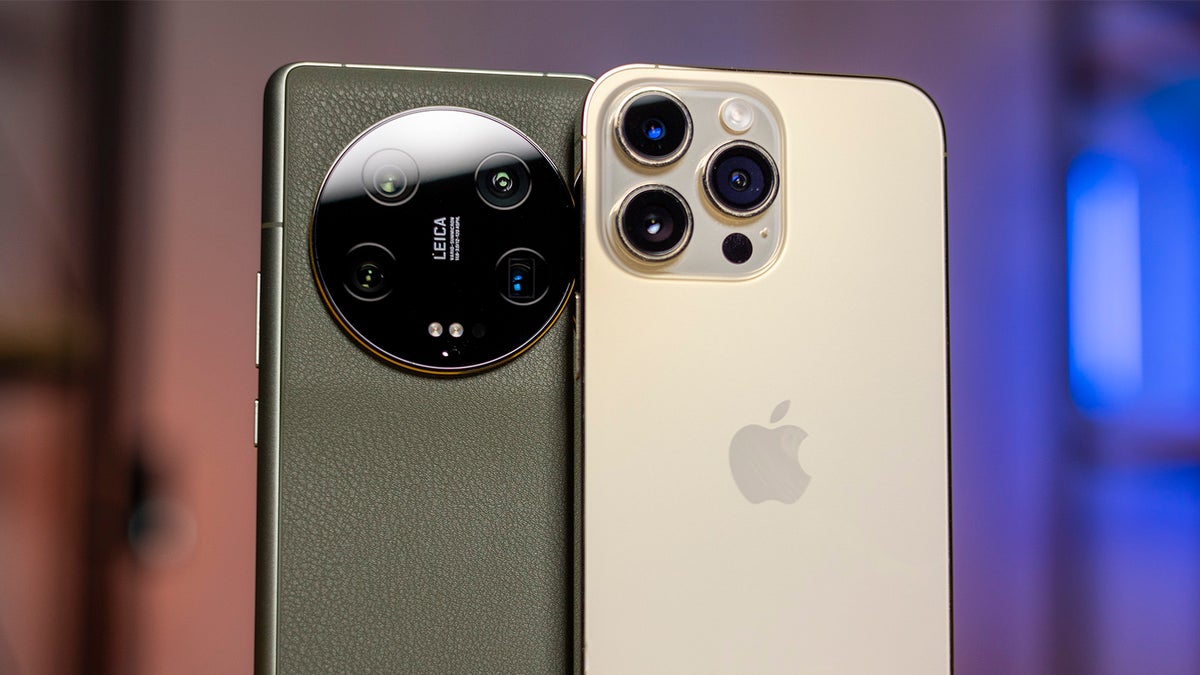
A blind camera comparison between the Xiaomi 13 Ultra and the iPhone 14 Pro Max was conducted in low light conditions to determine which smartphone has the better camera system. The shots were taken using the main camera and the results will be unveiled on May 9th.
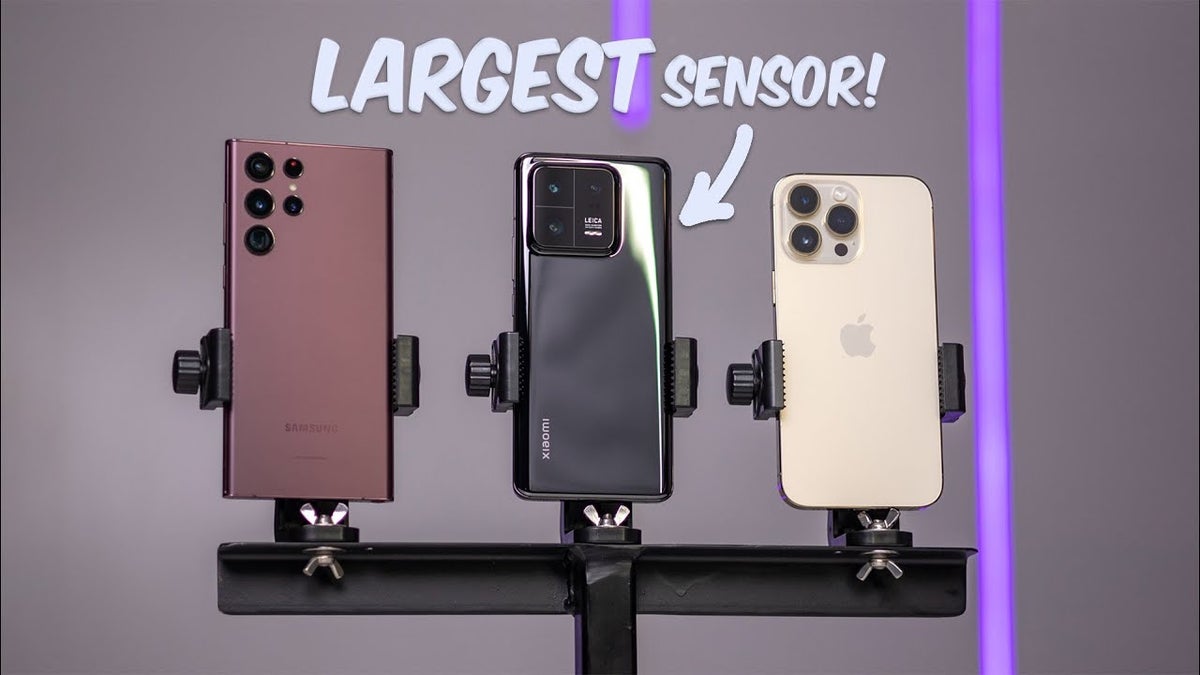
The Xiaomi 13 Pro, iPhone 14 Pro, and Galaxy S23 Ultra were compared in terms of camera performance. The Xiaomi 13 Pro's larger sensor allows for better low-light shots, but struggles with white balance. The iPhone 14 Pro has the best white balance, while the Galaxy S23 Ultra has the best portrait mode. The Xiaomi 13 Pro's color processing is a bit moody, but overall produces good quality photos. Selfies on the Xiaomi have typical image processing seen on many Chinese phones.