

Tag

Astrophysical Tau Neutrinos

All articles tagged with #astrophysical tau neutrinos

science1 year ago

"Scientists Detect Seven Ghost Particles Piercing Through Earth"

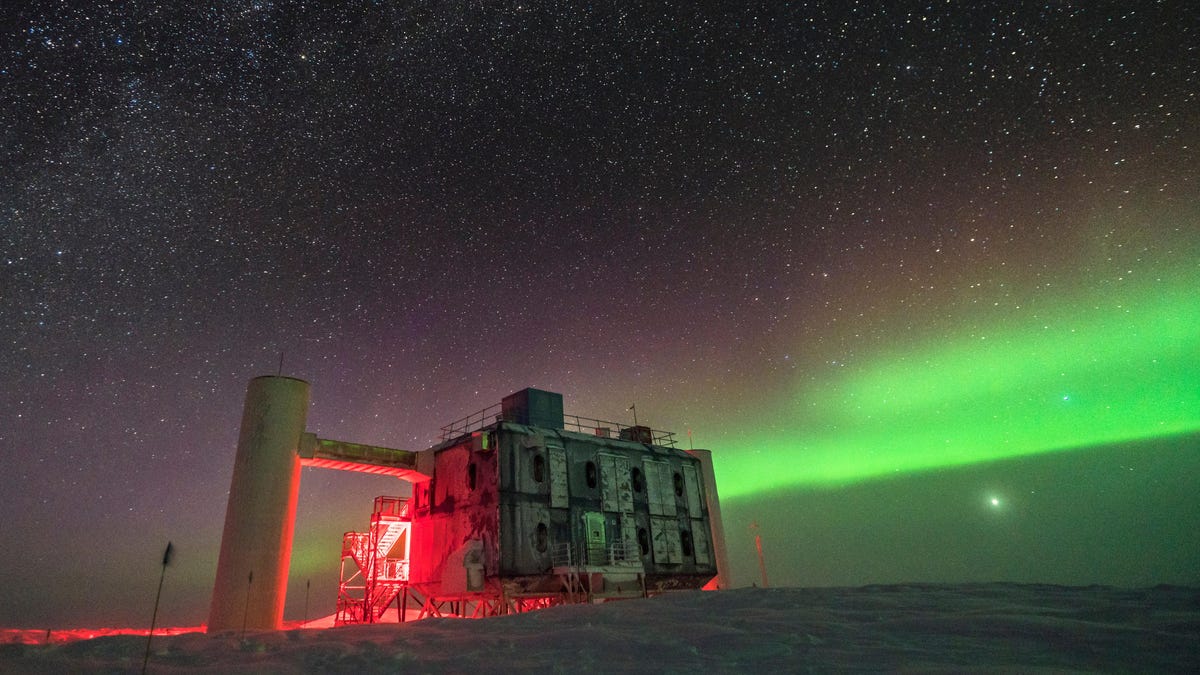
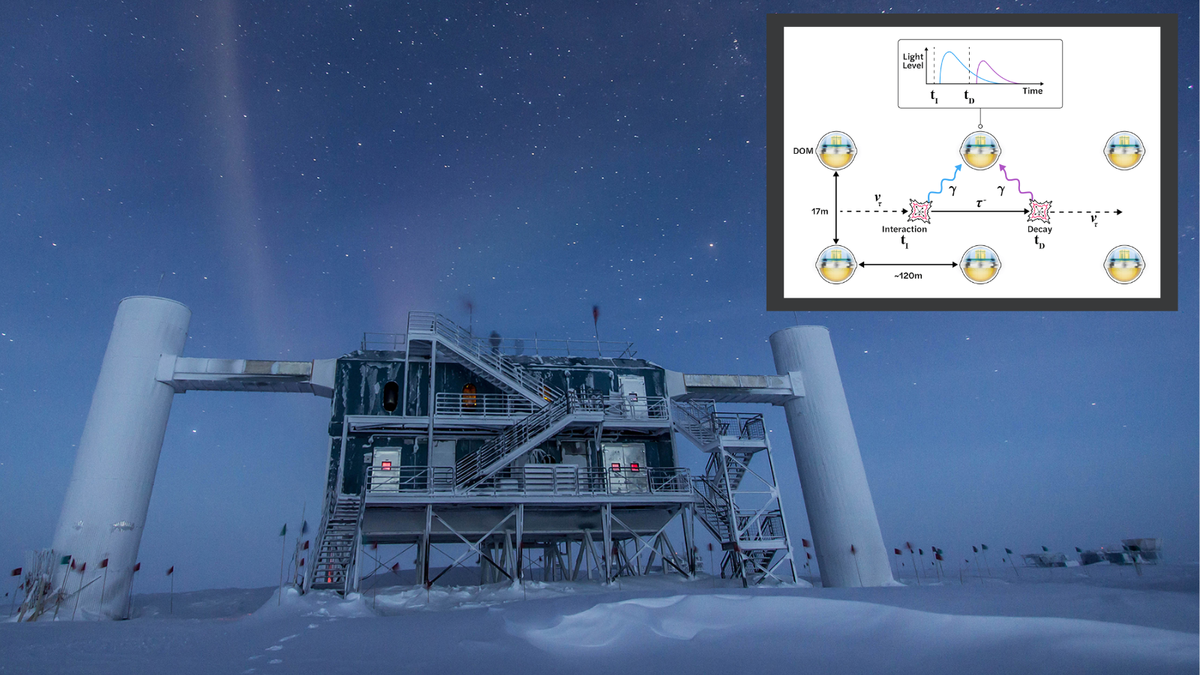
Scientists at the IceCube Observatory have detected seven astrophysical tau neutrinos, also known as "ghost particles," piercing through Earth after 9.7 years of observation. These high-energy neutrinos, which travel at speeds close to that of light, serve as messengers from cosmic sources near the Milky Way. The discovery expands the sample of tau neutrinos and provides a strong confirmation of IceCube's earlier detection of the diffuse astrophysical neutrino flux, offering new insights into particle physics and neutrino oscillations.
science1 year ago

"Antarctic Observatory Detects Seven Potential 'Ghost Particles' from Milky Way"

The IceCube Neutrino Observatory in Antarctica has potentially detected seven tau neutrinos, a type of subatomic particle from deep space, in its 9.7 years of data, providing strong evidence of their existence. These elusive particles, which are fundamental and incredibly light, are part of the dense stream of neutrinos from deep space, and their detection confirms the observatory's earlier discovery of the diffuse astrophysical neutrino flux. The findings, soon to be published, suggest that the chances of background noise mimicking a tau neutrino signal are extremely low, and the discovery paves the way for further exploration with the upcoming Deep Underground Neutrino Experiment in South Dakota.

science1 year ago

"Discovery of 7 Exotic 'Ghost Particles' Piercing Through Earth"

Scientists using the IceCube observatory at the South Pole have detected seven elusive and exotic "ghost particle" candidates, likely astrophysical tau neutrinos, as they passed through Earth. Neutrinos are nearly mass-less particles that rarely interact with matter, making them difficult to detect. The discovery of these tau neutrinos could serve as a new type of cosmic messenger and may lead to uncovering new physics. The research has been accepted for publication in the journal Physical Review Letters.