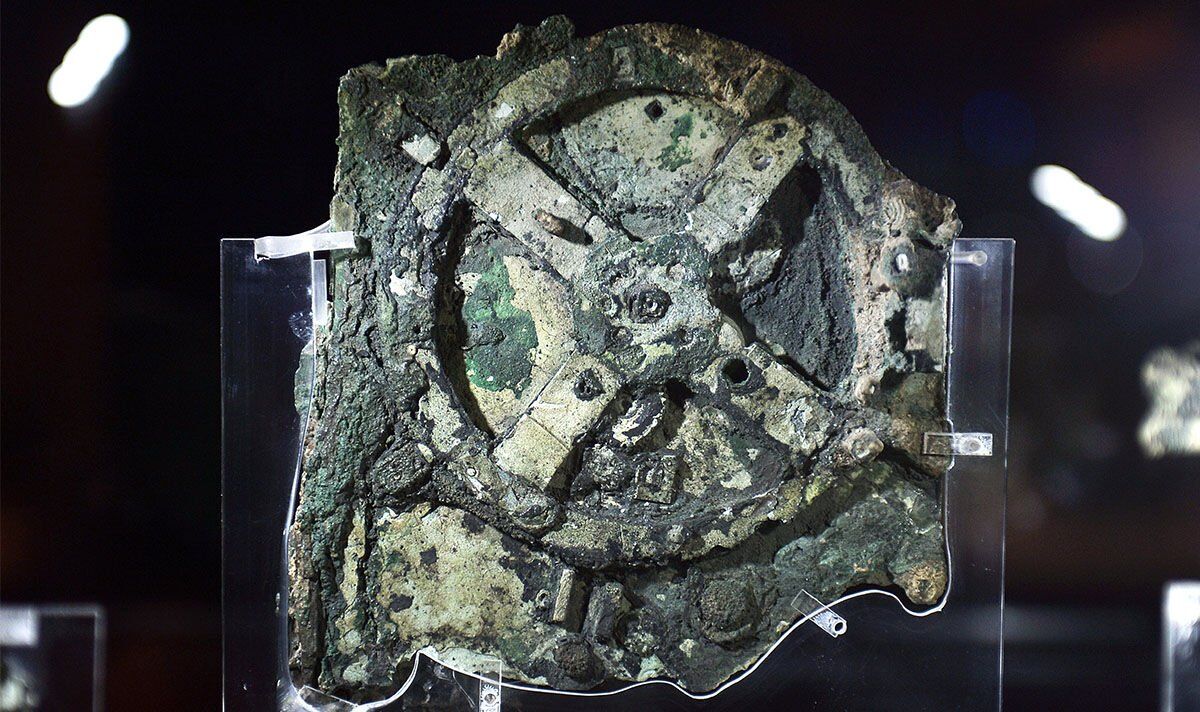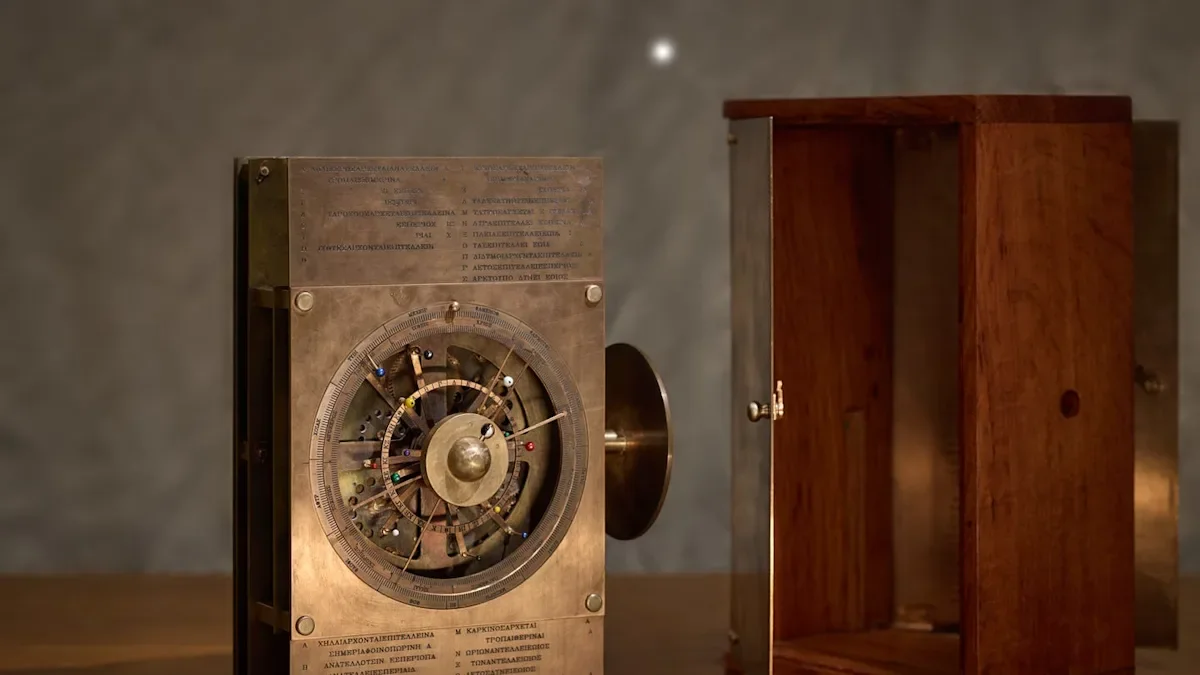
The Antikythera Mechanism, discovered in a shipwreck off Greece, is an ancient device from 2,000 years ago that functions as an advanced astronomical calculator, tracking planetary motion, predicting eclipses, and even displaying Olympic cycles, highlighting the ingenuity of ancient Greek engineering and the ongoing mystery surrounding its origins.
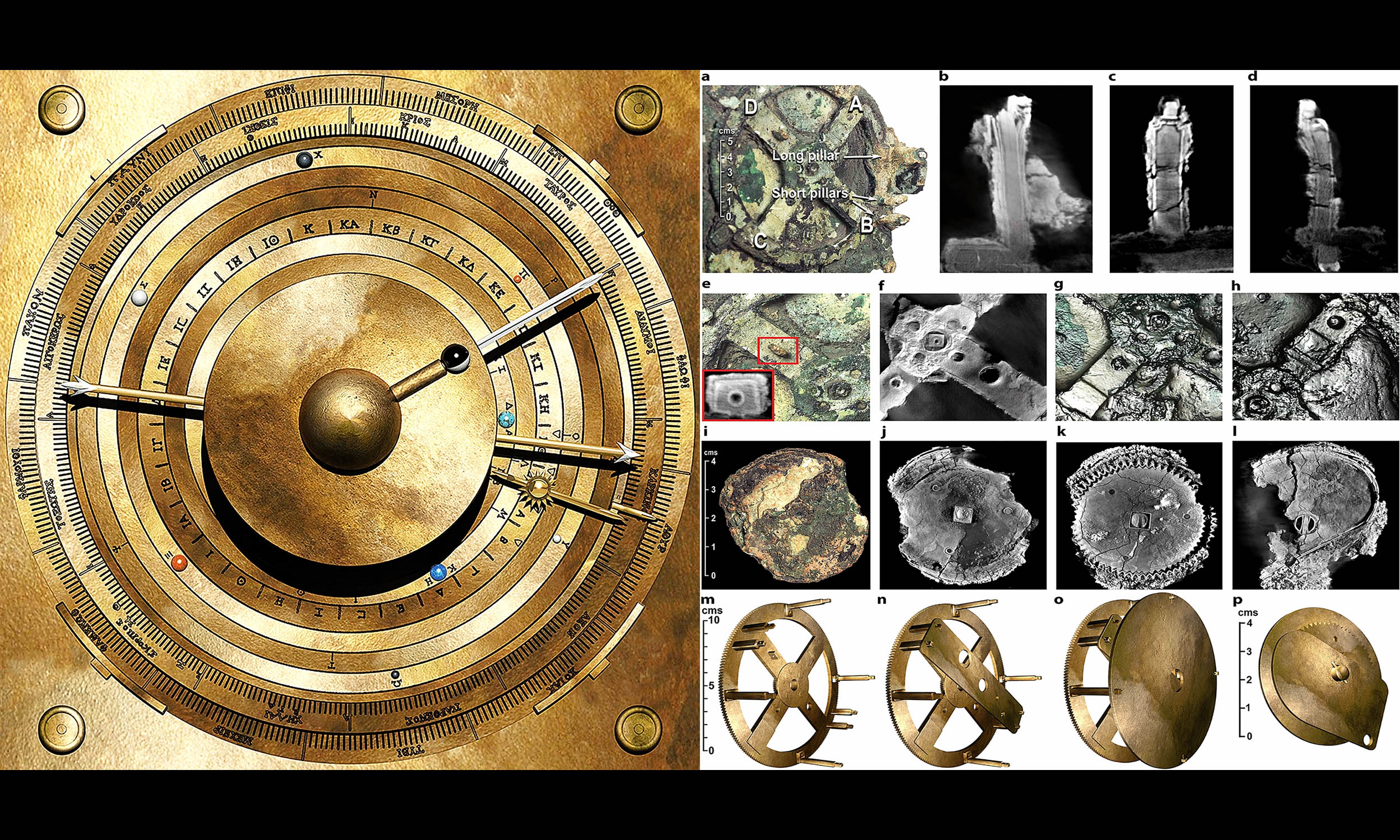
Archaeologists have uncovered new details about the 2,100-year-old Antikythera shipwreck, revealing insights into ancient Greek shipbuilding techniques and the famous Antikythera mechanism, an advanced astronomical device that modeled celestial cycles with impressive precision, showcasing the ingenuity of ancient engineering and scientific knowledge.
Archaeologists in Greece have made an astonishing discovery of a 2,000-year-old analogue computer known as the Antikythera mechanism. This relic, believed to be the earliest example of its kind, was used by the Ancient Greeks to predict astronomical positions, eclipses, and the cycle of the Olympic Games. Initially mistaken for a corroded lump, the device was found to contain precision gear wheels, shocking researchers. Through advancements in archaeology technologies, including 3D X-ray capabilities, scientists have been able to uncover hidden inscriptions and gain a deeper understanding of the mechanism's functions. The discovery highlights the advanced knowledge and technological capabilities of the Ancient Greeks.