
Challenging 30-Year-Old Dogma in Polymer Research.
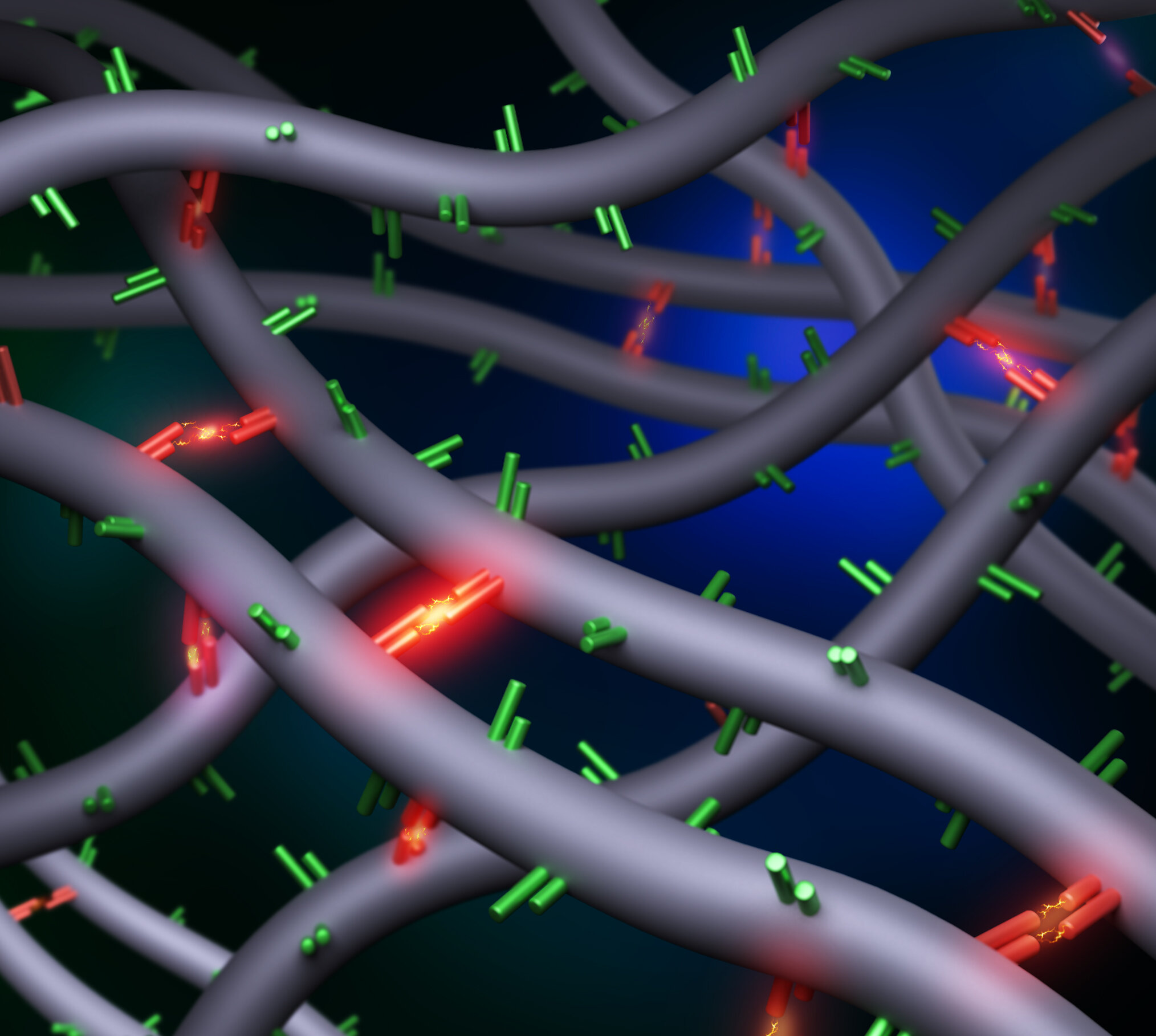
A University of Virginia-led study challenges the long-held understanding of how associative polymers function at the molecular level. The study was enabled by new associative polymers developed in the lab, which allowed the team to precisely study the effects of reversible interactions on the dynamics of associative polymers. The team found that the bonds can slow down polymer movement and dissipate energy without creating a rubbery network. The discovery has important implications for the countless ways these materials are used every day, from engineering recyclable plastics to human tissue engineering to controlling the consistency of paint so it doesn't drip.