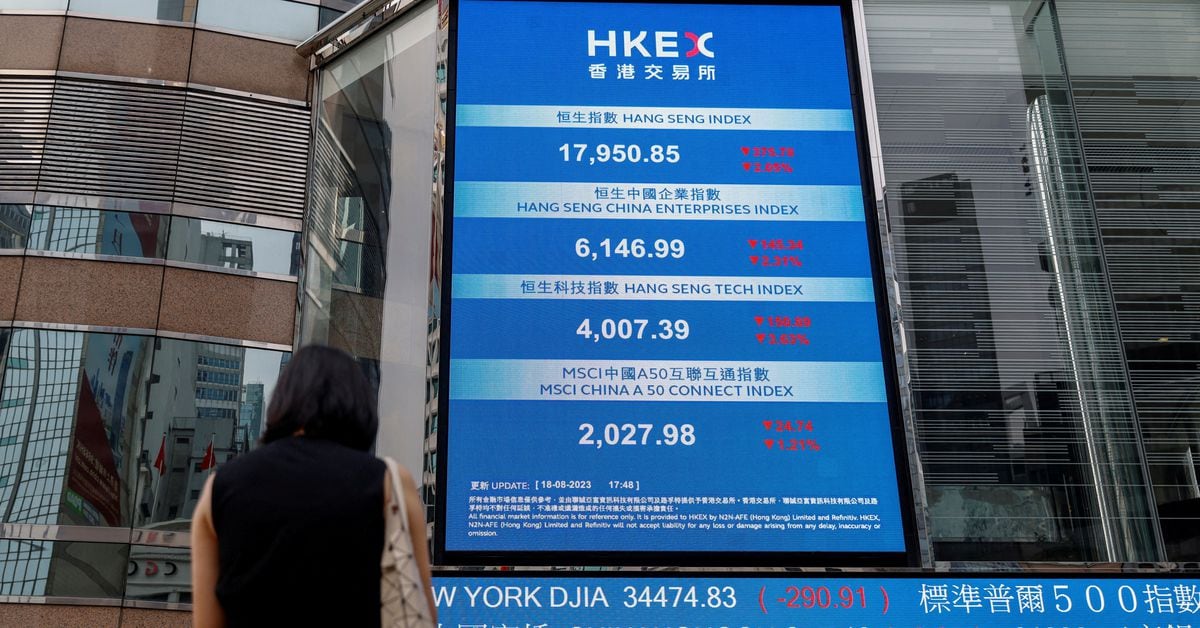
Asian currencies, including the yen, weakened as markets reacted to former President Donald Trump's apparent victory in the U.S. presidential election, with Trump securing 277 electoral votes against Vice President Kamala Harris's 224. The yen fell by 2% amid expectations of market fluctuations due to potential delays in the final election results.
The U.S. Federal Reserve is expected to cut interest rates, benefiting some Asian currencies like the Chinese yuan, Indian rupee, and Korean won. The yuan is expected to stabilize due to fiscal stimulus and credit growth in China, while the rupee could benefit from carry trades and a slower pace of monetary policy loosening by the Reserve Bank of India. South Korea's won is also expected to benefit from the Fed's easing cycle and improved economic prospects.
Asian markets are ending the week on a positive note, with a flurry of Purchasing Managers Index (PMI) data and key indicators from Japan, South Korea, and Indonesia expected to drive market movement. November was a strong month for some Asian stock markets, but caution is warranted due to the month-end reversal in the dollar and bonds. China's economy and financial markets continue to face challenges, with a survey showing that no public pension or sovereign wealth funds have a positive outlook for China's economy. However, Asian currencies are gaining favor among investors, except for the Chinese yuan. Key developments to watch include PMIs for various countries, Japan's unemployment data, and Indonesia's inflation figures.
The US dollar's recent surge is causing Asian currencies to hit multi-month lows and putting pressure on the euro, leading Japan and China to defend their exchange rates. The yen has fallen nearly 8% against the dollar since mid-July, while the yuan is down over 6% since May. Signs of US economic resilience are convincing some traders that the Federal Reserve will maintain higher interest rates for longer, boosting the dollar. This has prompted Asian policymakers to take action against bearish speculators. However, skepticism remains about the effectiveness of these measures without a less hawkish Fed or an improvement in China's economy.
The dollar is retreating against Asian currencies ahead of the Federal Reserve meeting. Market experts are analyzing the trends and risks to spot opportunities.