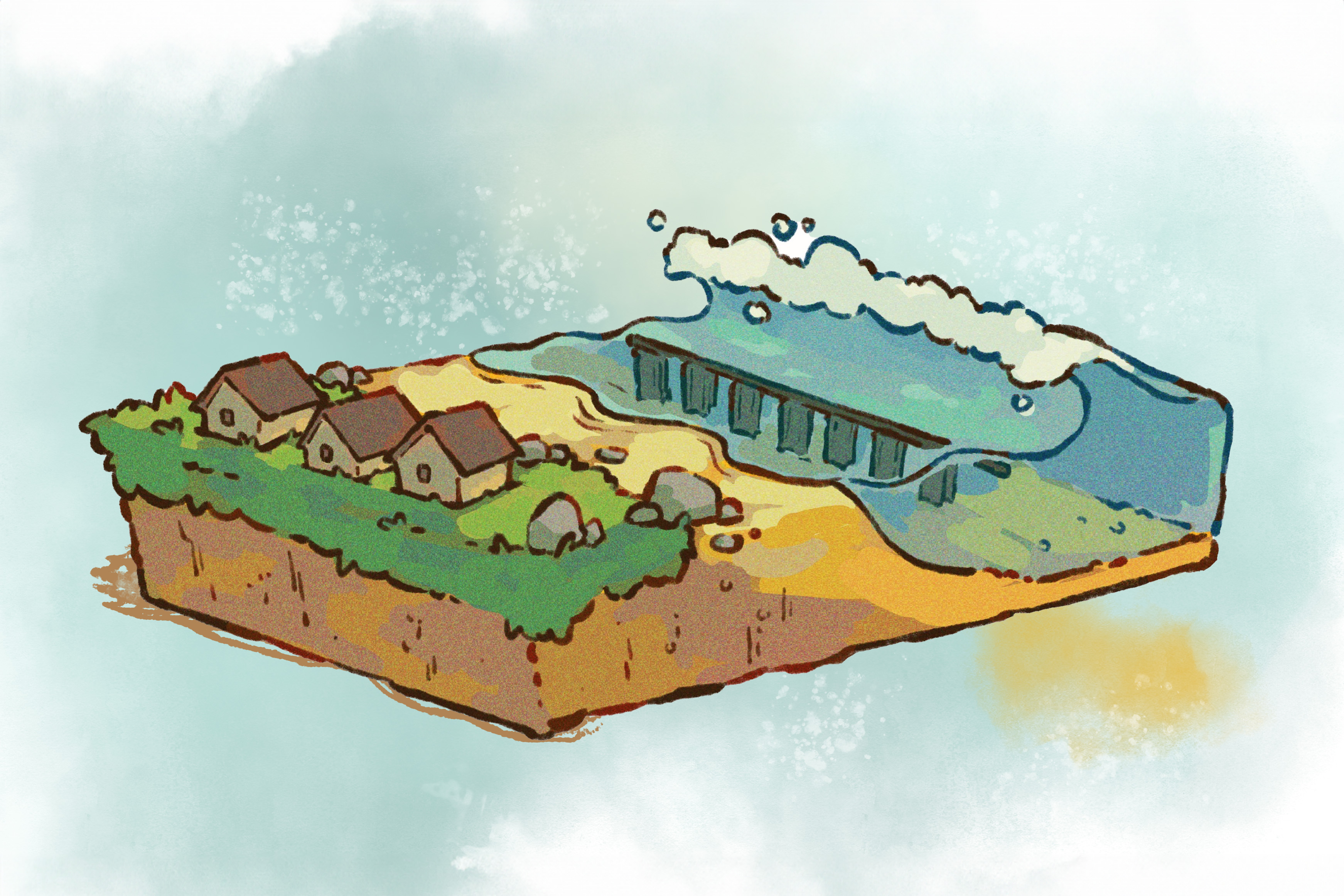
MIT engineers have designed an "architected" reef structure to protect coastlines by mimicking the wave-buffering effects of natural reefs while providing habitats for marine life. The cylindrical structure surrounded by rudder-like slats efficiently dissipates wave energy, potentially reducing storm damage and coastal erosion. The team plans to fabricate the reef from sustainable cement with voxel patterns to create fish-friendly pockets. Initial tests show promising results, and the researchers hope to pilot the structures in Massachusetts beach towns to address the increasing vulnerability of coastal communities to climate change.
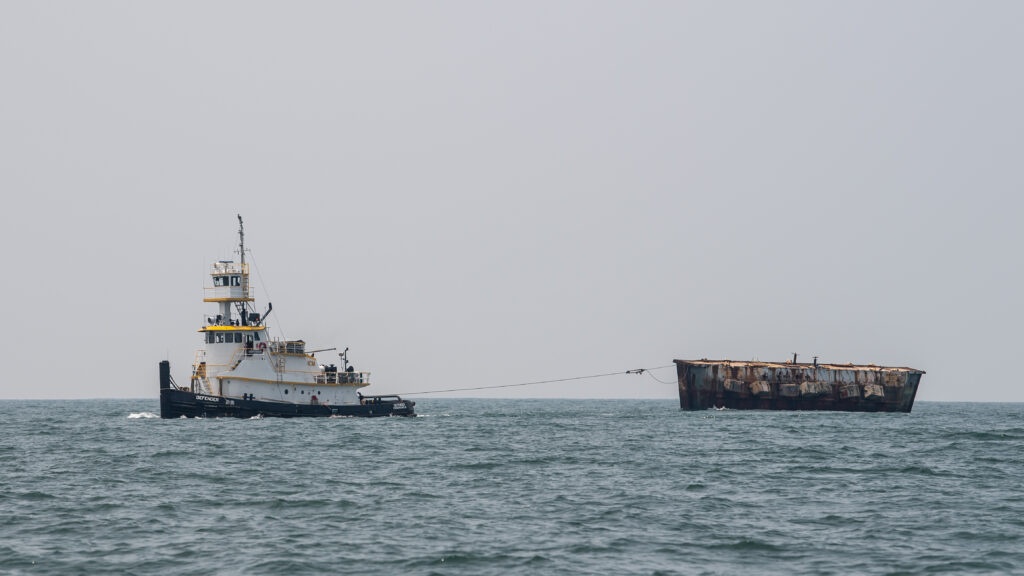
Newport News Shipbuilding has donated a massive dry dock caisson gate to the tower reef, an artificial reef off the Chesapeake Bay. The gate, which is used to seal water out of a dry dock, will provide a habitat for marine organisms and contribute to the ecosystem. The tower reef has been successful in attracting a variety of sea life, making it a popular spot for anglers and divers. The reef is periodically expanded with new structures, and while there are no immediate plans for more additions, future expansions are expected.
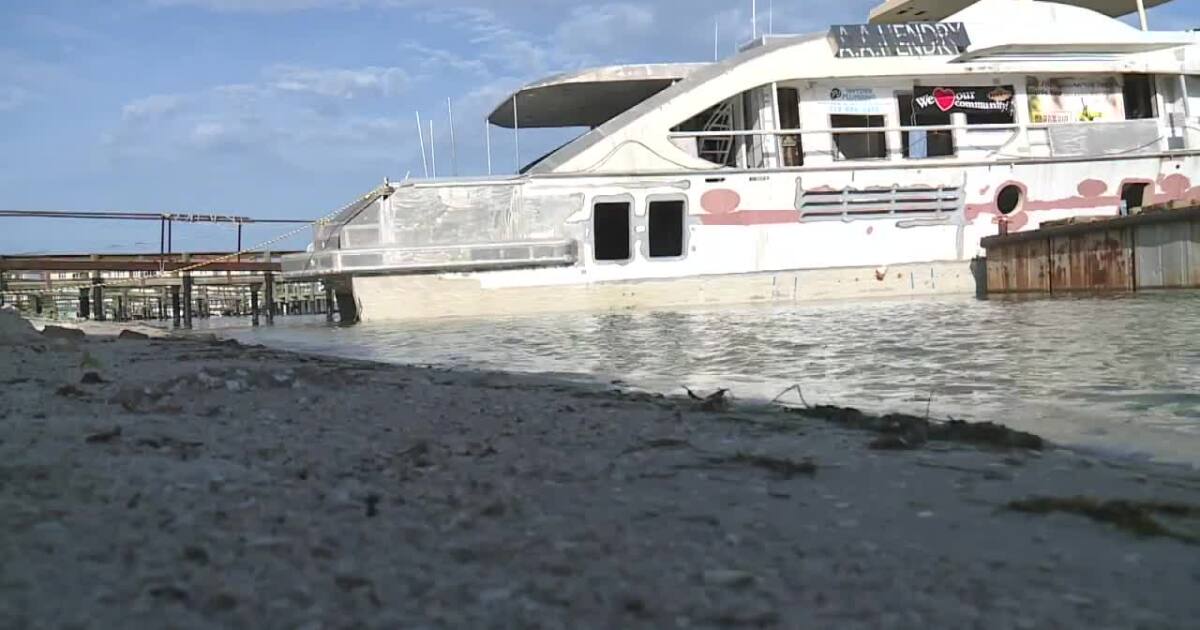
A 127-foot yacht is being transformed into an artificial reef in St. Lucie County as part of an initiative to replenish rare coral species. The project aims to create a stronger and healthier reef ecosystem, combatting the harmful effects of UV rays and rising temperatures. The sinking of the yacht will provide shade, reduce ocean floor temperatures, and offer researchers an opportunity to study environmental and man-made impacts on corals. The reef will be named the A.A. Hendry Reef and is expected to attract the white oculina coral, which is unique to St. Lucie County. The initiative aims to repopulate the oculina coral and promote a sustainable and healthier ecosystem for future generations.