Several school districts in the Denver metro area have announced closures or delays for April 8 due to Xcel Energy power outages. Schools and government office closures will be updated throughout the day, affecting districts such as Colorado Academy, Boulder Valley School District, Denver Public Schools, Jefferson County, and Littleton Public Schools.
The national weather forecast for the total solar eclipse on April 8 shows changing day-to-day outlooks, with converging forecasts indicating favorable conditions for eclipse watchers in New England and Atlantic Canada, while Mexico and Texas are showing unfavorable conditions. Cloud cover probabilities suggest widespread low clouds along the path of totality in Texas, with the possibility of clearer skies in areas of southeast Oklahoma, Arkansas, and Ohio. Mobility and last-minute weather updates are recommended for eclipse viewers, with the best viewing prospects in the northeast corner of New York State, northern Vermont, New Hampshire, and northern Maine. Severe weather is forecasted for central and eastern Texas, and convective clouds in upstate New York, Vermont, New Hampshire, and Maine could affect viewing conditions.
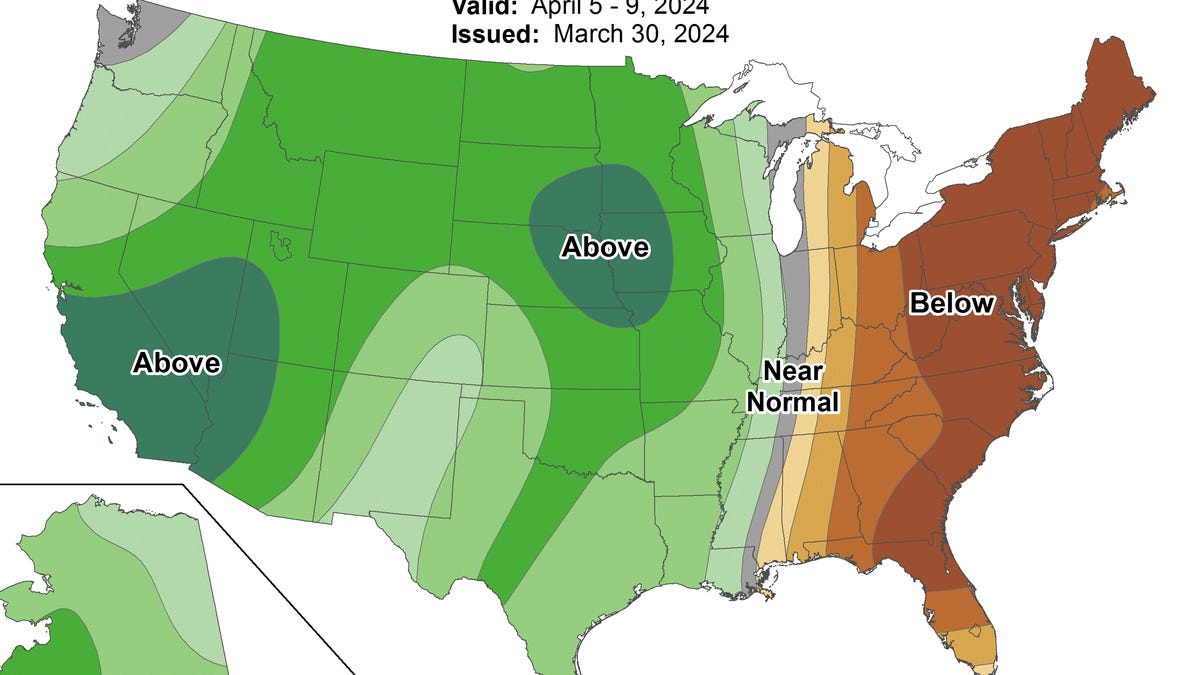
Michigan's weather will be crucial for viewing the April 8, 2024 solar eclipse, with clear skies essential for optimal viewing. Current forecasts indicate above-normal temperatures and below-normal precipitation, potentially signaling a lower chance of cloudy skies in southeast Michigan. However, experts caution that weather forecasts are subject to change, and will continue to update as the date approaches.
A total solar eclipse is set to occur on April 8, with the Susquehanna Valley expecting 90% to 95% coverage of the sun. Some areas will experience the eclipse in its totality, and a map is available to check the path of totality.
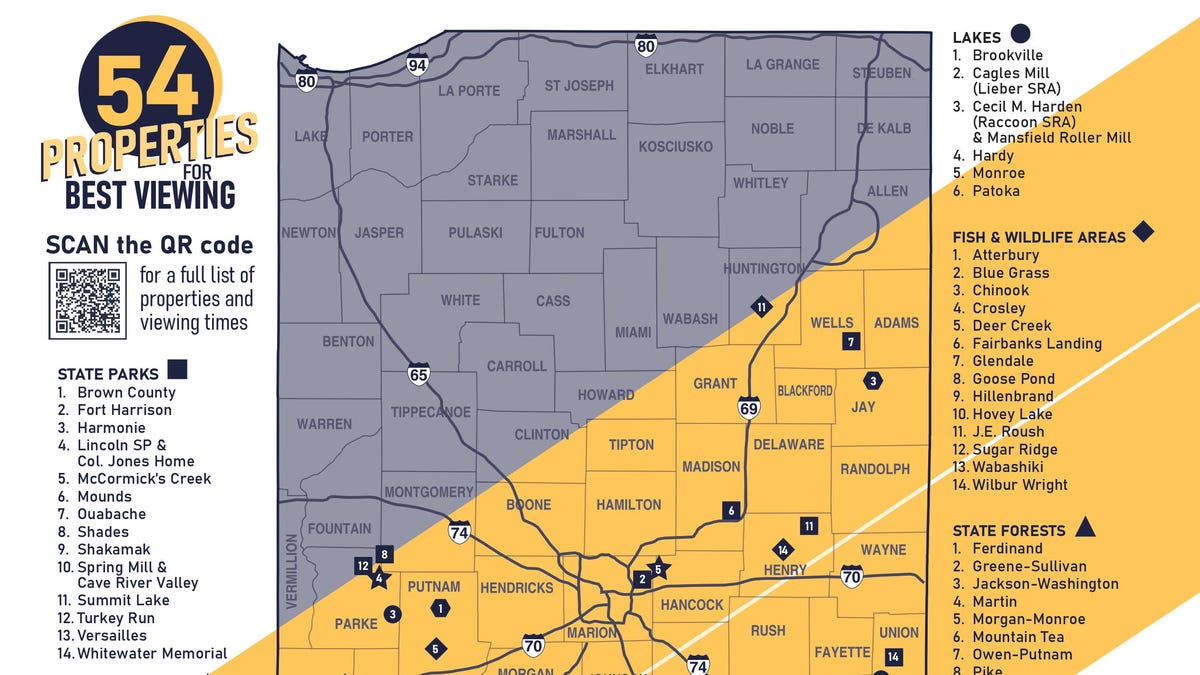
The April 8 solar eclipse will be visible in Indiana, with varying start and end times and durations of totality depending on the city. Indianapolis will experience totality from 3:06 p.m. to 3:09 p.m., while other cities like Anderson, Bloomington, and Carmel will also have their own specific timings for the eclipse. Some cities, like Noblesville and South Bend, will only see a partial eclipse.
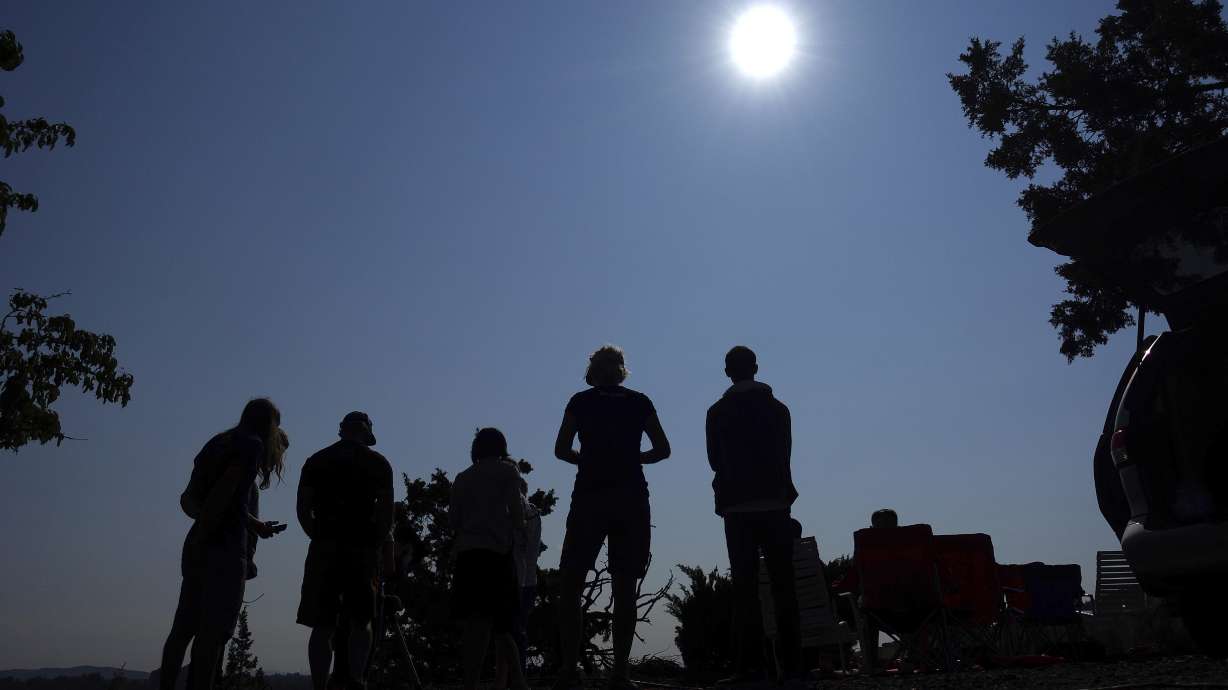
The April 8 total solar eclipse will be visible along a strip of North America, and people are making plans to ensure they have the best view. Weather will play a crucial role, with Mexico and Texas offering the best odds of clear skies. Eclipse chasers are advised to be flexible and monitor local weather forecasts, while some are making vacation plans to ensure the eclipse is not the sole highlight. Cities and towns along the eclipse path are organizing activities and watch parties to attract visitors, and there are various unconventional options to witness the event, including cruises, flights, and amusement park openings.
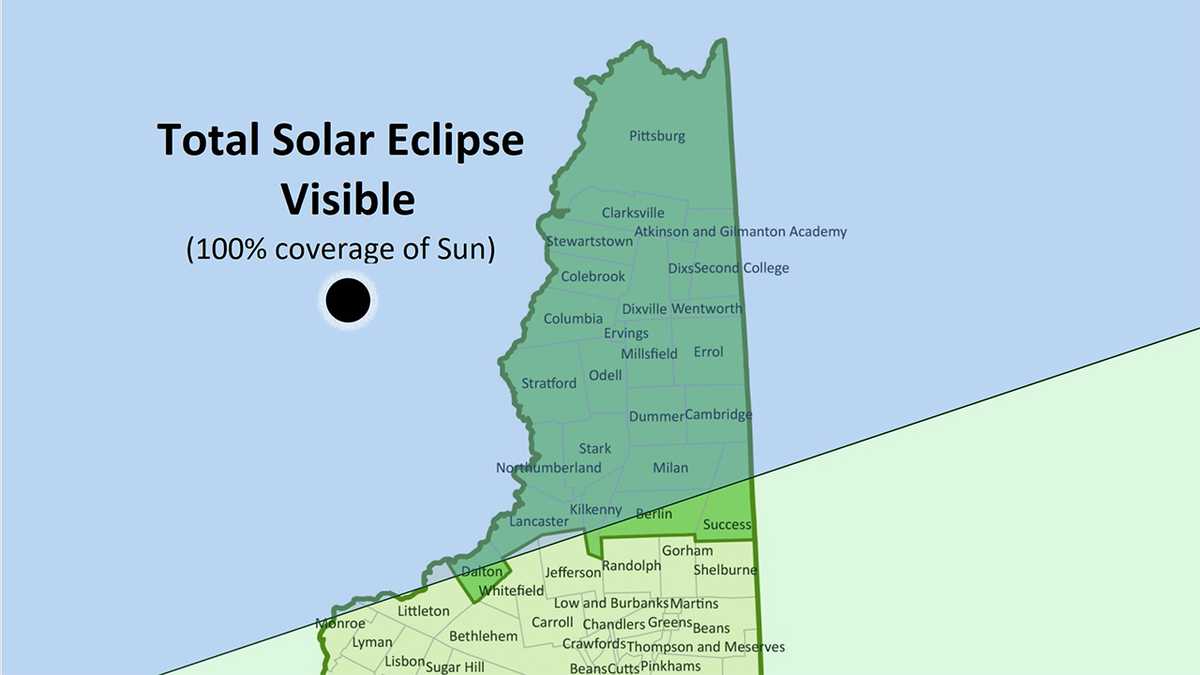
Several communities in New Hampshire, including Atkinson, Berlin, Colebrook, and Lancaster, will experience a total solar eclipse on April 8, with the Great North Woods being in the path of totality. The eclipse will begin in Pittsburg at 2:17 p.m., with totality starting at 3:28 p.m. and lasting for over 3 minutes. The rest of New Hampshire will see the sun about 95% covered during the eclipse.
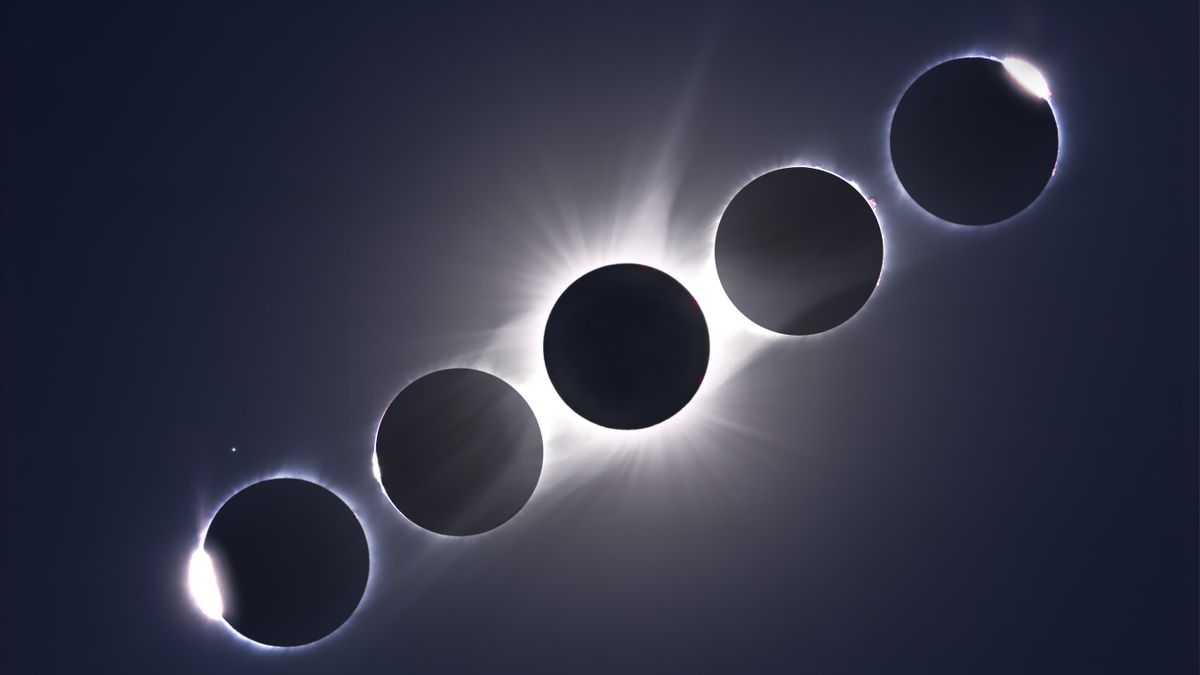
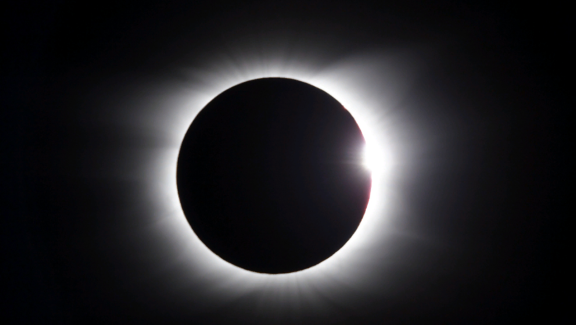
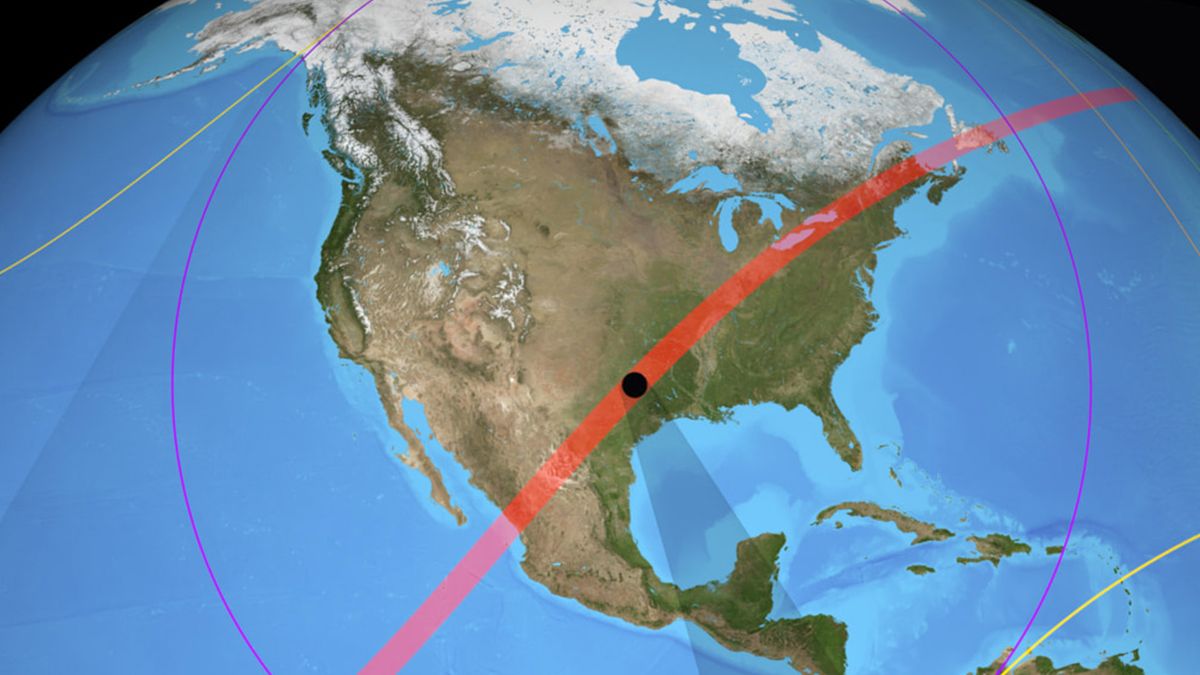
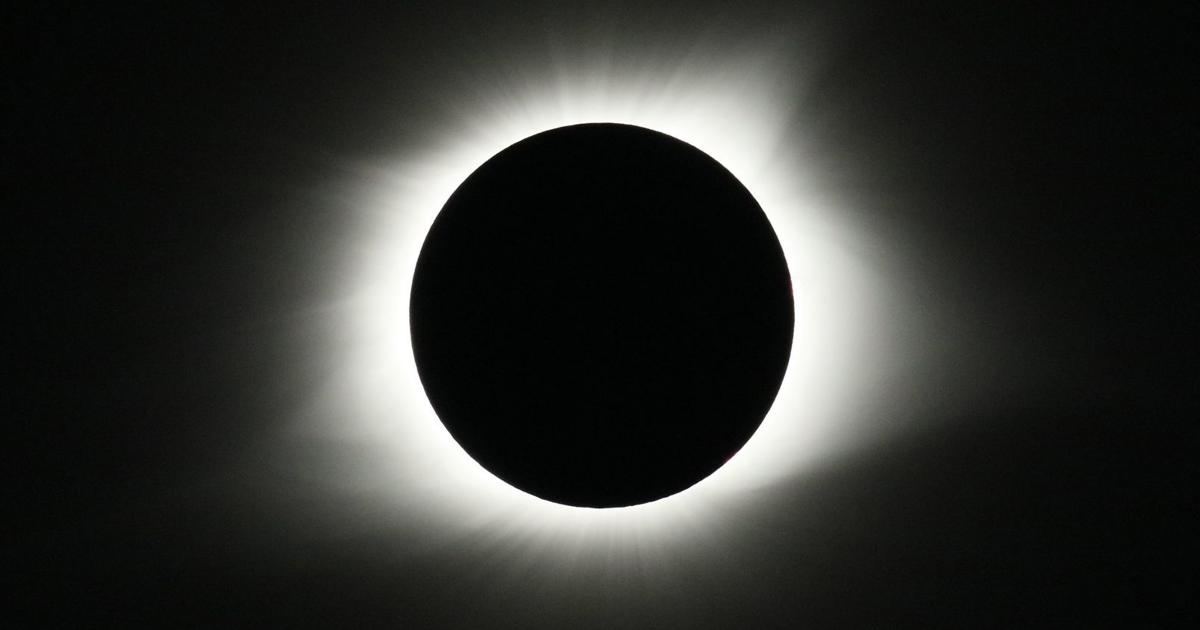
On April 8, 2024, a total solar eclipse will be visible from parts of North America, offering the chance to witness darkness in the daytime and view the sun's corona. The path of totality, the moon's moving shadow, will cross parts of Mexico, the U.S., and Canada, with the best spot for viewing being anywhere along the path with clear weather. The specific location within the path determines the duration of totality, with the maximum duration of 4 minutes and 28 seconds occurring in Nazas, Mexico.
A total solar eclipse is set to occur near St. Louis on April 8, 2024, with the immediate area experiencing about 99% coverage. To witness the total eclipse, individuals will need to travel slightly south or east to locations such as Park Hills or Ste. Genevieve in Missouri, or Red Bud, Sparta, or Nashville in Illinois. Totality can last from a few seconds to just over four minutes, and precautions should be taken to protect the eyes during the event. Total solar eclipses are rare, occurring over the same place once every 375 years on average.