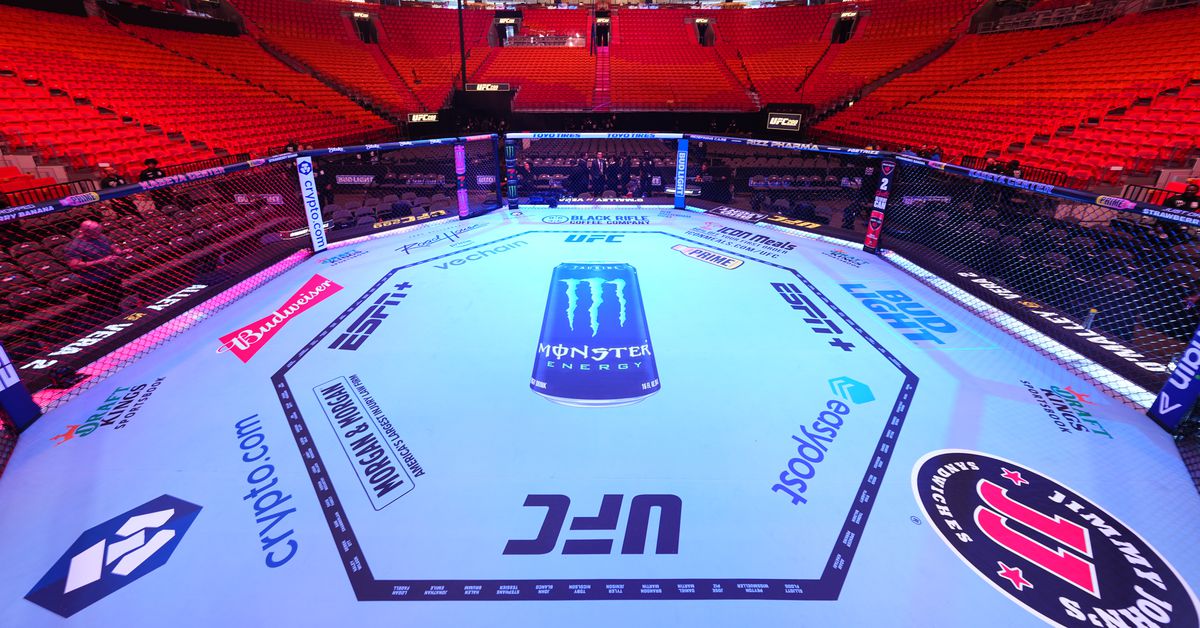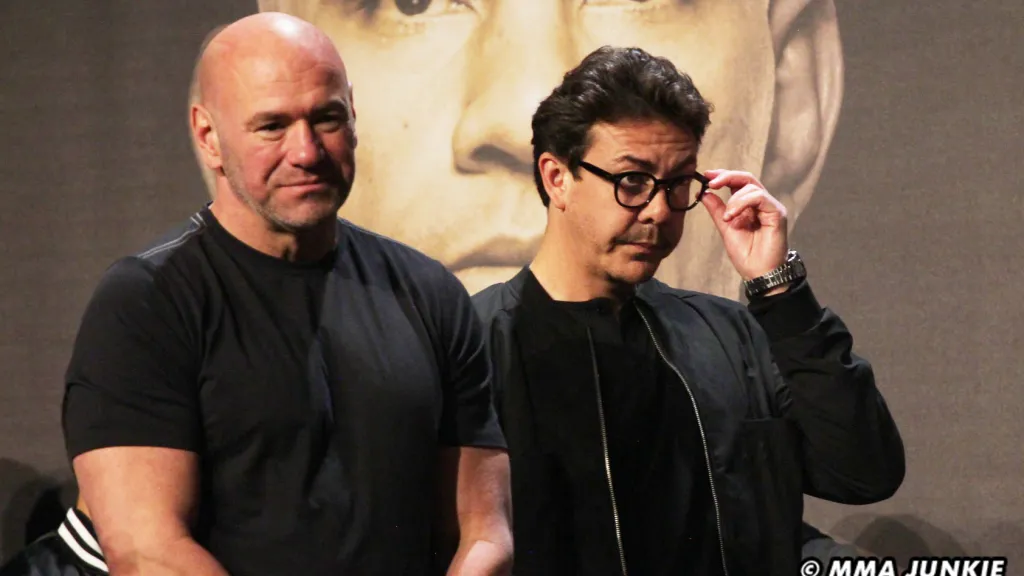
The UFC has reached a settlement in antitrust lawsuits with a group of former fighters, agreeing to pay $335 million in periodic installments. The lawsuits alleged violations of the Sherman Act and claimed that the UFC's contract structure and business practices suppressed fighters' abilities to negotiate and explore other promotional options. The settlement brings litigation to a close, benefiting all parties involved, and the final terms will be submitted to the court for approval.
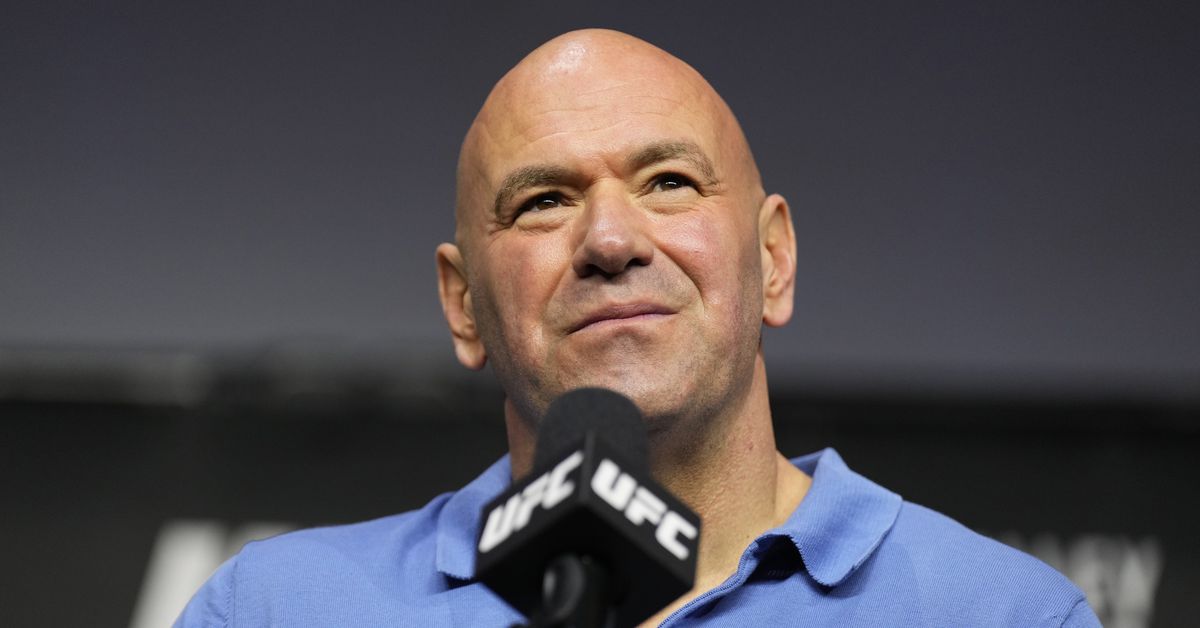
The parent company of UFC, TKO Group Holdings, has reached a proposed $335 million settlement to end long-running antitrust lawsuits, avoiding a trial and prompting mixed reactions from the MMA community. While some fighters see it as a win for the UFC, others express dissatisfaction and a desire for more transparency. The terms of the settlement have yet to be fully revealed, but the news marks a significant development in a story that could have potentially changed the MMA landscape.
The UFC's parent company has agreed to pay $355 million to settle antitrust lawsuits with past fighters, including Cung Le and Kajan Johnson, bringing an end to nearly a decade of legal battling. The settlement will need approval from the court before the matter is closed.
The National Association of Realtors has agreed to a seismic settlement, ending landmark antitrust lawsuits by paying $418 million in damages and eliminating rules on commissions, effectively dismantling the current homebuying and selling business model. This move is expected to reduce real estate commissions by 25% to 50%, opening up opportunities for alternative selling models. The settlement also aims to create a more competitive housing market by allowing realtors to compete on commissions and enabling buyers to shop around for lower-cost agents. The agreement, subject to a judge's approval, is set to bring sweeping reforms to the real estate industry, benefiting millions of Americans and addressing long-standing criticisms of the commission structure.
The landscape of college athletics is on the brink of a major transformation as the NCAA faces mounting legal challenges and a shifting power dynamic. Antitrust attorney Jeffrey Kessler and others are leading the charge, with recent court rulings and developments signaling a significant shift in the traditional model of college sports. The NCAA's grip on athlete compensation and regulations is loosening, with potential implications including increased player empowerment, unionization, and significant financial consequences for the NCAA. The future of college athletics appears to be heading towards a new era of player compensation and influence.