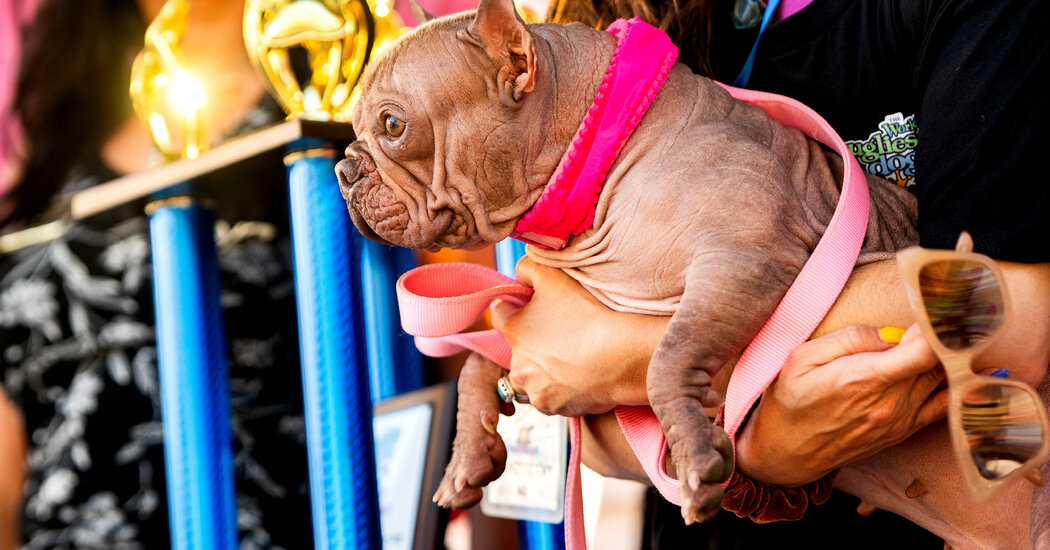
Petunia, a rescued hairless bulldog mix from Oregon, won the World's Ugliest Dog Contest at the Sonoma County Fair, emphasizing love over appearance as she was celebrated for her unique charm rather than traditional beauty.
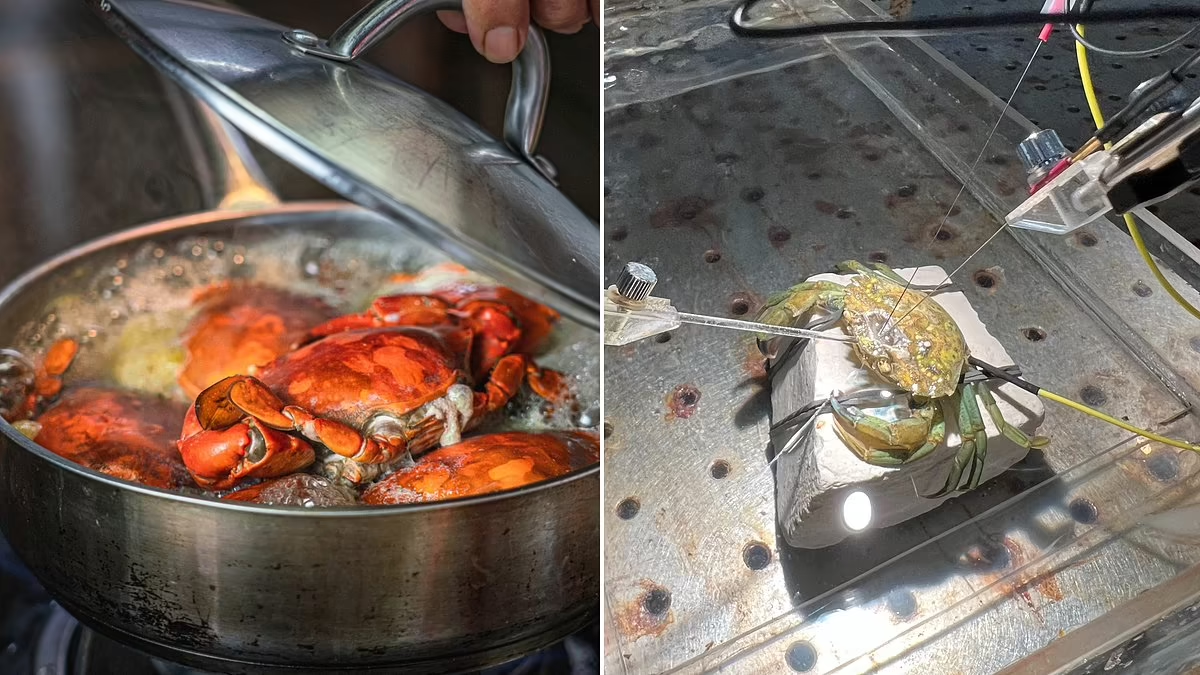
Scientists from the University of Gothenburg have discovered that crabs can feel pain, prompting calls for a ban on boiling them alive. The study used brain scans to show that crabs process pain similarly to humans, suggesting that crustaceans like crabs, lobsters, and shrimp experience pain. Researchers advocate for humane methods such as electro-stunning to kill crabs, as current EU laws do not protect crustaceans from painful deaths. The findings highlight the need for updated animal welfare legislation to include these animals.
Kohei Kirimoto, an 8th-generation Japanese lacquerware artisan, is searching for his missing cats in the aftermath of a devastating earthquake and fire that destroyed his workshop and the historic Asaichi market in Wajima, Japan. Despite the cultural and personal losses, including the impact on the town's recovery from COVID-19, Kirimoto's primary concern is for the well-being of his cats and the local feline community. The earthquake was the strongest to hit Japan since the 2011 Fukushima disaster, causing significant damage and loss of life.
Brighton, Colorado, is experiencing an outbreak of a mysterious illness affecting a high number of cats, with symptoms consistent with the feline panleukopenia virus (FPV). The Brighton Police Department and Brighton Animal Welfare are warning residents to keep cats indoors and to avoid shared resources for stray cats to prevent cross-contamination. FPV is highly contagious among cats and can be fatal, especially for kittens, though it is not transmissible to humans.
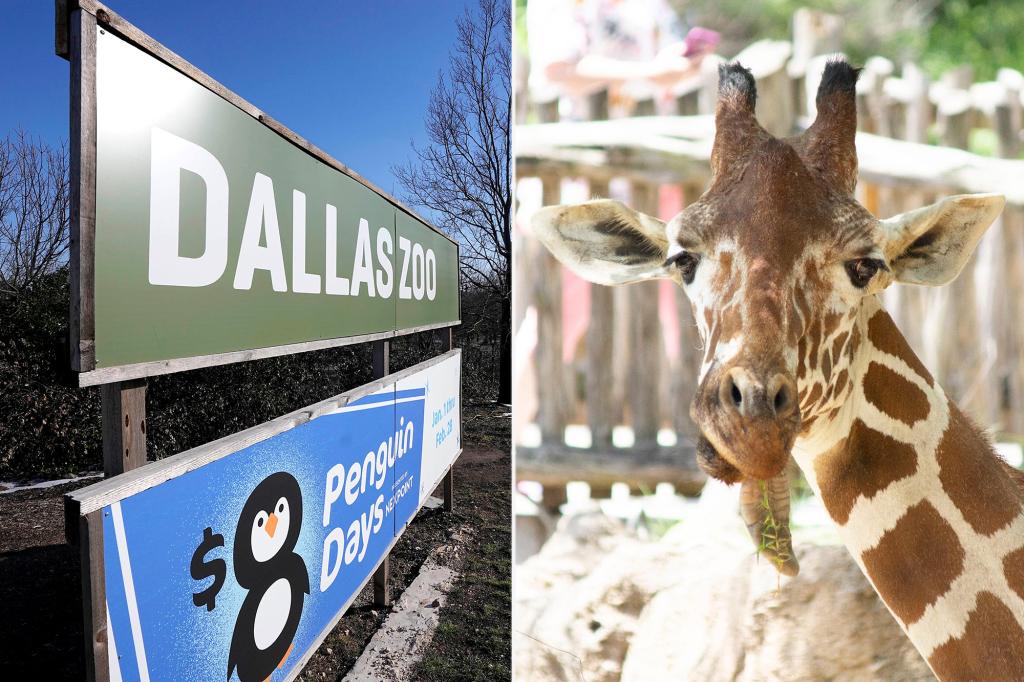
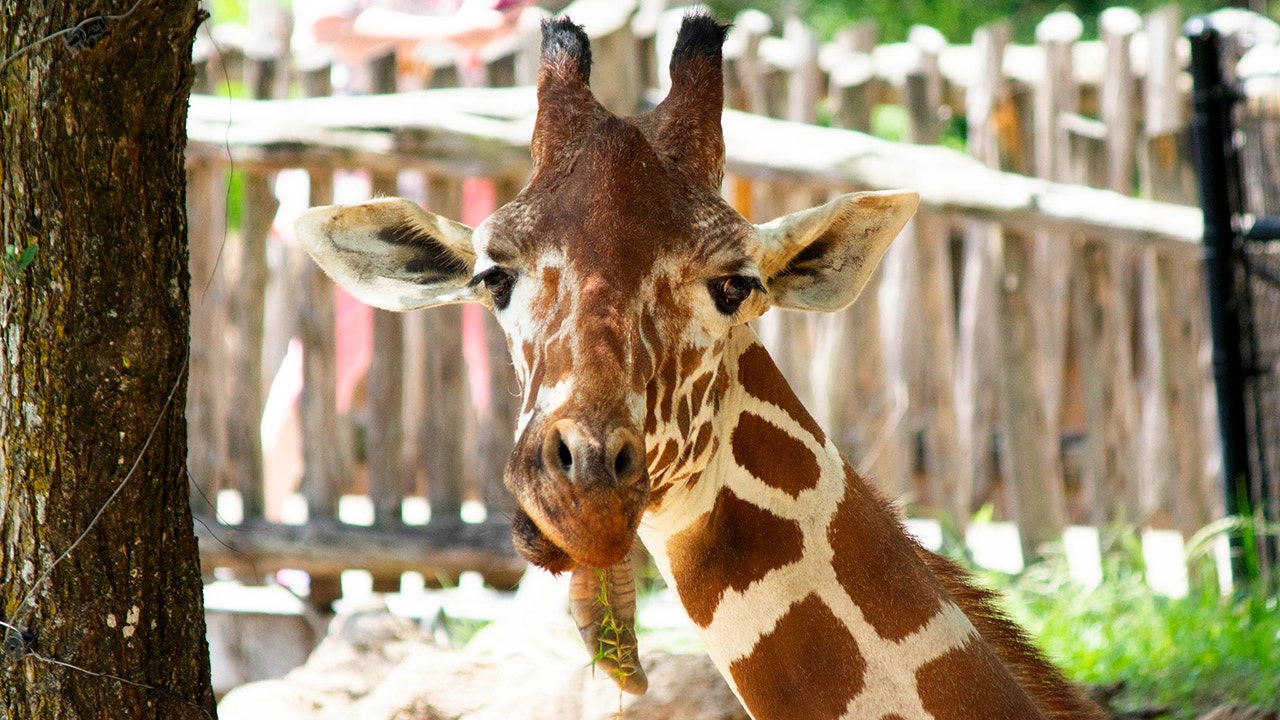
The Dallas Zoo had to make the difficult decision to euthanize a 15-year-old giraffe named Ferrell on New Year's Eve after he suffered an irreparable jaw dislocation from an unexpected fall. Despite efforts to treat him, the injury was too severe, and surgery could not fix the damage, which would have severely limited his ability to eat and significantly impacted his quality of life. The zoo staff is heartbroken over the loss of Ferrell, who had previously overcome a jaw injury 13 years ago but was unable to recover from this latest incident.
The Dallas Zoo had to make the difficult decision to euthanize a 15-year-old giraffe named Ferrell after he suffered an irreparable jaw injury from an unexpected fall. Despite efforts to treat him, including a surgical consult, the injury was too severe, with complications that would have severely limited his ability to eat and impacted his quality of life. This incident has deeply affected the zoo community, as Ferrell was a beloved animal who had previously overcome a jaw injury 13 years ago.
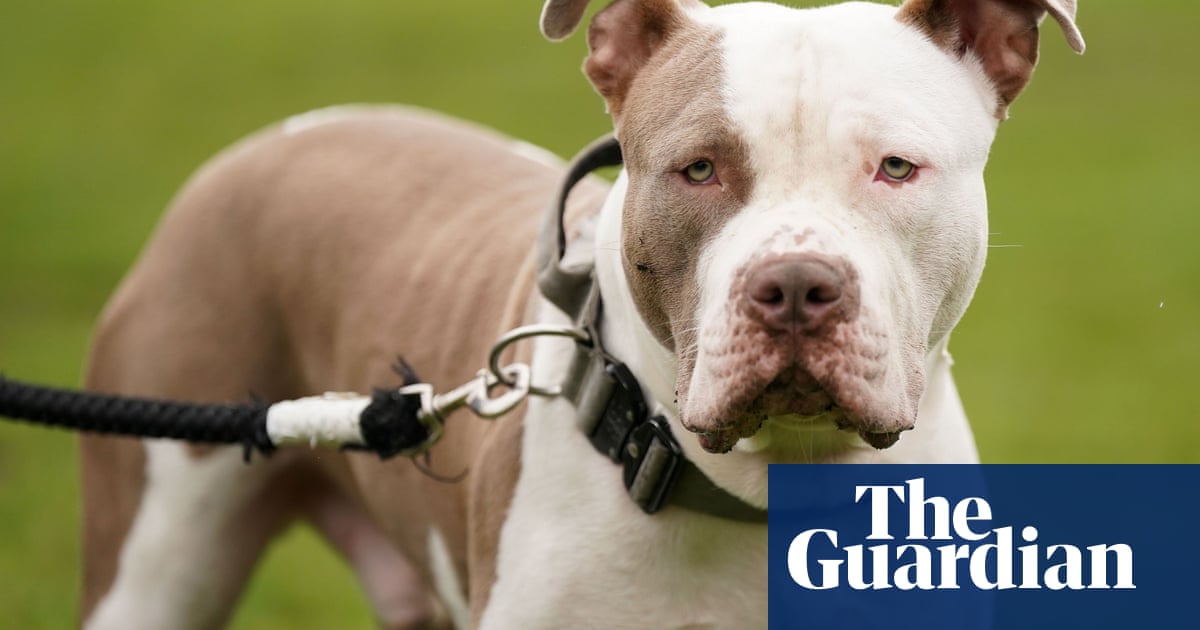
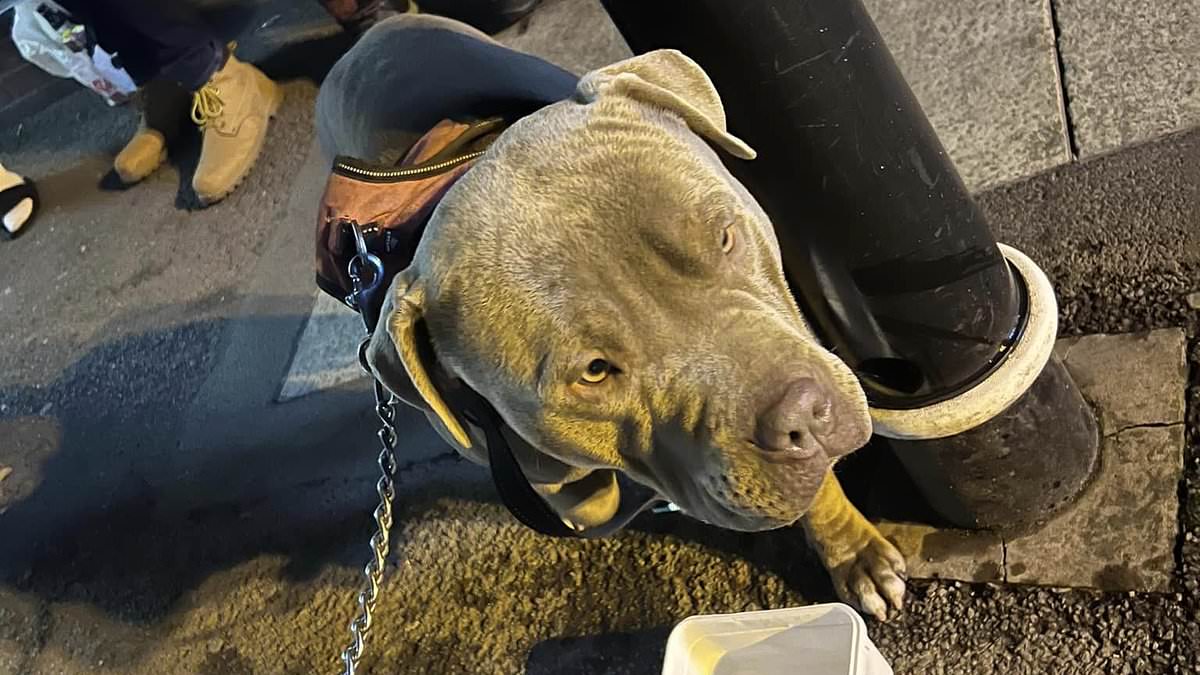
New legislation in England and Wales requires XL Bully dogs to be muzzled and on a leash in public, with breeding, selling, rehoming, and abandoning the breed now illegal. Despite the ban, some owners are struggling to adapt, with dogs resisting muzzles and others still attempting to rehome their pets illegally. Owners must apply for an exemption certificate by January 31 to legally keep their XL Bully dogs, and further restrictions will come into force on February 1. The law aims to protect the public following a series of attacks linked to the breed, but animal welfare groups express concern over the rapid implementation and potential consequences for animal shelters and veterinary services.
The UK government's ban on XL bully dogs has prompted a judicial review hearing set for January after campaigners challenged the new restrictions. The ban, which includes measures like mandatory muzzling and leashing in public, has been met with opposition from animal welfare groups like the RSPCA, who argue that the tight timeline and lack of preparation could lead to the euthanasia of many dogs. Owners have until January 31 to apply for a certificate of exemption to keep their pets legally. The ban was enacted following serious attacks involving the breed, with further restrictions to come into force on February 1.
The UK is facing a crisis as hundreds of American XL Bully dogs are being abandoned or sent to Scotland to avoid a ban on the breed, which comes into effect on December 31. The ban, announced by Rishi Sunak, follows a series of fatal attacks linked to the breed. Animal shelters are overwhelmed, and there are concerns about the government and police's readiness to enforce the ban. The RSPCA and other animal welfare groups are working hard to rehome the dogs before the deadline, but many may face euthanasia if homes are not found. The ban has sparked debate, with some arguing it unfairly targets a breed that can be safe with responsible ownership.
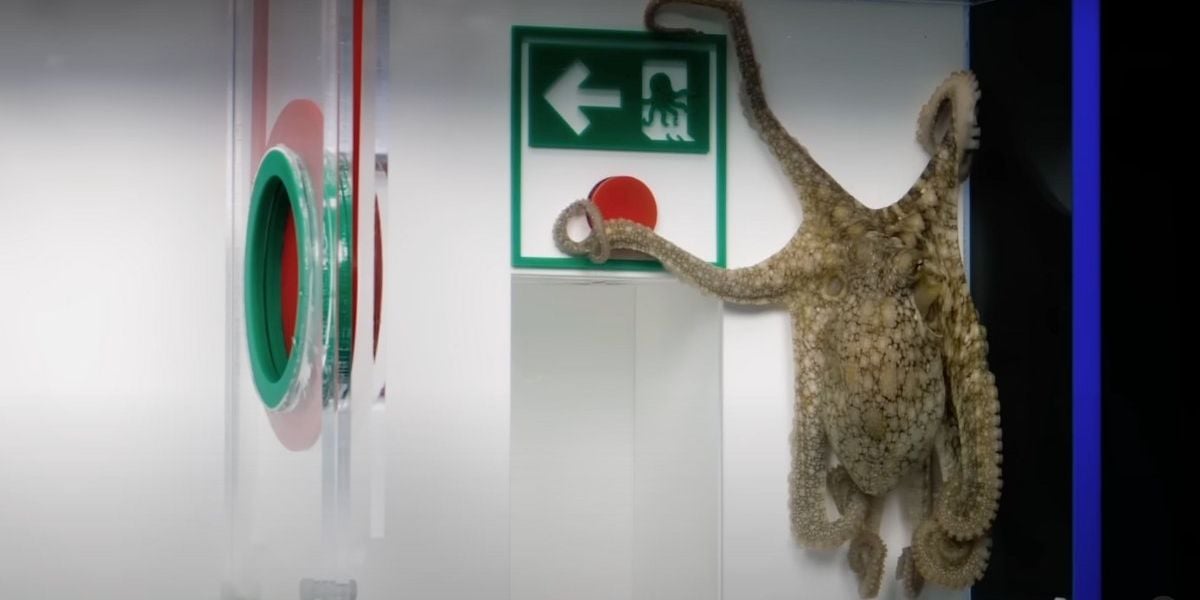
Mark Rober, a popular science and engineering YouTuber, constructed an underwater obstacle course to test the intelligence and survival skills of his pet octopus, Sashimi, before releasing her back into the wild. The course was designed to ensure Sashimi could hunt and feed herself after having been hand-fed in captivity. Sashimi successfully completed the maze, demonstrating her ability to adapt and solve problems, which led to her return to the ocean where she was originally captured. The story highlights the remarkable intelligence of octopuses and raises awareness about the ethical considerations of keeping wild animals as pets.