

Tag

Andean Volcanoes

All articles tagged with #andean volcanoes

science2 years ago

"Mice Mummies Unearthed on Martian Volcano Peaks: A Scientific Breakthrough"

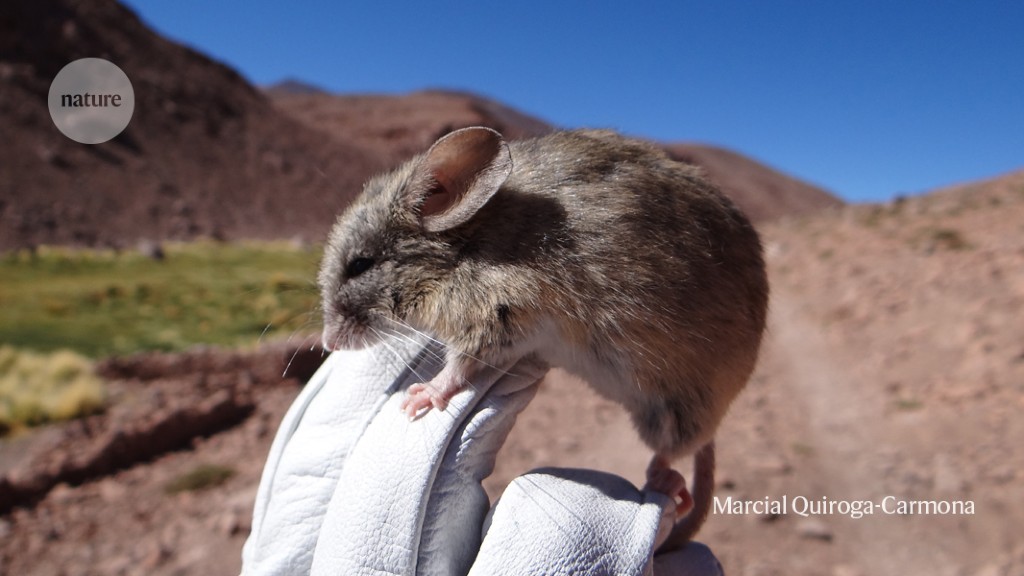
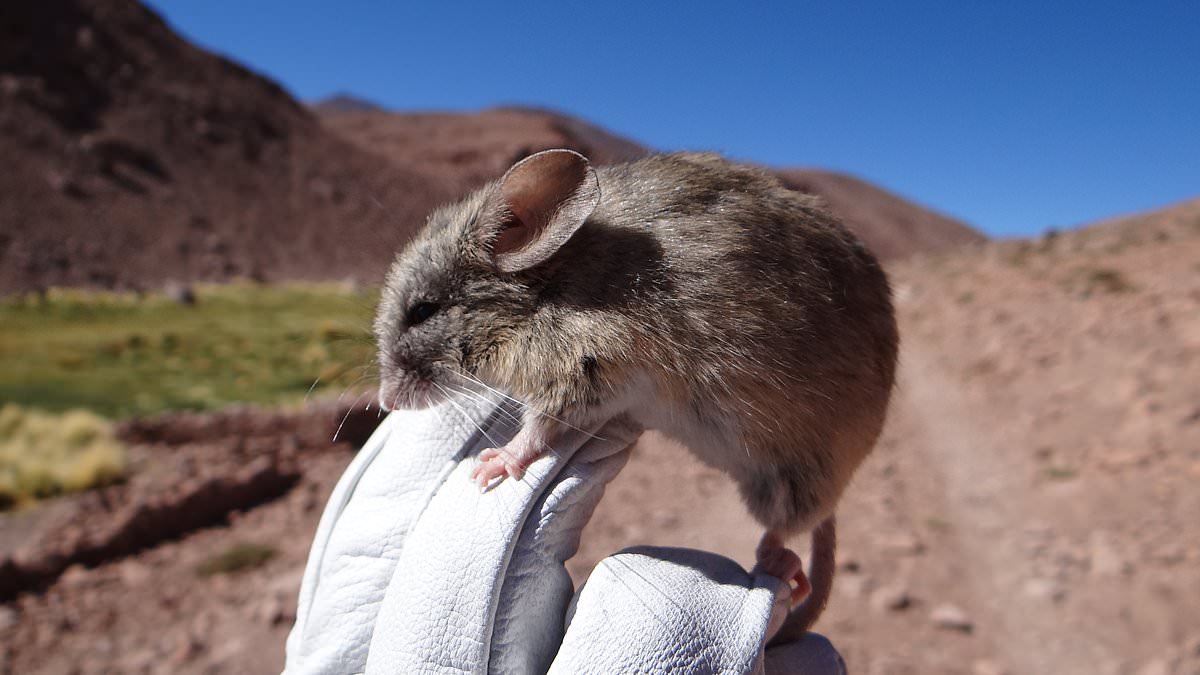
Researchers have discovered mummified mice on high-elevation Andean volcanoes, challenging the understanding of vertebrate life's physiological limits. The mice were found on barren, Mars-like peaks exceeding 6,000 meters, previously thought to be inhospitable for mammals. The discovery prompts further research into the survival mechanisms of these mice and raises questions about how they can thrive in extreme conditions with low oxygen levels and freezing temperatures. Ongoing investigations aim to uncover the physiological traits that enable these mice to survive in such environments.
science2 years ago

Mummified Mouse Discoveries Challenge Survival Expectations

Researchers have discovered naturally mummified leaf-eared mice at the tops of Andean volcanoes in Chile and Argentina, challenging previous assumptions about species adaptability to extreme environments. The freeze-dried mice, some possibly centuries old, suggest that these mice spend extended periods in the hostile conditions. Analysis of their genomes revealed communities of mice living at the summits, and stomach content analysis may provide insights into their food sources. The findings highlight the underestimated abilities of mammals to survive and function in extreme conditions.

science2 years ago

Mummified Mice Found atop Andean Volcanoes: A Puzzling Discovery

Scientists have discovered the mummified remains of 13 mice at the tops of three 20,000ft Andean volcanoes, a location with freezing temperatures and low oxygen levels. Initially, it was thought that the mice were brought up by Incan pilgrims, but a new study suggests that the rodents climbed the volcanoes on their own. DNA analysis confirmed that the mice were the same species found at lower altitudes. The researchers are unsure why the mice climbed the volcanoes, but the findings could provide insights into how animals survive in extreme environments, potentially relevant for future missions to Mars.