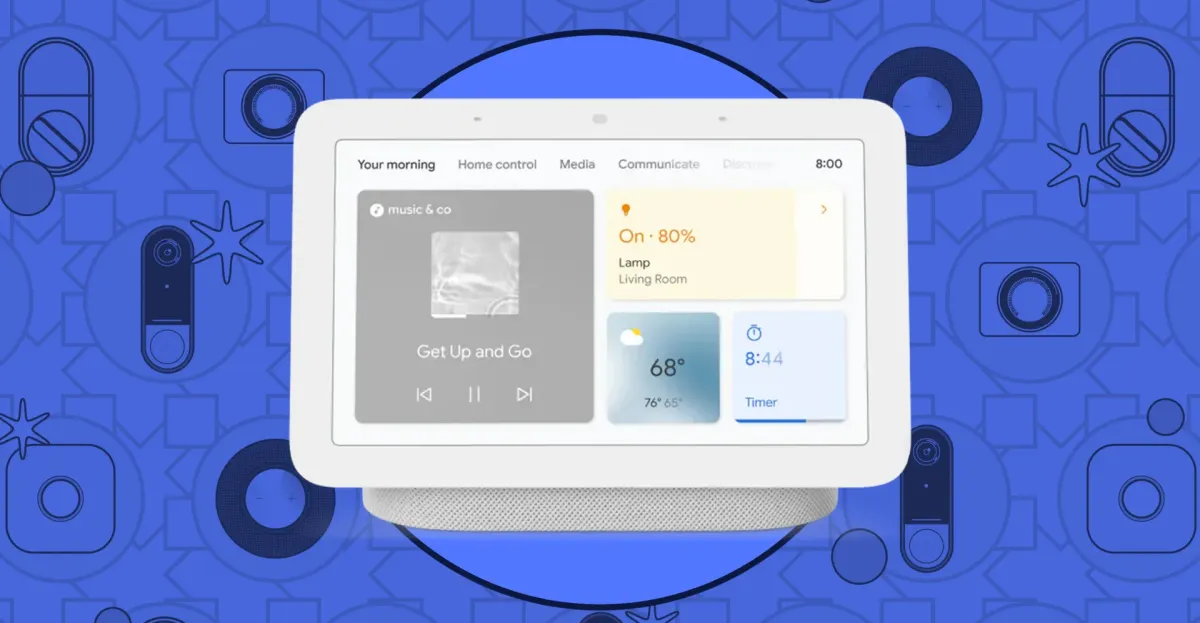
Google is launching 'Gemini for Home,' a new AI-powered voice assistant that will replace Google Assistant on Nest devices, offering more natural interactions, better context understanding, and advanced capabilities, with a rollout starting in October and potential new hardware to follow.
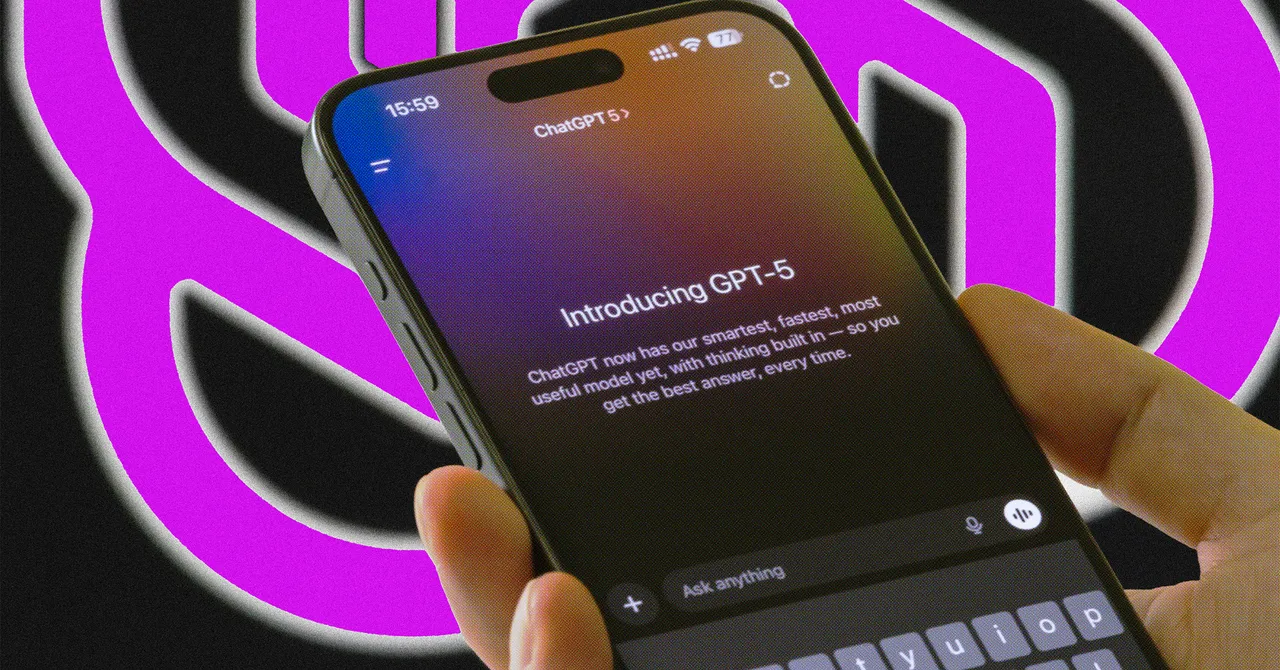
OpenAI's GPT-5 release was intended as a major upgrade but faced backlash from users who felt it was a downgrade, citing issues like a diluted personality and dumb mistakes, prompting OpenAI to scramble for updates.
Apple's significantly upgraded Siri, capable of handling complex app interactions through the new App Intents feature, is expected to be released in spring 2024 after delays and testing with both Apple and third-party apps, aiming to enhance user interaction beyond basic commands.
OpenAI has launched GPT-5, the latest and fastest version of its AI model powering ChatGPT, which is now free for all users and offers improved multimodal capabilities and vibe coding, marking a significant step towards artificial general intelligence (AGI).
Claude Opus 4.1 is an upgraded AI model that enhances coding, reasoning, and research capabilities, now available to paid users and on major cloud platforms, with significant performance improvements especially in code refactoring and debugging.
OpenAI is expected to launch ChatGPT-5 in August 2023, featuring major upgrades in reasoning, memory, and multimodal capabilities, potentially transforming user interactions with AI and intensifying competition in the AI space.
Google is upgrading Gmail and Android with AI features that access user content, raising privacy concerns. While Google claims recent updates improve user privacy by disabling review of interactions when Gemini Apps Activity is off, interactions are still stored for 72 hours. Users are advised to carefully consider these changes and demand clearer privacy options.
Apple plans to release a revamped Siri with deeper integration and multi-step capabilities in iOS 26.4, expected around March 2026, after multiple delays due to engineering issues and internal restructuring, with future plans for a more advanced, proactive digital copilot.
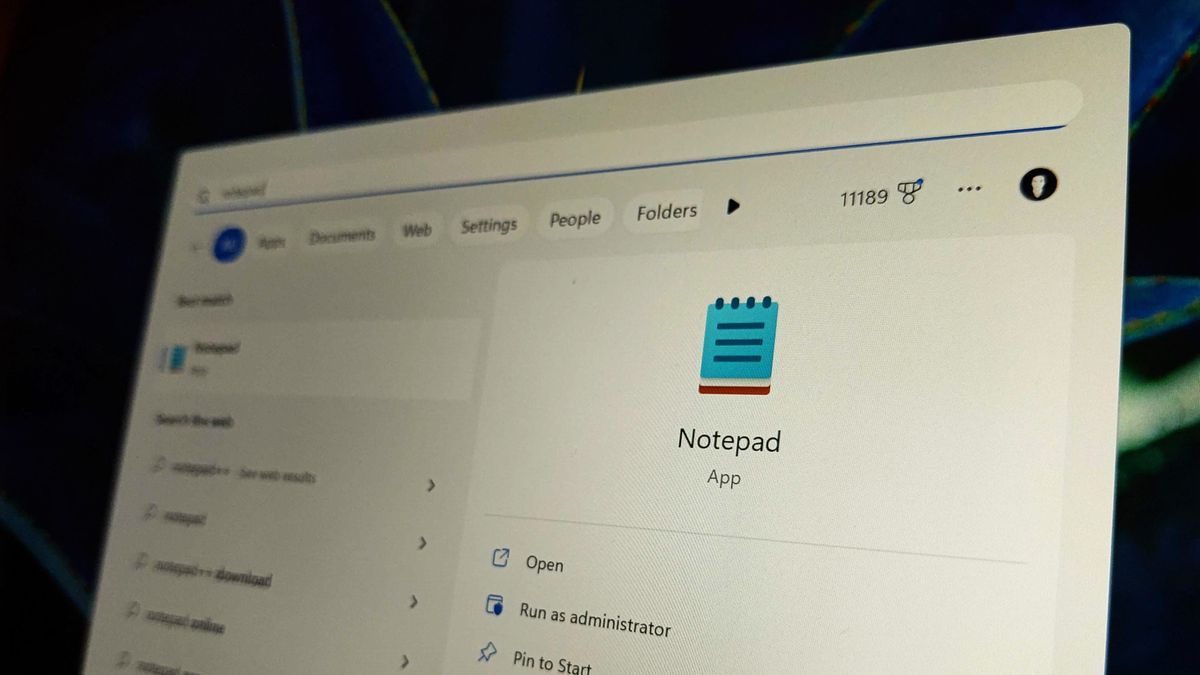
Microsoft is integrating its AI-powered Copilot into the Notepad app on Windows 11, allowing users to analyze and break down highlighted text. This new "Explain with Copilot" feature is available for testing by Windows Insider members and marks the first instance of Microsoft integrating Windows Copilot into in-box apps. Additionally, a leaked preview suggests that Microsoft is also working on bringing its AI-powered Cowriter to Notepad, enabling it to write entire text documents based on user criteria.
Google is set to introduce a significant AI upgrade for Android users, integrating its advanced language model (LLM) directly into the Messages platform to assist with writing messages, translating languages, identifying images, and exploring interests. This move aims to revolutionize the way users interact with their smartphones and messaging apps, potentially opening up new advertising-driven AI search opportunities. While this promises enhanced functionality, concerns about privacy and data usage persist, with the update expected to roll out sometime in 2024.
Google Maps is receiving a significant AI upgrade with five new features. These include Immersive View, which provides a 3D street-level view of routes and surroundings, and Google Maps Search, which uses AI to offer personalized location suggestions. The AI enhancements also improve lane guidance and traffic information in Google Maps Navigation, and provide more information on EV charging stations. Additionally, the app's AR feature, now called "Lens in Maps," uses AI to recognize and label objects and places in the camera view, overlaying information and directions using augmented reality. However, users should be aware of the amount of personal data collected by Google Maps.