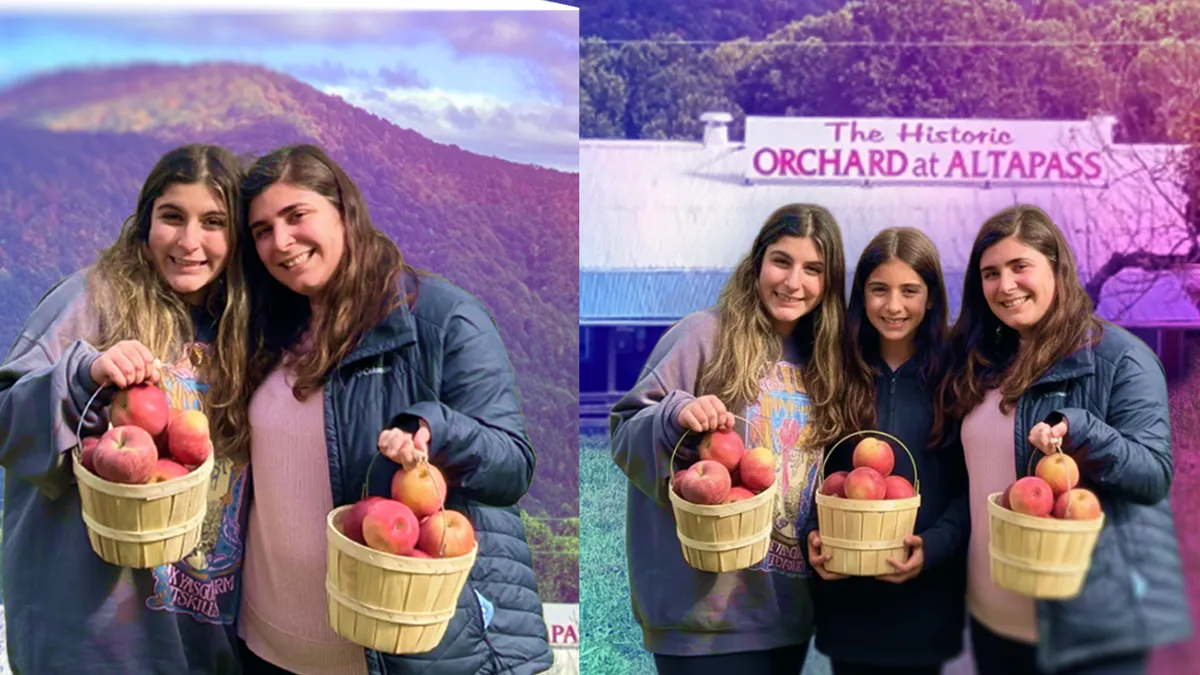
Gemini's Nano Banana AI image editor offers a user-friendly and effective way to make quick edits to images, such as removing unwanted elements, adding content, creating filters, visualizing changes, and removing reflections. While it excels in ease of use and quality for casual edits, it has limitations like low resolution and some quality issues, making it less suitable for professional photography. Compared to Adobe's tools, Nano Banana performs better in AI-based edits but lacks advanced photo editing features.
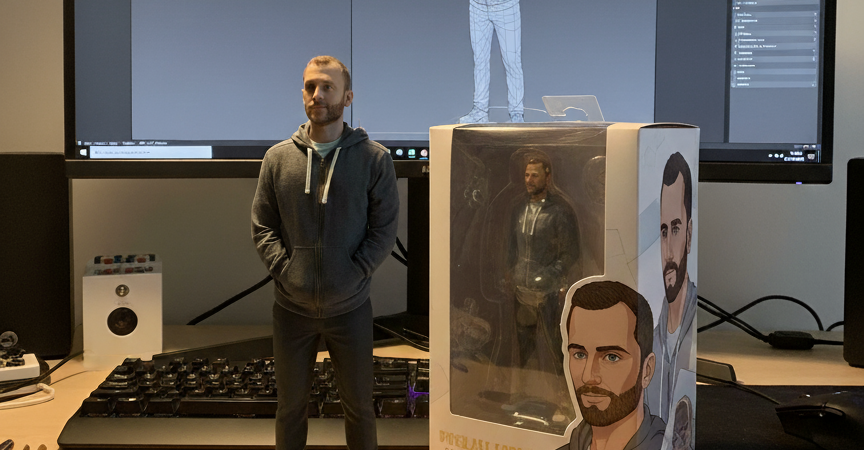
Google's Gemini app, featuring its Nano Banana image editor, has rapidly gained popularity due to its ability to easily transform images, especially creating realistic 3D figurines of users and pets, leading to a surge in downloads and usage, and surpassing ChatGPT in some app stores.
Google's Gemini 2.5 Flash Image, dubbed 'nano bananas,' offers quick and impressive AI-driven image edits, especially in element addition and character consistency, but struggles with resolution, dimension adjustments, and precise edits, indicating it’s best for quick, large edits rather than detailed photo manipulation.
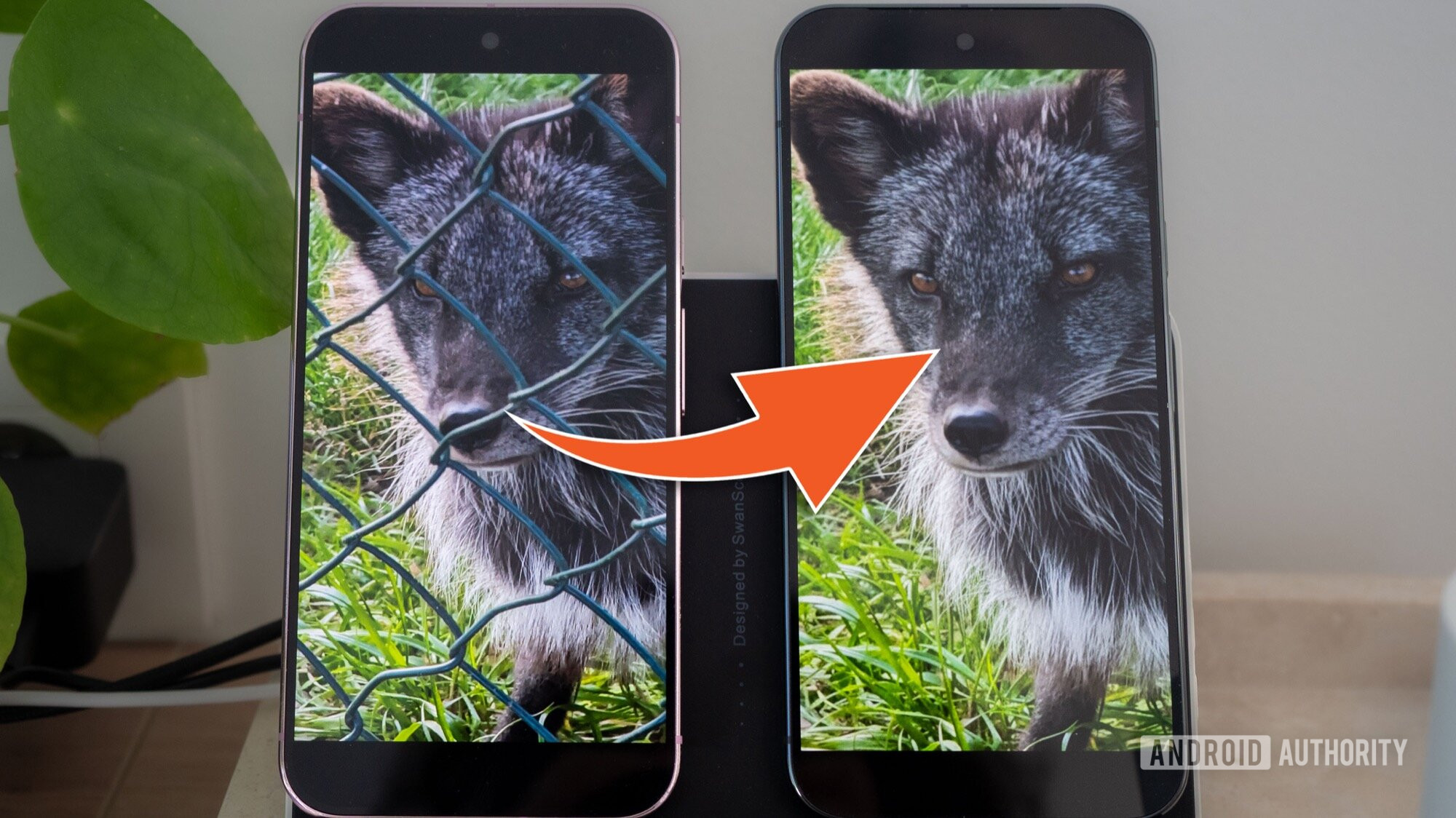
Google Photos has finally introduced AI-powered tools to automatically remove fences and other distractions from photos, with impressive results, especially on Pixel 10 using Help Me Edit. For non-Pixel users, Gemini's Nano Banana offers a similar, though less precise, alternative worldwide. These tools mark a significant advancement in photo editing technology, enabling users to effortlessly enhance their images.
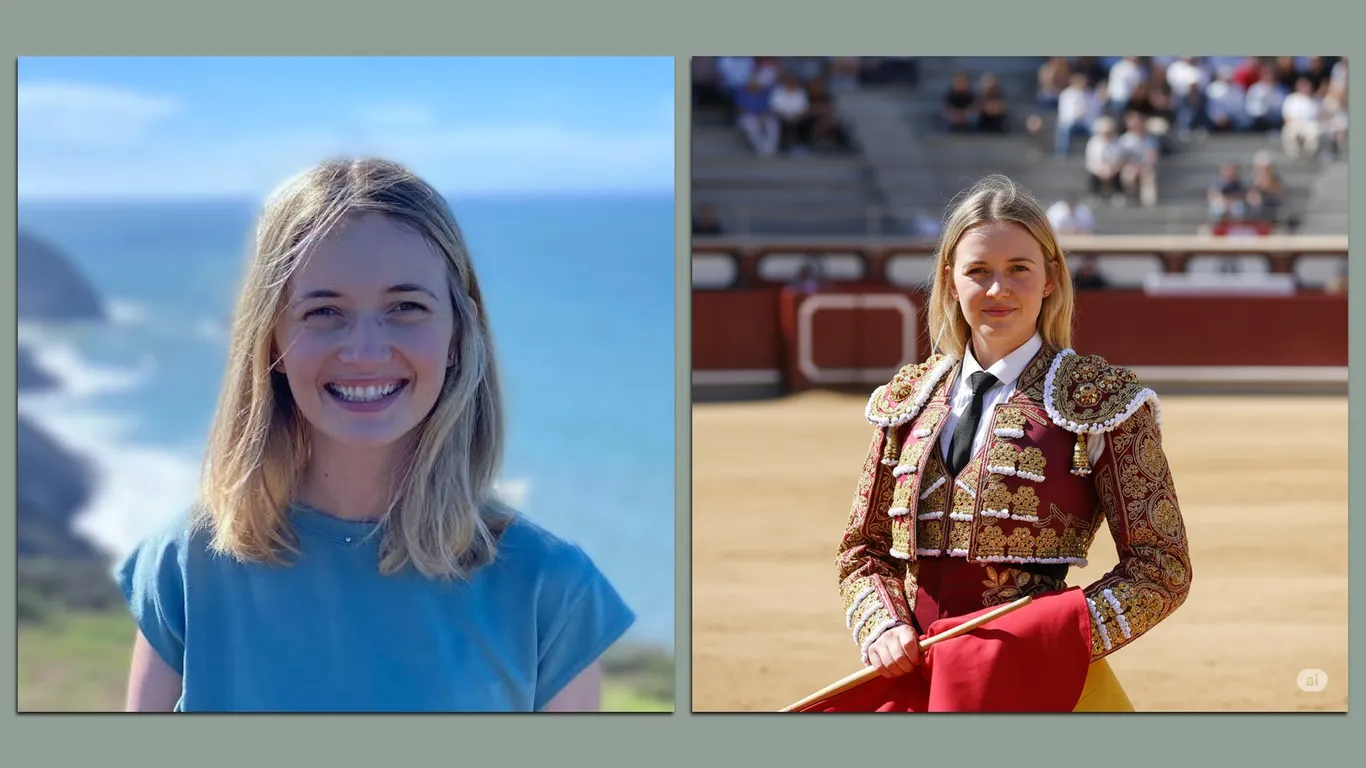
Google DeepMind's new Gemini Flash 2.5 Image model enables quick and realistic photo edits through simple prompts, allowing users to manipulate images with high fidelity, but raising concerns about potential misuse and the difficulty of detecting AI-generated manipulations.
Google has announced Nano Banana, an AI image editing tool integrated into its Gemini app, capable of generating and refining images from text or existing photos with high accuracy, especially in multi-step edits, raising both innovative possibilities and concerns over deepfakes.
Google has announced Gemini 2.5 Flash, an advanced AI image editing model that rivals and potentially surpasses existing tools like Photoshop, posing a significant threat to traditional software companies like Adobe. The model is praised for its ability to maintain likeness consistency and make precise edits, and is available for both consumers and professionals, with Adobe integrating Google's model into its own suite to stay competitive.
OpenAI's DALL-E now allows users to edit images generated by the technology, providing preset style suggestions and tools for fine-tuning outputs across web, iOS, and Android. This update aims to lessen the prompt engineering burden among users and enhance creativity. Additionally, Microsoft is addressing user complaints about Copilot AI by introducing new tools to prevent prompt injection attacks and offering training videos to improve prompt engineering skills.
OpenAI has released an editor interface tool for DALL-E images, allowing users to make edits by describing changes in text prompts, either by highlighting specific parts of the image or making general edits in the chat sidebar. This move comes as AI-generated images become more prevalent, with competition from other AI image generators like Microsoft's Copilot and Google's Gemini. OpenAI is also expanding into multimedia with the announcement of its video generator Sora and a voice creator called Voice Engine.
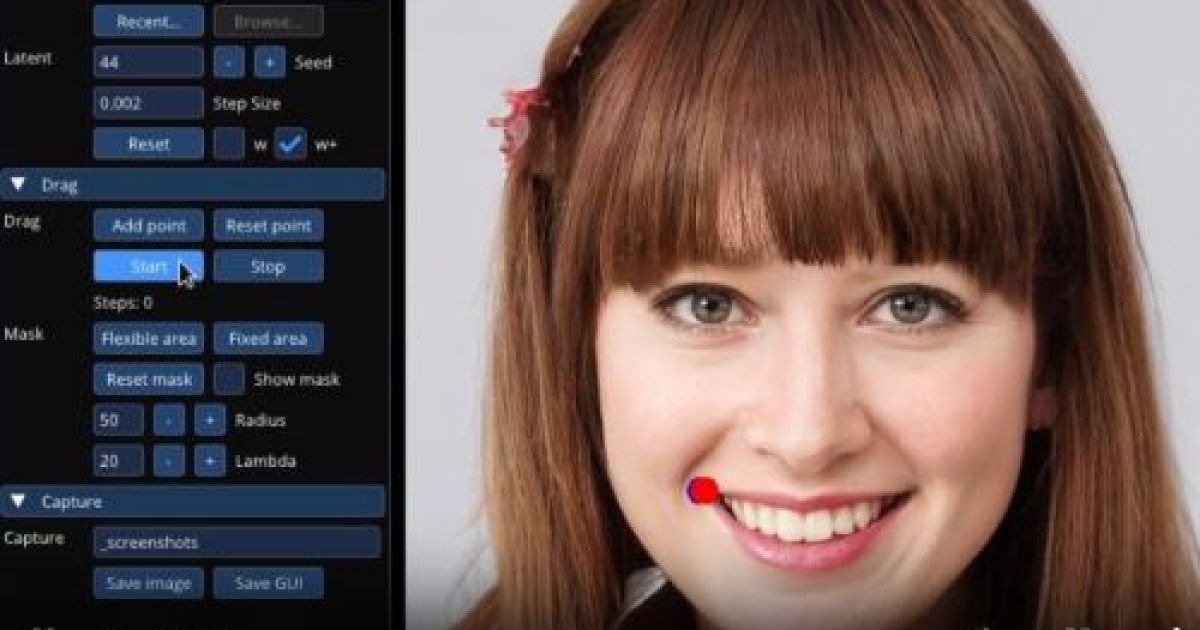
DragGAN, a new tool based on Generative Adversarial Network (GAN), allows users to edit an already-generated image to their specifications, such as changing the dimensions of a car or manipulating a smile into a frown with a simple click and drag. The tool can even rotate 3D images and regenerate the underlying object, making it more powerful than the Warp tool in Photoshop. The potential of such a tool lies in the fact that text-to-image generative AI doesn’t always output what you might want.