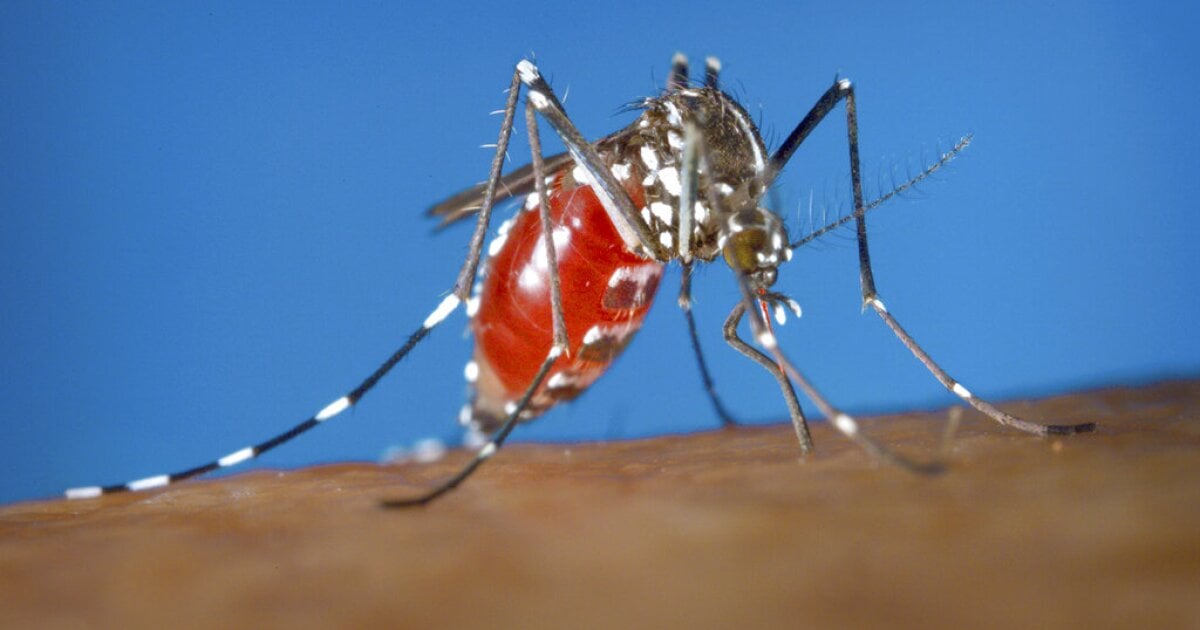
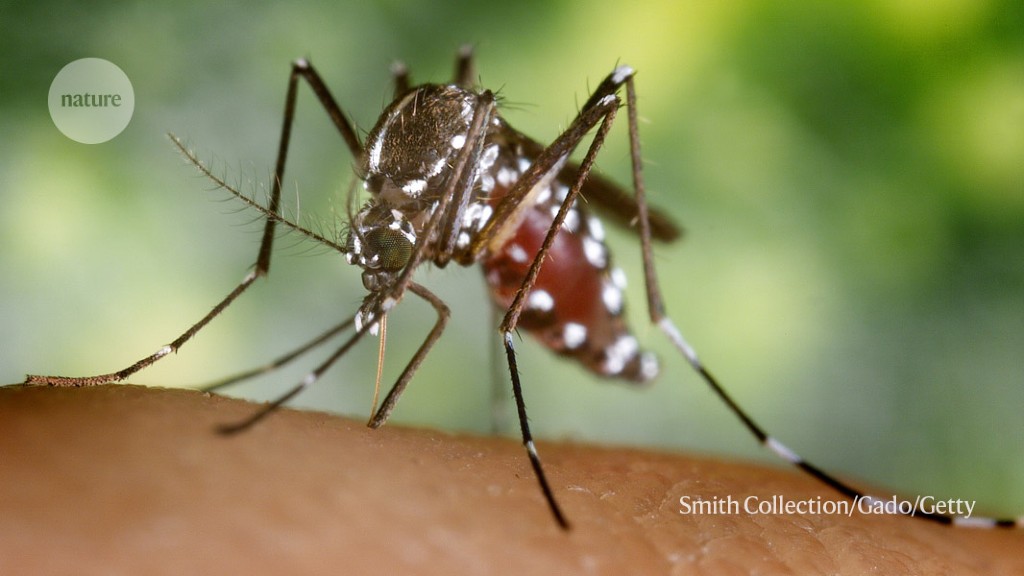
Michigan officials are monitoring the invasive and aggressive Aedes albopictus mosquito, also known as the Asian tiger mosquito, which bites during the day and can carry viruses like West Nile, dengue, Zika, and chikungunya, though the current disease risk is low. Preventative measures include eliminating standing water and using repellents.
Dengue, a mosquito-borne disease typically found in tropical regions, is spreading in parts of southern Europe due to a combination of warm weather conditions, an increase in imported cases, and the presence of Aedes albopictus mosquitoes capable of transmitting the virus. As of October, locally transmitted cases have been reported in Italy, France, and Spain. While the incidence of dengue in Europe is currently sporadic and seasonal, experts believe it is unlikely to become endemic. Climate change and the adaptability of Aedes albopictus mosquitoes contribute to the spread of the disease. Dengue is also on the rise globally, with efforts to combat outbreaks including the introduction of Wolbachia-infected mosquitoes. However, the presence of two strains of Wolbachia in Aedes albopictus poses challenges to this approach.