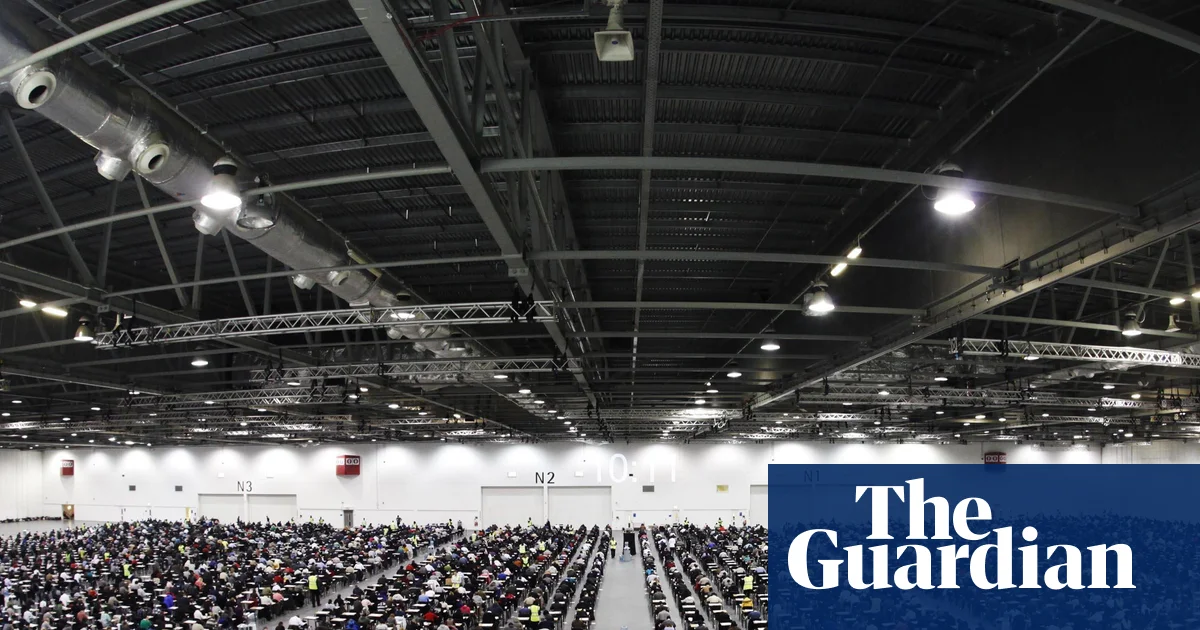
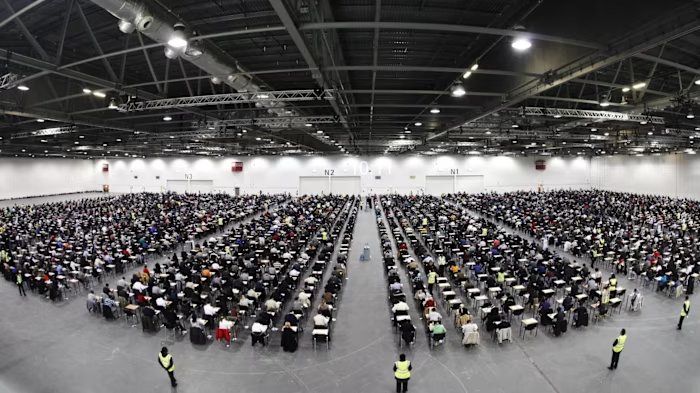
The UK's largest accounting body, ACCA, will cease allowing remote exams from March due to rising AI-assisted cheating, citing the difficulty in policing online tests and the rapid technological advancements that outpace safeguards.
The ACCA is ending remote exams due to rising cheating concerns, especially with advances in AI, and will require in-person assessments, while also updating its curriculum to include emerging technologies like AI and blockchain.
Wei Khjan Chan, an accountant with nearly 20 years of experience, learned vibe coding to leverage AI tools for automating tasks and staying relevant in his profession, advocating for broader AI training in accounting to address workforce shortages.
PwC predicts that within three years, entry-level accountants will take on managerial roles by overseeing AI-driven audit tasks, prompting a shift in training focus towards foundational skills and critical thinking to adapt to automation and AI integration in the industry.
Senate Republicans are using a controversial accounting tactic to significantly reduce the estimated cost of their domestic policy bill by changing the baseline for budget calculations, which has sparked opposition from Democrats and raised concerns about precedent and fiscal transparency.
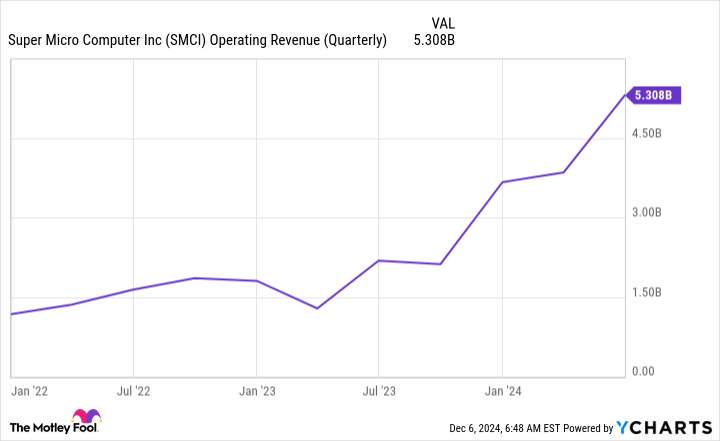
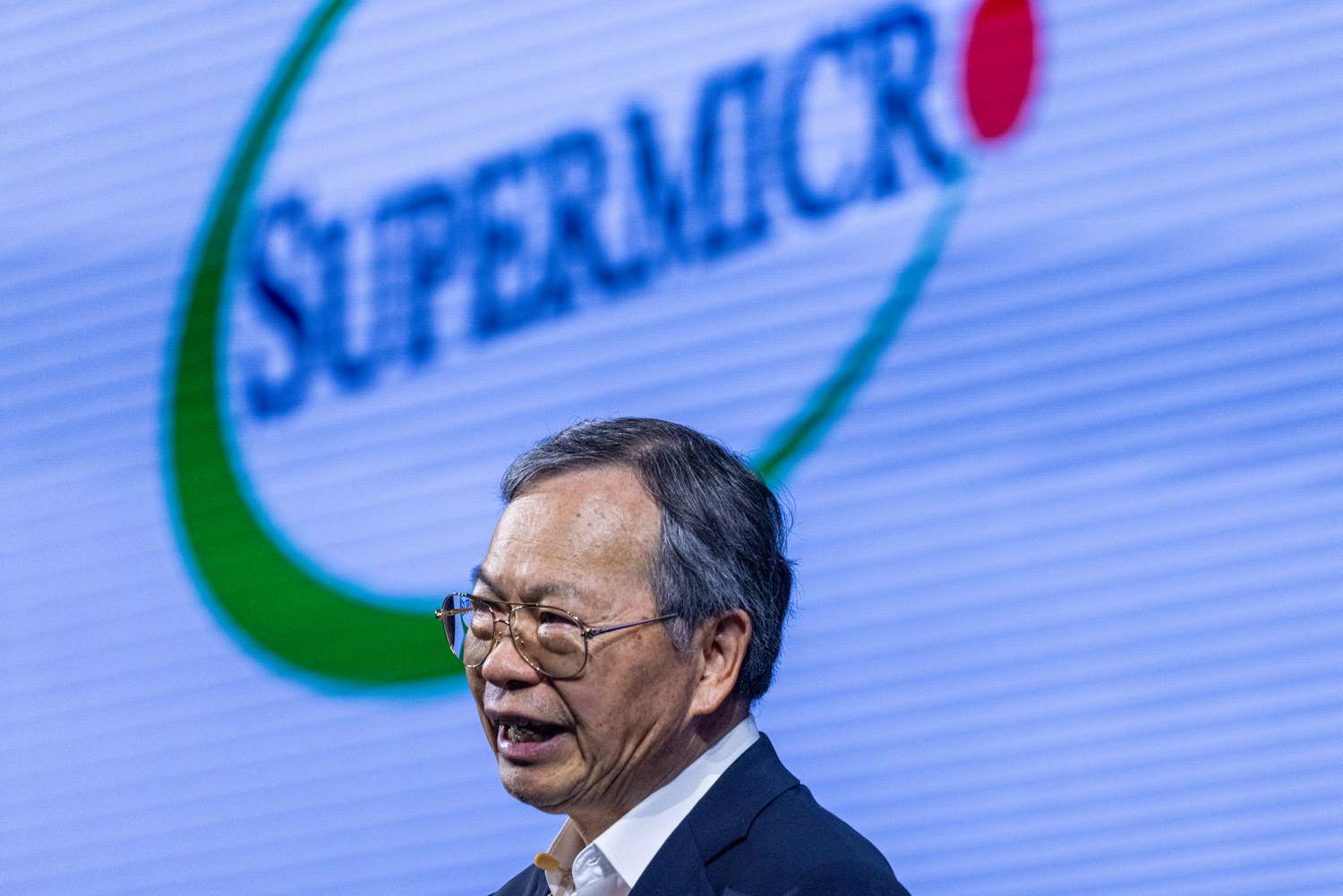
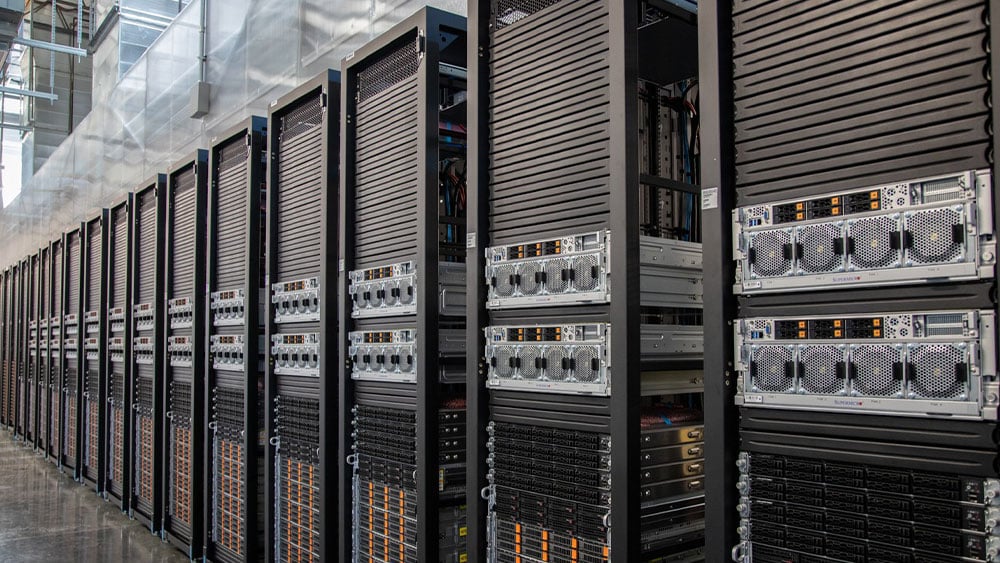
Super Micro Computer's stock has experienced significant volatility in 2024, initially soaring due to high demand for its AI server components, similar to Nvidia. However, allegations of accounting fraud and subsequent investigations led to a sharp decline. A special committee found no wrongdoing, leading to a partial recovery, but the stock remains below its peak. Investors are now questioning if it can regain its previous highs.
Super Micro Computer (SMCI) received an extension from Nasdaq to submit key financial filings, boosting its stock by nearly 10%. The company, a partner of Nvidia, now has until February 25 to file its 10-K and 10-Q reports, avoiding a potential delisting. This follows a significant stock rebound after hiring a new auditor and an independent committee finding no wrongdoing, despite previous accounting concerns and an SEC probe.
Super Micro Computer's stock surged by 20% after an independent investigation found no wrongdoing in its accounting practices, despite concerns raised by its former auditor, EY. The probe concluded that the issues did not compromise the integrity of the company's financial statements, and no restatements are expected. However, the report recommended replacing CFO David Weigand, a process that is currently underway. The company's shares have been volatile but are up nearly 40% year-to-date.
Macy's has delayed its quarterly earnings release after discovering an employee intentionally made accounting errors totaling $132 million to $154 million over three years. Experts suggest this indicates a failure of internal controls, as such errors should have been detected earlier. The company has fired the responsible employee and launched an investigation. The incident raises questions about Macy's internal accounting practices and the effectiveness of its auditor, KPMG, in identifying such issues. The situation highlights the importance of robust internal controls and transparency in financial reporting.
Super Micro Computer's stock surged nearly 16% as the company rebounded from recent setbacks, including accounting irregularities and the resignation of its accounting firm, which had previously spooked investors. The stock's recovery is attributed to the resolution of these issues and the company's strong position in the AI market, alongside giants like Nvidia and Microsoft. Analyst Ray Wang expressed confidence in Supermicro's comeback, highlighting its potential as a key player in AI technology.
UPS has agreed to pay a $45 million penalty after the SEC found that the company improperly valued one of its business units, leading to misrepresented earnings. The SEC stated that UPS failed to adhere to generally accepted accounting principles (GAAP) in this valuation.
UPS has agreed to pay a $45 million penalty to settle charges by the SEC for misrepresenting its earnings by improperly valuing its UPS Freight business unit. The SEC found that UPS failed to follow GAAP by using an inflated valuation from an outside consultant, rather than its own lower estimate, to avoid recording a goodwill impairment. This misrepresentation affected UPS's reported earnings for 2019 and 2020. UPS will also implement training and compliance measures as part of the settlement.
Super Micro Computer shares surged over 18% in early trading as the company is expected to submit a plan to avoid delisting from the Nasdaq. This follows a period of stock decline due to delayed financial reports and accusations of accounting manipulation. The company faces a deadline to file its annual report after receiving a notice from Nasdaq, and is currently hiring a new auditor following EY's resignation.
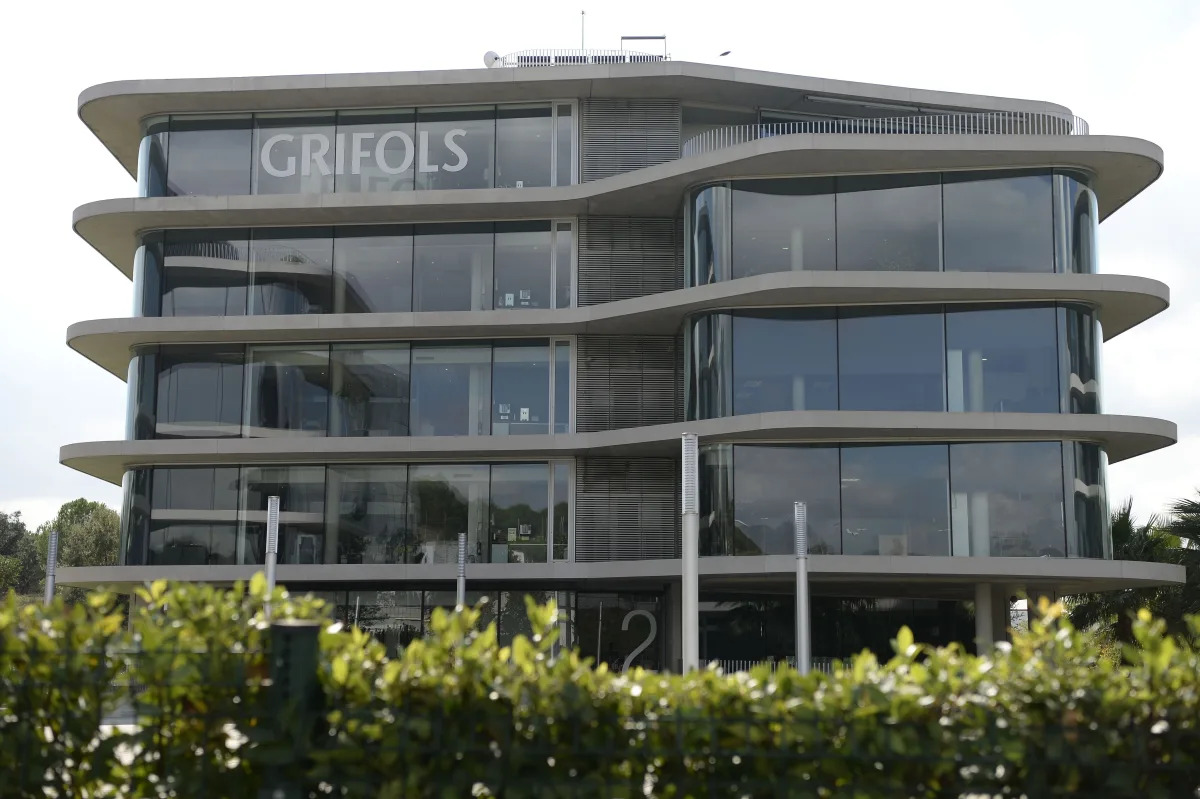
Spanish blood plasma firm Grifols SA's stock tumbled 33% after short seller Gotham City Research LLC criticized its financial reporting, claiming that the company artificially reduced leverage and overstated profit. Grifols rejected the allegations, stating that the related party transactions and disclosures reported by Gotham City Research have been fully disclosed and audited since 2018. The Spanish securities regulator CNMV is currently analyzing the report, and the company is planning to repay its bonds due in 2025 using existing cash and money from selling a stake in Shanghai RAAS Blood Products Co.
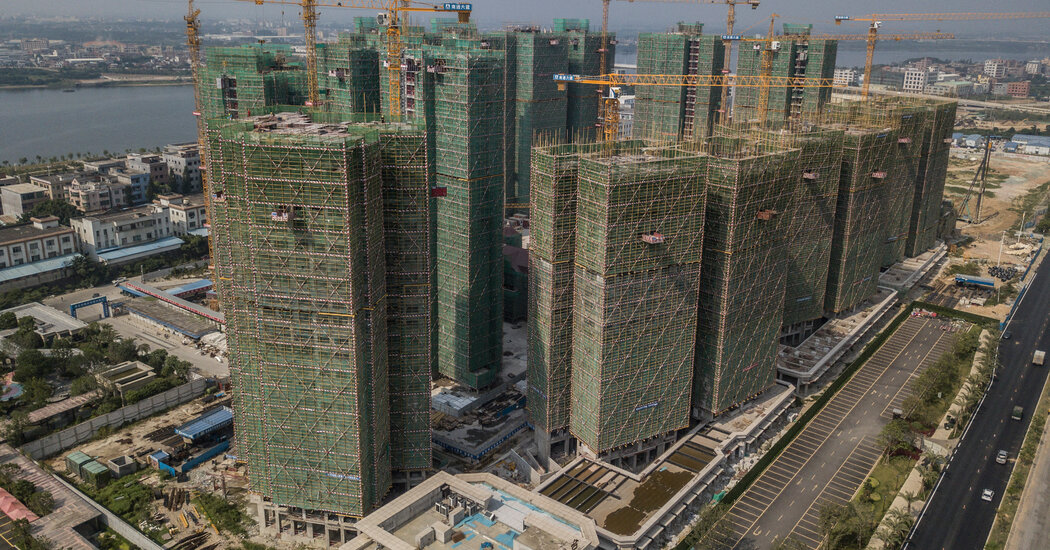
The downfall of China Evergrande, a real estate giant that defaulted on $300 billion of debt, was not solely due to Chinese lending policies, but also questionable accounting and poor corporate oversight. Evergrande had lost $81 billion over the prior two years, and records requested from the company were incomplete, with important accounting errors or misstatements potentially going undetected. The company promised apartments to hundreds of thousands of home buyers that were never built, took in billions of dollars that have vanished, and accumulated unpaid bills of $140 billion. Evergrande's collapse has led to a cascade of defaults among other developers, leaving a landscape of boarded-up construction sites and angry stakeholders. The company remains in default and its future remains uncertain.