
Iran’s black rain after strikes: a toxic mix of pollutants explained
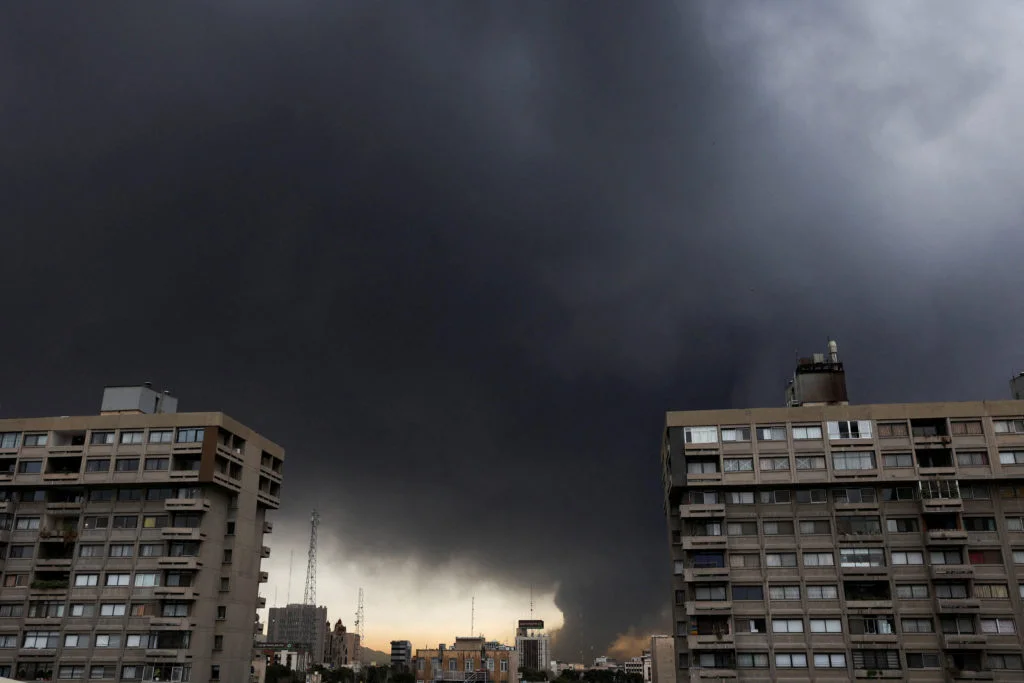
Following U.S.–Israeli strikes on oil depots in Iran, reports of black, ‘acid’ rain reflect a rainout of heavily polluted air. An atmospheric scientist explains the rain likely contains hydrocarbons, PM2.5, PAHs, heavy metals, and other chemicals, with sulfur dioxide and nitrogen dioxide forming acids in droplets. Short-term health risks include headaches and breathing difficulties, especially for those with asthma, while long-term exposure could raise cancer risk; deposition on surfaces and waterways can spread pollutants. Protective actions include staying indoors, wearing masks, and cleaning surfaces where possible. The piece also notes that all smoke is toxic and that war-related air pollution can have lasting environmental and health impacts.
- Why did U.S. bombings cause 'acid rain' to fall in Iran? An atmospheric scientist explains PBS
- Iran War Live Updates: Strikes in Beirut, Ship Attacks Near Strait of Hormuz and Oil Supply News - The New York Times The New York Times
- ‘Dark, like our future’: Iranians describe scenes of catastrophe after Tehran’s oil depots bombed The Guardian
- Strikes create toxic clouds over Tehran Reuters
- Satellite images capture airstrikes reducing Iran's vintage American-made F-14 Tomcats to wreckage Business Insider
Reading Insights
0
5
4 min
vs 5 min read
87%
808 → 107 words
Want the full story? Read the original article
Read on PBS