
Ancient Maya Collapse Linked to Prolonged Drought, New Cave Evidence Shows
TL;DR Summary
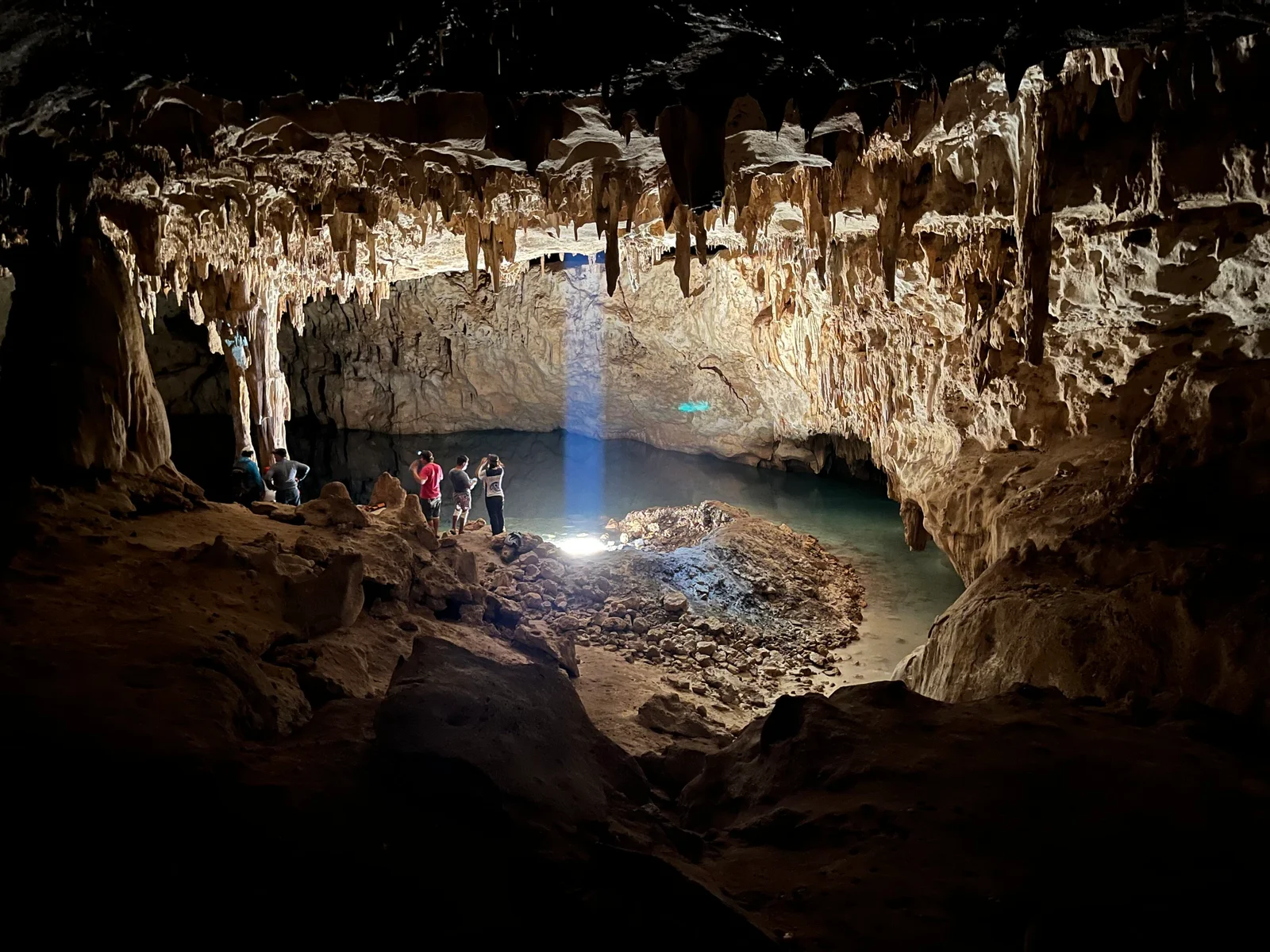
Chemical analysis of stalagmites from a Mexican cave revealed that during the Maya collapse (871-1021 CE), there were eight droughts lasting over three years, with the longest lasting 13 years, likely contributing to societal decline. This detailed climate data aligns with archaeological evidence of halted monument construction and societal upheaval, providing new insights into the role of climate stress in the Maya civilization's decline.
- Stalagmites in Mexican caves reveal duration and severity of drought during the Maya collapse Phys.org
- Collapse of Ancient Maya civilization coincided with 13-year-drought The Art Newspaper
- 13-year drought crippled Maya on Yucatán Peninsula 1,000 years ago, study finds Live Science
- The Mayan civilization experienced 44 years of drought in its last two centuries EL PAÍS English
- New Clues to the Mysterious Fall of the Mayan Civilization Have Been Unearthed Deep Within a Yucatán Cave The Debrief
Reading Insights
Total Reads
0
Unique Readers
6
Time Saved
5 min
vs 6 min read
Condensed
94%
1,129 → 64 words
Want the full story? Read the original article
Read on Phys.org