
Cracking the Mystery: Astrophysicists Shed Light on the Brightness of Early Galaxies
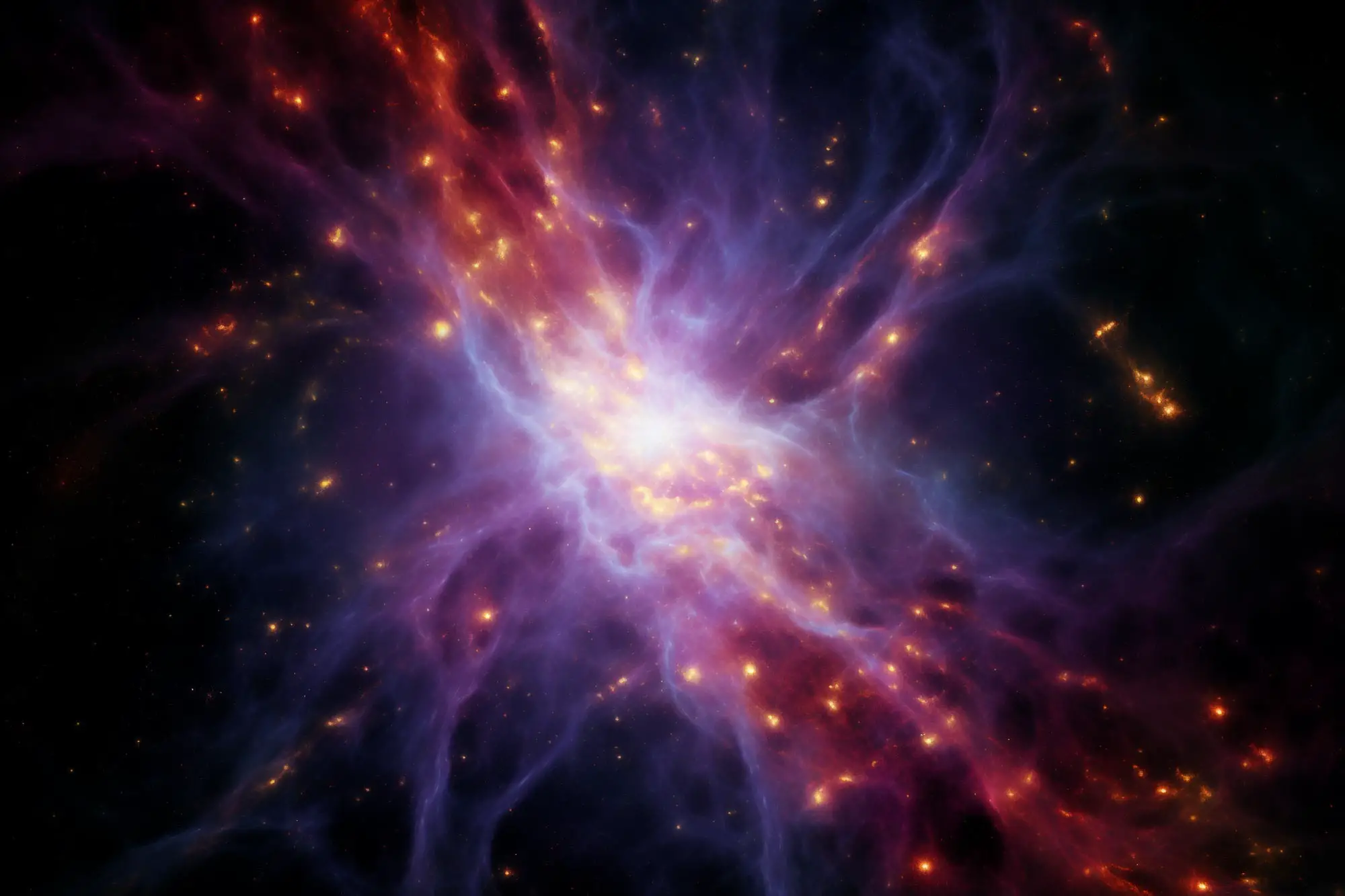
Astrophysicists from Northwestern University have used simulations to explain the unexpected brightness of early galaxies observed by the James Webb Space Telescope (JWST). The simulations suggest that the galaxies' luminosity is due to bursty star formation, rather than their massive size, aligning with current cosmological models. Bursty star formation occurs when stars form in alternating patterns, with periods of intense star formation followed by periods of few new stars. This finding not only explains the deceptive massiveness of young galaxies but also fits within the standard model of cosmology. The research provides valuable insights into the formation of galaxies during cosmic dawn, a period shortly after the Big Bang.
- Webb Mystery Unraveled: Astrophysicists Explain the “Impossible” Brightness at Cosmic Dawn SciTechDaily
- James Webb telescope's observations of 'impossible' galaxies at the dawn of time may finally have an explanation Livescience.com
- James Webb Space Telescope's early galaxy images were oddly bright. Now we know why Space.com
- The Dawn of The Universe Is Far Too Light. Astronomers May Have Figured Out Why. ScienceAlert
- Bursts of star formation linked to bright early galaxies Interesting Engineering
Reading Insights
0
0
5 min
vs 6 min read
90%
1,099 → 109 words
Want the full story? Read the original article
Read on SciTechDaily