
Greenland's Melting Ice Shelves: Alarming Consequences for Sea Level Rise
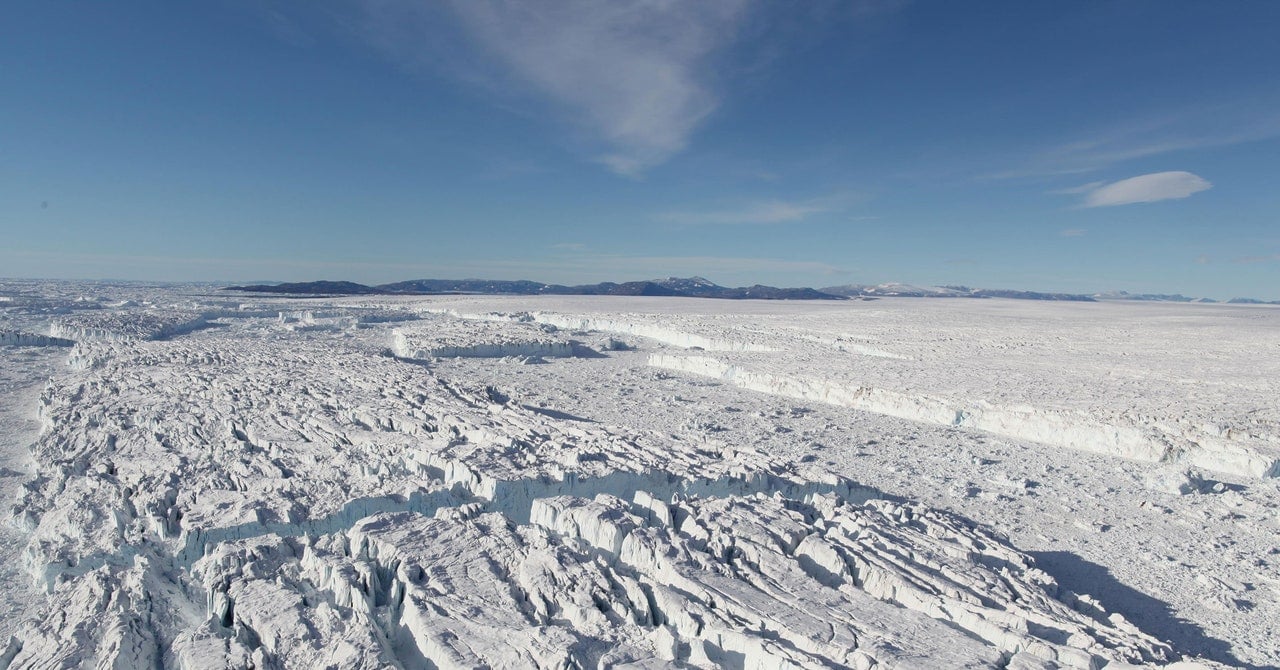
Greenland's northern ice shelves, which float on the ocean, have lost over a third of their volume since 1978 due to warm sea water eating away at them. Three of these ice shelves have completely collapsed since 2000, and the remaining five are rapidly deteriorating, destabilizing nearby glaciers. As the ice shelves shrink and retreat inland, more of their belly is exposed to warm saltwater, leading to increased melting rates. This contributes to rising sea levels as the glaciers discharge more ice into the ocean. The decline of Greenland's ice shelves is driven by higher ocean and air temperatures, as well as the disappearance of sea ice, which acts as a buffer. The accelerated flow of glaciers into the sea poses a significant threat to sea level rise.
- A Major Alarm Is Flashing Under Greenland's Ice WIRED
- Greenland’s northern glaciers are in trouble, threatening ‘dramatic’ sea level rise, study shows CNN
- Northern Greenland’s ice shelves are declining, accelerating sea level rise The Washington Post
- North Greenland ice shelves have lost 35% of their volume, with "dramatic consequences" for sea level rise, study says CBS News
- Three of eight ice shelves in Greenland have collapsed. It now only has five WION
Reading Insights
0
1
6 min
vs 7 min read
90%
1,308 → 128 words
Want the full story? Read the original article
Read on WIRED