
Marmoset Gaze Unlocks Secrets of Spatial Navigation in the Brain.
TL;DR Summary
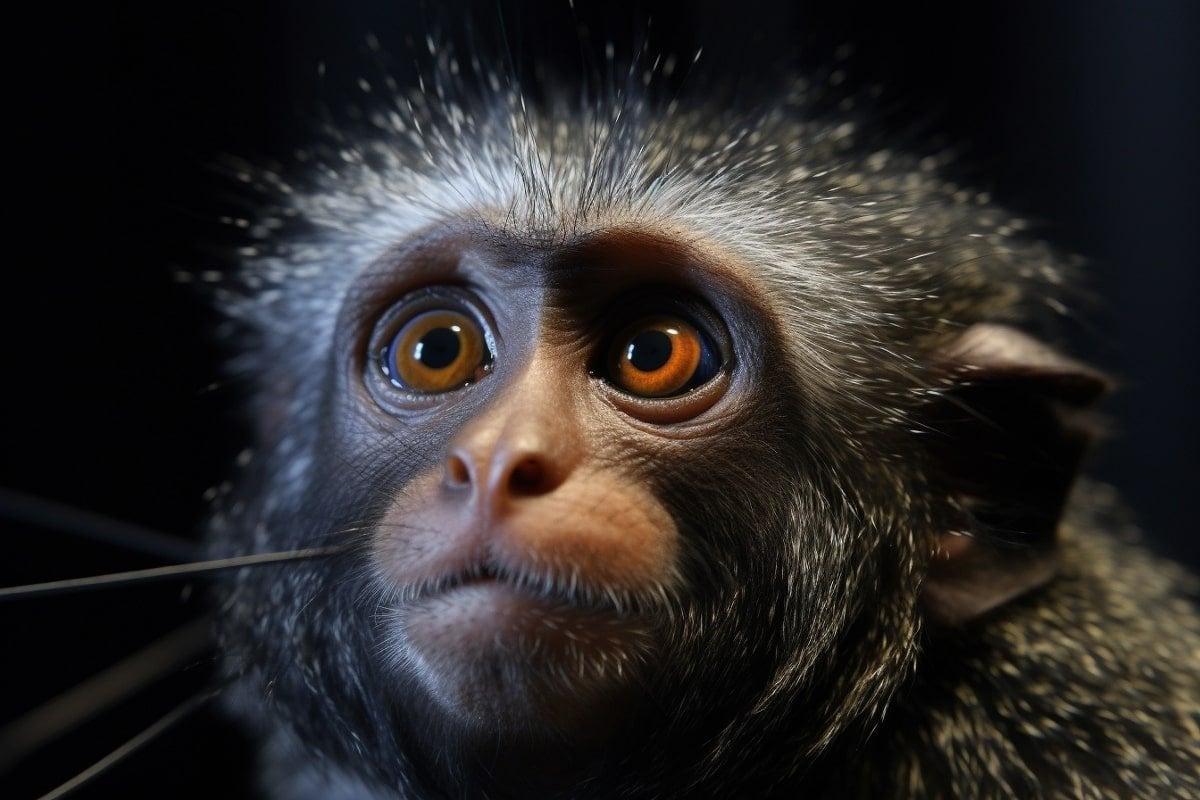
Researchers have discovered that the common marmoset navigates its surroundings differently from previously studied rats, reflecting its unique ecological adaptations. Marmosets use visual cues, relying on rapid head-gaze shifts while stationary, and minimize head movements while navigating. In contrast, rats use low-velocity head movements and tactile whisker explorations. On a cellular level, the marmoset’s hippocampal regions show selectivity for 3D view and head direction, suggesting that gaze, not place, is key to their spatial navigation.
Topics:technology#gaze-based-navigation#hippocampus#marmoset#neuroscience#spatial-navigation#visual-cues
Reading Insights
Total Reads
0
Unique Readers
5
Time Saved
4 min
vs 4 min read
Condensed
90%
778 → 75 words
Want the full story? Read the original article
Read on Neuroscience News