
Enceladus: Key Element for Life Found on Saturn's Icy Moon
TL;DR Summary
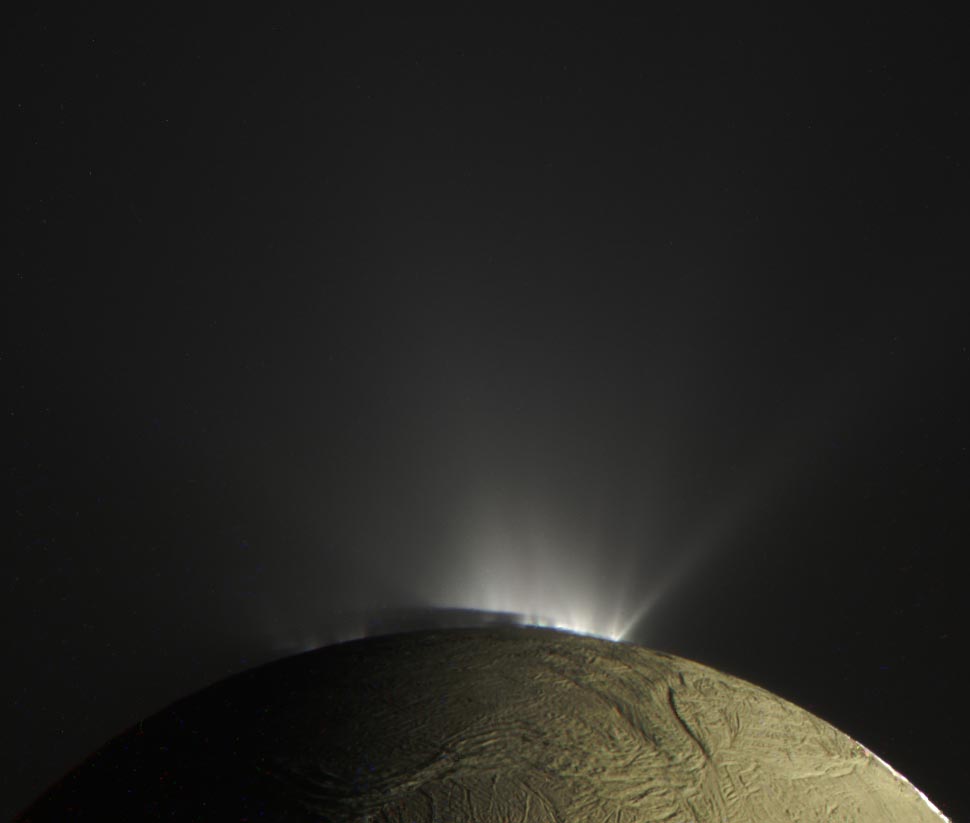
Researchers from Freie Universität Berlin have discovered phosphorus in the subsurface ocean of Saturn's moon Enceladus, providing evidence of a key building block for life. Using data from the Cassini space mission, the team detected phosphates in ice particles ejected into space by the moon's cryo-volcanic plume. The presence of phosphates, essential for DNA, RNA, cell membranes, and energy production, satisfies one of the requirements for habitability. Enceladus, with its soda ocean, organic compounds, and hydrothermal activity, is considered a prime candidate for extraterrestrial life. Future missions will continue the search for life on this icy moon.
Reading Insights
Total Reads
0
Unique Readers
5
Time Saved
4 min
vs 5 min read
Condensed
90%
986 → 97 words
Want the full story? Read the original article
Read on SciTechDaily