
Two Neanderthal Kitchens, One Landscape: Distinct Food Traditions Unearthed
TL;DR Summary
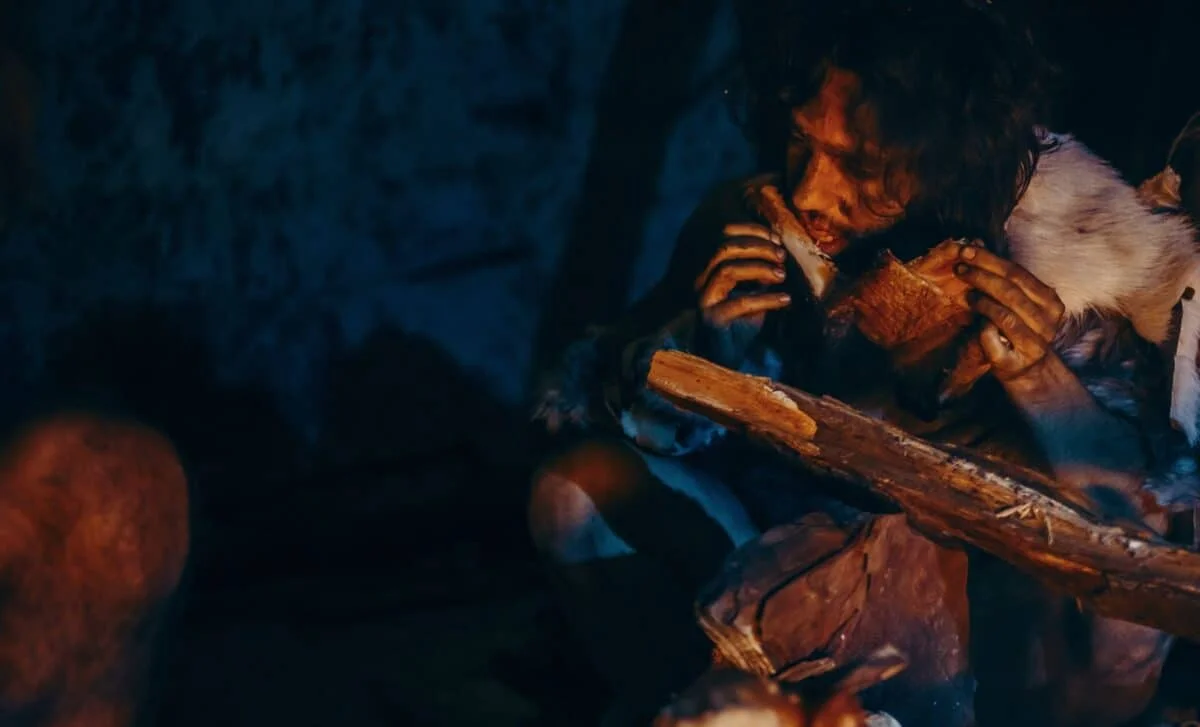
A study of Neanderthal groups at Amud and Kebara caves in northern Israel, living 70,000–50,000 years ago, shows they used similar hunting tools but butchered meat differently: Amud bones were burned and fragmented far more (about 40%) than Kebara bones (about 9%), indicating distinct food-preparation traditions likely passed through social learning and culture, suggesting Neanderthals had organized, tradition-driven subsistence practices as well as social grouping. The research is published in Frontiers in Environmental Archaeology.
Reading Insights
Total Reads
0
Unique Readers
1
Time Saved
4 min
vs 5 min read
Condensed
92%
882 → 74 words
Want the full story? Read the original article
Read on The Daily Galaxy