
Revolutionary Drug Counteracts Bone Loss in Astronauts on Moon and Mars Missions
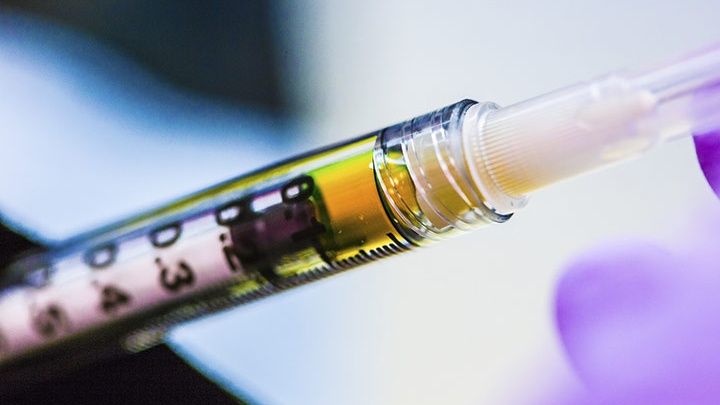
Scientists have developed a new drug, BP-NELL-PEG, that shows potential in promoting bone formation and combating bone loss in astronauts during long-term space missions. The drug, which targets the formation of new bone, was tested on mice aboard the International Space Station (ISS) and demonstrated a significant increase in bone density. The modified drug, with an extended half-life, displayed superior specificity for bone tissue without adverse effects. While the drug has shown promising results in mice, further research is needed before it can be used for humans. The study aims to find ways to prevent the detrimental effects of microgravity on bones during spaceflight.
- New drug shows potential to aid astronauts during future missions to moon and Mars Space.com
- Space-Age Solution: Preventing Astronaut Bone Loss With Innovative Compound SciTechDaily
- 'Smart' molecule could tackle microgravity-induced bone loss Interesting Engineering
- Bisphosphonate conjugation enhances the bone-specificity of NELL-1-based systemic therapy for spaceflight-induced bone loss in mice | npj Microgravity Nature.com
- Mice help Nasa take the next step on its mission to Mars The Times
- View Full Coverage on Google News
Reading Insights
0
0
3 min
vs 4 min read
84%
656 → 104 words
Want the full story? Read the original article
Read on Space.com