
Webb Telescope Unveils Mystery Behind 'Puffy' Exoplanets
TL;DR Summary
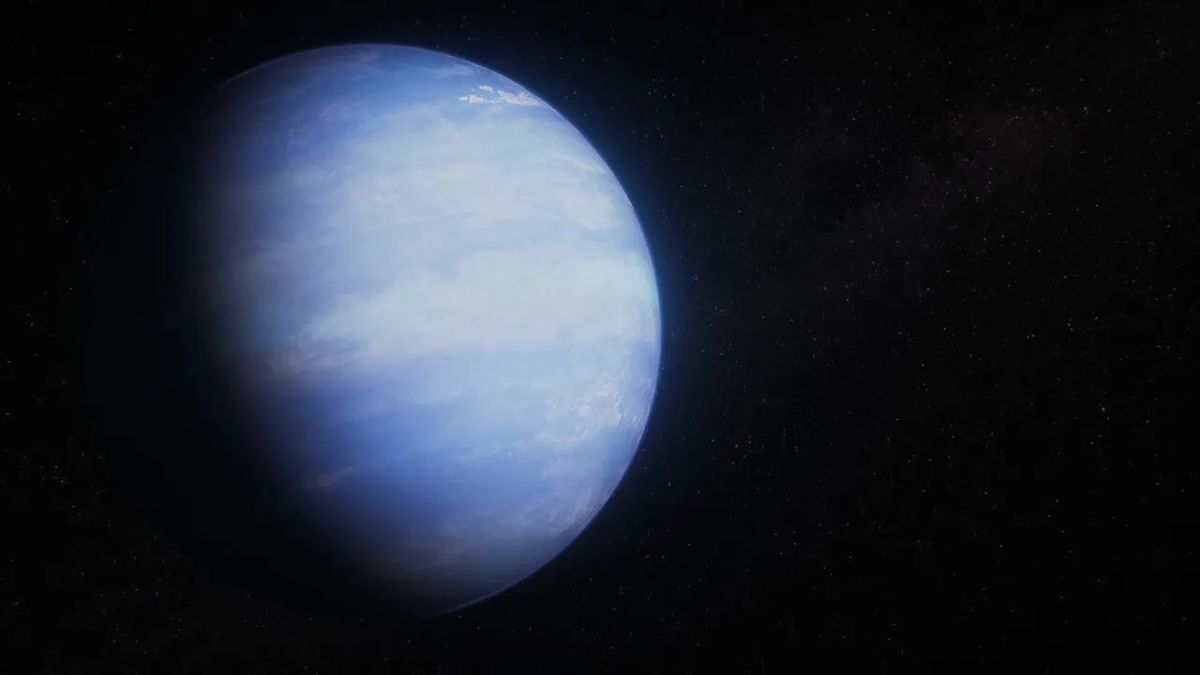
New observations from the James Webb Space Telescope suggest that the unusually low methane levels in the atmosphere of the exoplanet WASP-107 b may explain its "puffy" nature. The findings indicate that the planet's atmosphere is inflated due to high internal temperatures and tidal heating from its star, rather than requiring exotic formation theories. This research, combined with previous Hubble data, provides new insights into the atmospheric dynamics and composition of this lightweight, marshmallow-like planet.
Topics:science#exoplanets#james-webb-space-telescope#methane#planetary-atmospheres#science-and-space#wasp-107-b
- Mysterious 'puffy' planet may finally be explained by James Webb Space Telescope Livescience.com
- NASA's Webb Cracks Case of Inflated Exoplanet | Webb WebbTelescope.org
- Webb Cracks Case of Inflated Exoplanet Science@NASA
- Webb telescope helps solve longstanding mystery of why some planets appear so "puffy" CBS News
- Webb telescope offers first glimpse of an exoplanet's interior The Hub at Johns Hopkins
Reading Insights
Total Reads
0
Unique Readers
7
Time Saved
4 min
vs 4 min read
Condensed
91%
798 → 75 words
Want the full story? Read the original article
Read on Livescience.com