
"The Cosmic Dawn: Reflecting on the Universe's Peak Star-Birthing Era"
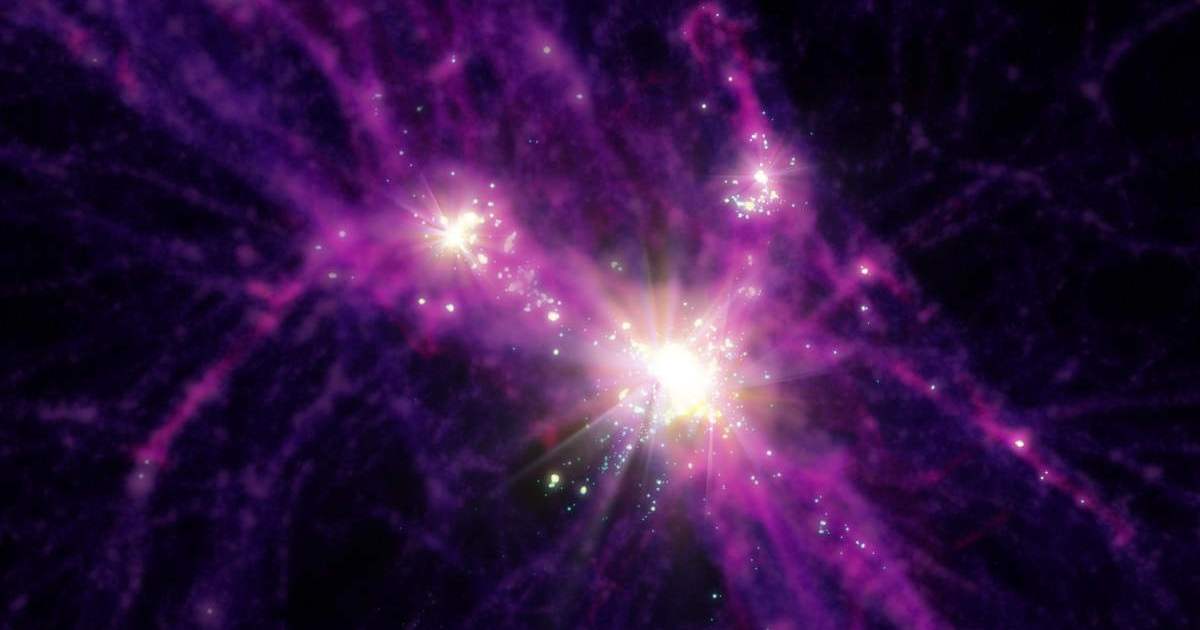
The Universe's star formation peaked in its first few billion years and has since plummeted, with the current rate being the lowest in over 13 billion years. Early stars were massive and metal-free, forming in a denser Universe, but over time, factors like the uniformity of matter distribution, gravitational forces, and cosmic expansion influenced the rate of star formation. Major mergers of galaxies triggered significant starbursts, but as the Universe expanded and dark energy became dominant, the formation of large-scale structures beyond galaxy clusters was limited. Today, star formation continues at a much slower pace, with dark energy and other factors preventing the creation of new stars at the rates seen in the past. The James Webb Space Telescope (JWST) and other instruments are helping to reduce uncertainties in our understanding of the Universe's star formation history.
Reading Insights
0
8
15 min
vs 16 min read
96%
3,092 → 137 words
Want the full story? Read the original article
Read on Big Think