
Decoding Neanderthal Burial Practices: Unraveling the Role of Burrowing Bees
TL;DR Summary
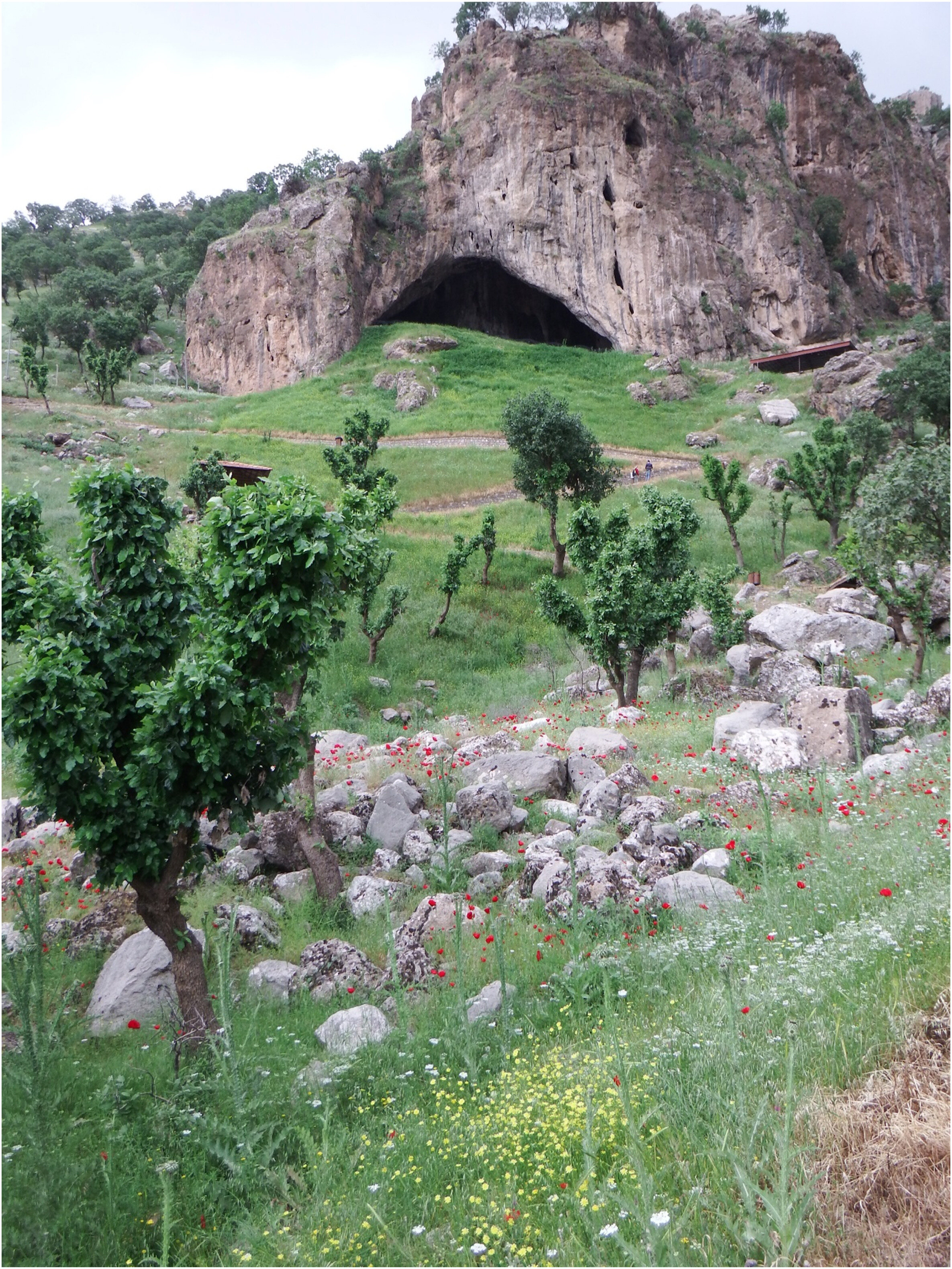
Researchers have reexamined the "Flower Burial" hypothesis at Shanidar Cave, a site known for its Neanderthal remains, and concluded that the pollen found in the burial pits was likely deposited by bees rather than being a floral grave offering. The presence of taxonomically mixed clumps of pollen suggests that bees collected and deposited the pollen. While some questions remain, this study sheds light on the complex behavior of Neanderthals and challenges previous perceptions of them as primitive beings. The discovery of intentional burial and other sophisticated activities among Neanderthals has expanded our understanding of their capabilities.
- How ancient bee burrows led to a better understanding of Neanderthals Phys.org
- Famous Neanderthal 'flower burial' debunked because pollen was left by burrowing bees Livescience.com
- Neanderthal “Flower Burial” Mystery At Shanidar Cave May Have Been Solved IFLScience
- How did Neanderthals bury their dead? Not this way, after all Interesting Engineering
- Neanderthal Burial With Flowers Likely The Result Of Animal Activity, New Study Finds Forbes
- View Full Coverage on Google News
Reading Insights
Total Reads
0
Unique Readers
1
Time Saved
6 min
vs 7 min read
Condensed
92%
1,226 → 96 words
Want the full story? Read the original article
Read on Phys.org