
"Unraveling the Origins of Syphilis: Insights from 2000-Year-Old Brazilian Skeletons"
TL;DR Summary
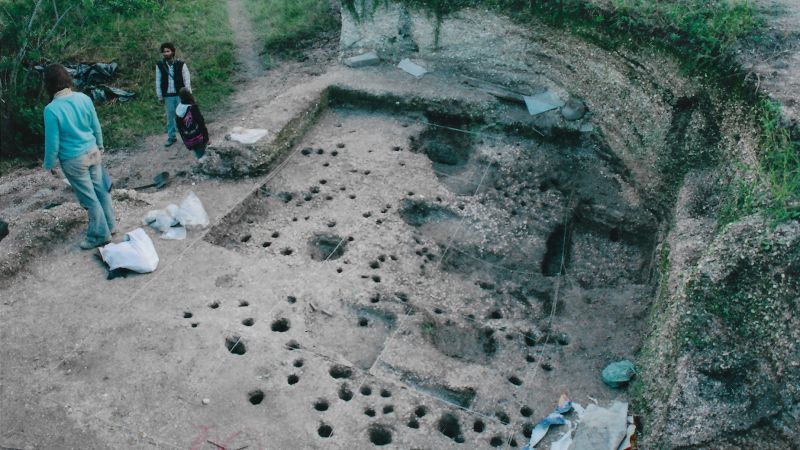
A new study published in the journal Nature used paleopathology techniques on 2,000-year-old bones unearthed in Brazil to recover the earliest known genomic evidence of Treponema pallidum, the bacterium that causes syphilis, suggesting that the disease may have originated in the Americas and was present long before the first trans-Atlantic contacts. The findings challenge the long-standing theory that syphilis emerged in Europe after Columbus' expeditions, indicating a more complex and ancient history of the disease's evolution and global distribution.
- Did syphilis really originate in the Americas? Ancient DNA adds layer to debate CNN
- Oldest DNA evidence of syphilis relative discovered in 2000-year-old skeletons in Brazil Livescience.com
- Redefining the treponemal history through pre-Columbian genomes from Brazil Nature.com
- Syphilis-like bacteria found in 2000-year-old human remains in Brazil New Scientist
- 2000-Year-Old Bones In Brazil Shed Light On The Family Tree Of Syphilis IFLScience
Reading Insights
Total Reads
0
Unique Readers
10
Time Saved
5 min
vs 6 min read
Condensed
93%
1,174 → 79 words
Want the full story? Read the original article
Read on CNN