
The Influence of Brain States on Mice's Eating and Drinking Choices
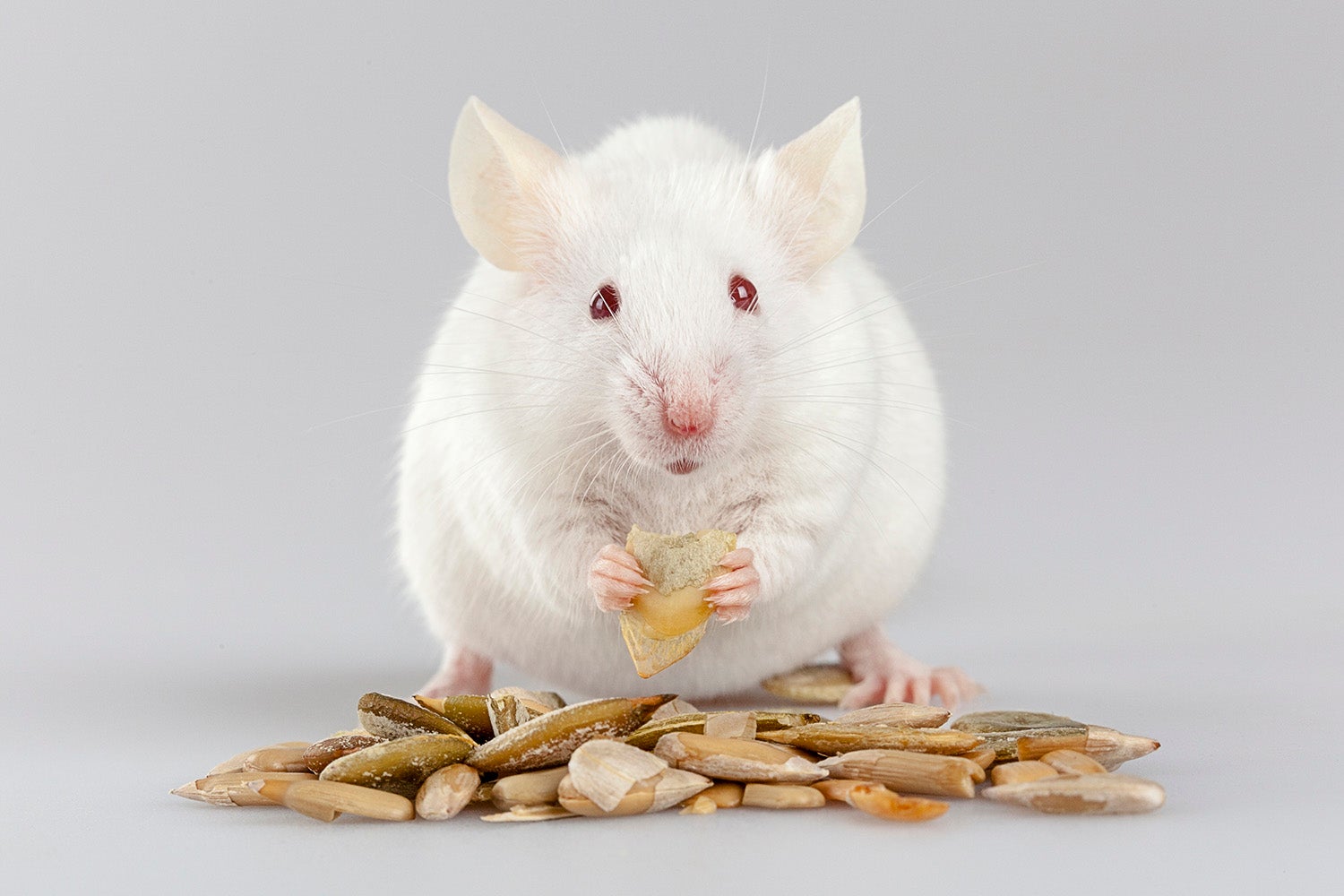
A Stanford study explores how mice decide between eating and drinking when they are both hungry and thirsty. Researchers found that hunger and thirst do not directly motivate behavior, but instead modulate behavior indirectly by influencing the mouse's current goal. Neuron activity patterns in the brain predicted the mouse's choice, even before it was presented with options. The study also revealed that mice often make the same choice repeatedly before randomly switching, allowing them to fulfill both needs over time. Mathematical modeling suggested that the brain's shifting baseline state and random activity play a role in decision-making. The findings provide insights into the neurological underpinnings of choosing between basic needs.
- How mice choose to eat or to drink | Stanford News Stanford University News
- Brain States Influence on Decision-Making Neuroscience News
- View Full Coverage on Google News
Reading Insights
0
1
5 min
vs 7 min read
91%
1,205 → 110 words
Want the full story? Read the original article
Read on Stanford University News