
Hair strands reveal the century-long payoff of the leaded-gas ban
TL;DR Summary
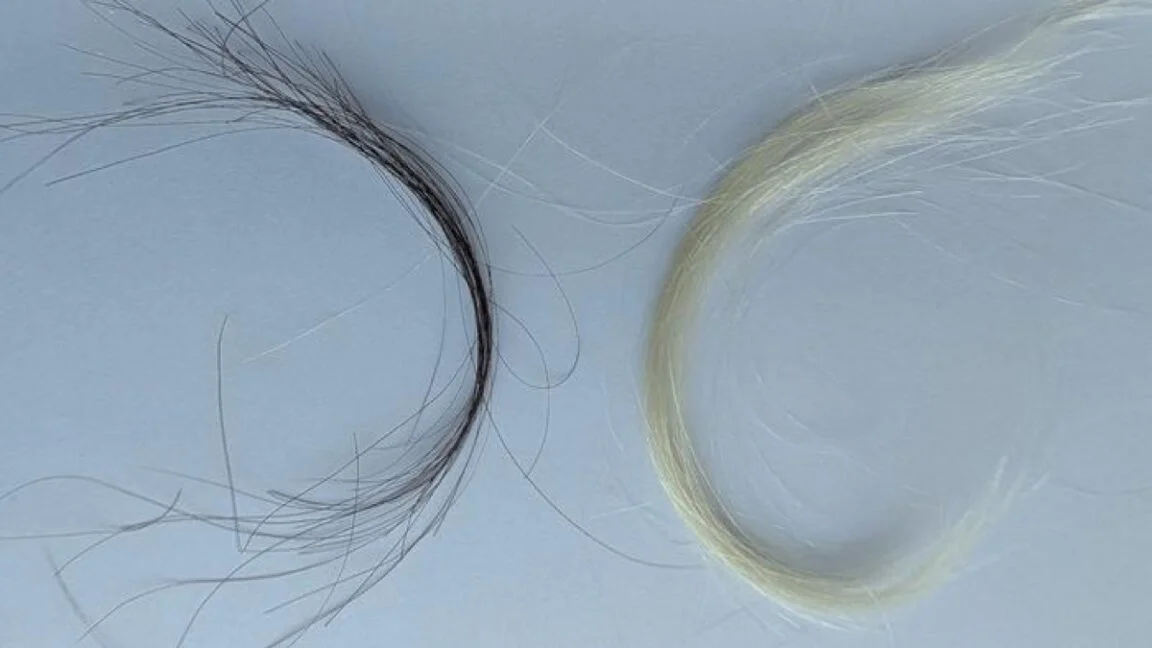
A University of Utah study analyzed hair samples from Utah residents spanning roughly 1916–2024 and found lead levels rose to about 100 ppm by the mid-20th century and then fell sharply after the EPA began phasing out lead in gasoline and closing smelting plants, reaching under 1 ppm by 2024. The roughly 100-fold decrease provides strong evidence that environmental regulations effectively reduced lead exposure, a timely reminder amid ongoing debates about regulatory rollbacks. The research, published in PNAS, used hair as a proxy for environmental exposure and underscores historical lessons about policy impact.
- A century of hair samples proves leaded gas ban worked Ars Technica
- Banning lead in gas worked. The proof is in our hair U. of Utah
- A century of hair clippings show lead exposure rates have plummeted Scientific American
- Old Hair Reveals How Toxic America Once Was SciTechDaily
- Preserved hair reveals just how bad lead exposure was in the 20th century Live Science
Reading Insights
Total Reads
1
Unique Readers
4
Time Saved
6 min
vs 7 min read
Condensed
93%
1,306 → 93 words
Want the full story? Read the original article
Read on Ars Technica