
"The Science of Musical Groove: Understanding Why Certain Songs Make Us Want to Dance"
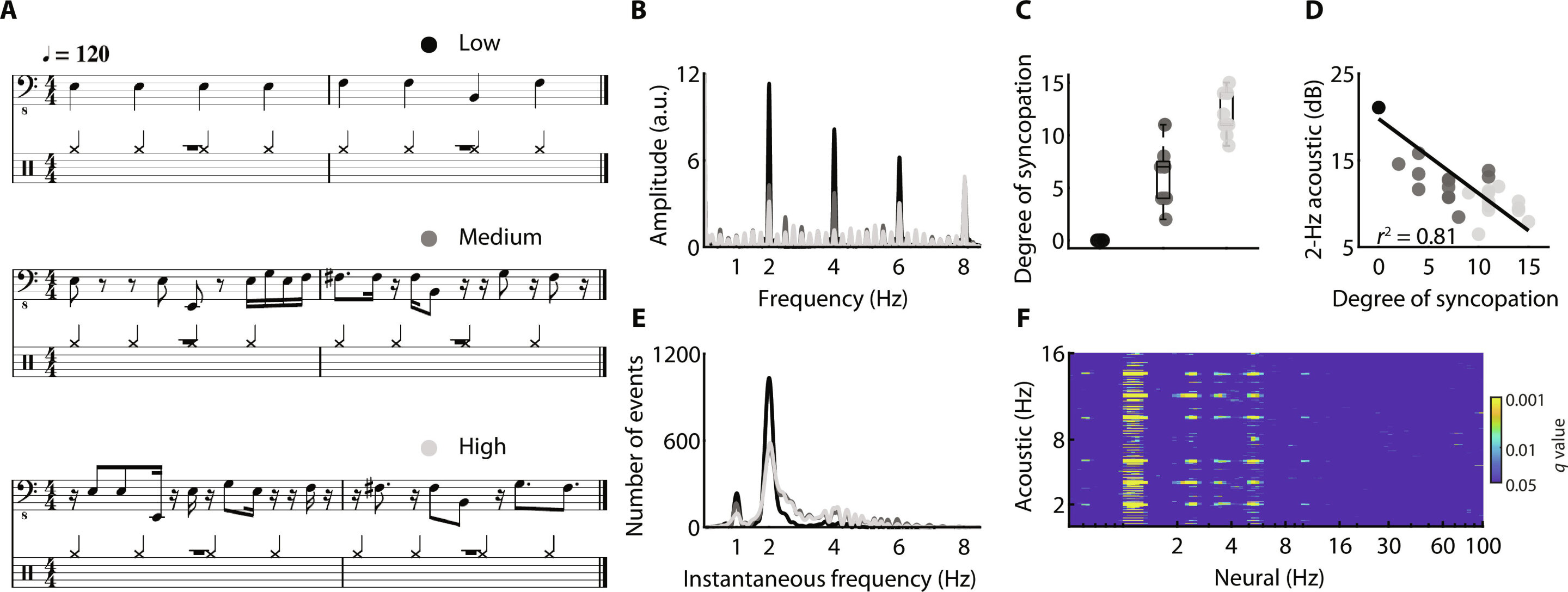
A study published in Science Advances by a team of neuroscientists and psychologists has identified the brain's mechanism that controls the desire to dance prompted by music. The research focused on syncopation and beat, finding that melodies with a medium degree of syncopation caused the strongest desire to dance. Using magnetoencephalography, the researchers discovered that the auditory cortex primarily focuses on rhythm, while the dorsal auditory pathway matches the rhythm to the beat, suggesting that the music-prompted desire to dance likely occurs within this pathway. The study suggests that the brain's sudden desire to dance to music with a medium amount of syncopation is an attempt to anticipate beats among the syncopation, causing the body to lean forward repeatedly.
- Why some types of music make people want to dance more than others Medical Xpress
- Neural dynamics of predictive timing and motor engagement in music listening Science
- Why Some Songs Make Everyone Want to Dance Scientific American
- Researchers say groove is in the mind: How Kylie, Troye & Beyoncé scientifically drive the gays to the dance floor Queerty
- The neuroscience of groove: Why certain rhythms make us want to dance PsyPost
Reading Insights
0
4
2 min
vs 4 min read
80%
606 → 119 words
Want the full story? Read the original article
Read on Medical Xpress