
"Cortical Geometry: Function, Behavior, and Ecology Connection"
TL;DR Summary
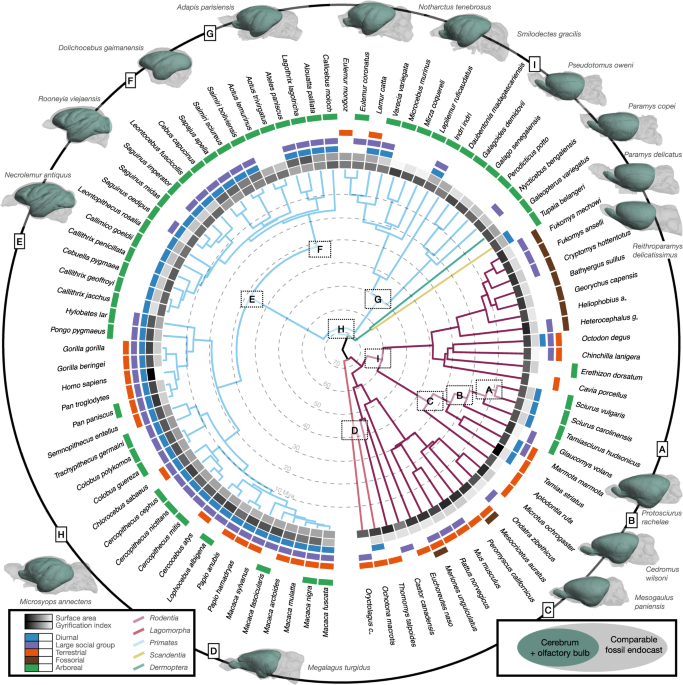
A study published in Nature Communications has established a joint geometric representation of the cerebral cortices of ninety species of extant Euarchontoglires, including commonly used experimental model organisms. The study shows that variability in surface geometry relates to species’ ecology and behaviour, independent of overall brain size. The research also traces the evolutionary history of localised cortical expansions, modal segregation of brain function, and their association to behaviour and cognition. The study highlights the importance of considering the evolutionary history of cortical regions when studying their anatomy and function.
Reading Insights
Total Reads
0
Unique Readers
0
Time Saved
85 min
vs 86 min read
Condensed
99%
17,120 → 89 words
Want the full story? Read the original article
Read on Nature.com