
"Using VR Game Eye Movements to Detect ADHD in Children"
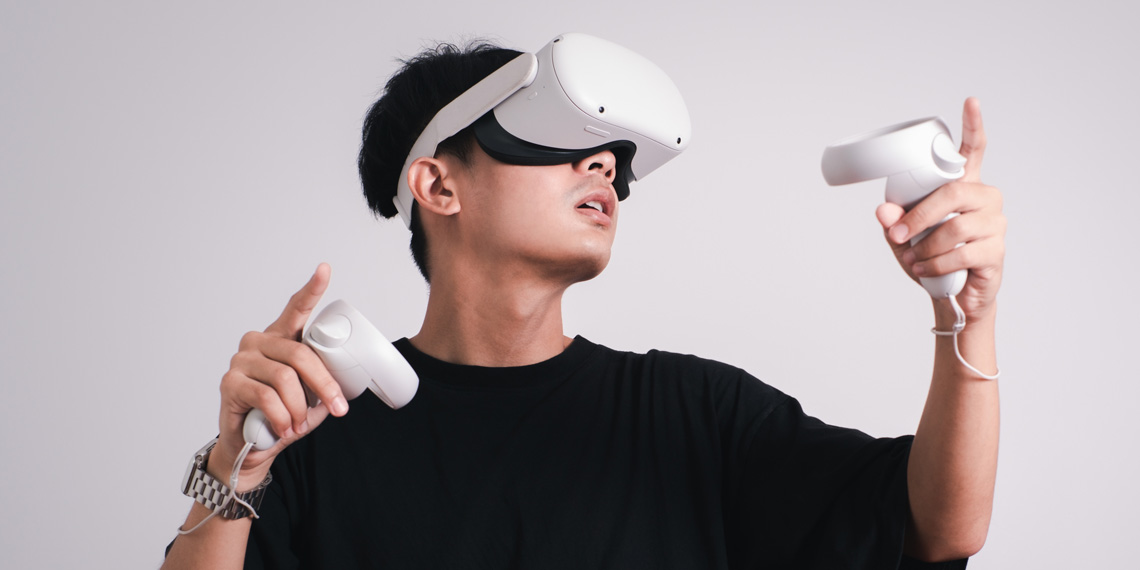
Eye movements during a virtual reality memory game can help identify children with attention-deficit hyperactivity disorder (ADHD), according to a study in Finland. The study used a virtual reality task called EPELI to assess attention and executive function deficits in children with ADHD. The study found that children with ADHD exhibited decreased task efficiency, struggled with virtual navigation, and had shorter and less intense eye movements compared to children without ADHD. Using eye movement data, a machine learning algorithm successfully classified 84% of children with ADHD and 78% of the control group. The findings suggest that eye movements recorded in a naturalistic setting could be a promising behavioral marker for ADHD assessment.
Reading Insights
0
0
3 min
vs 4 min read
84%
701 → 112 words
Want the full story? Read the original article
Read on PsyPost