
Breakthrough Synthetic Antibiotic Destroys Drug-Resistant Superbugs
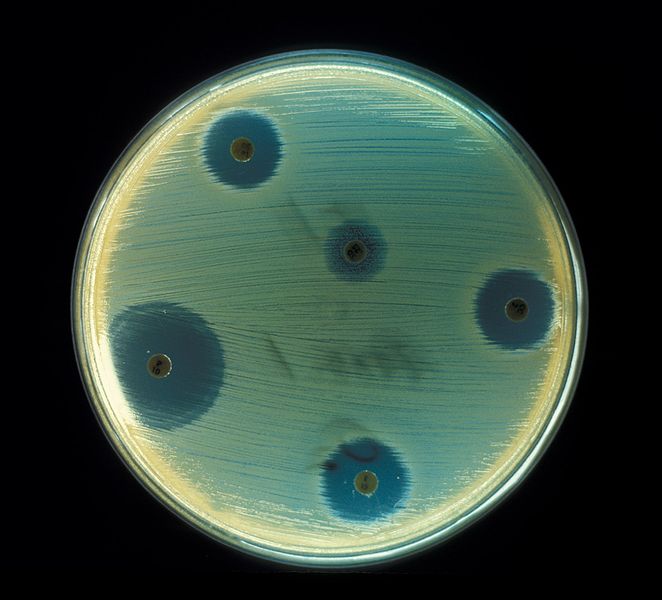
Scientists at Duke University have developed a synthetic molecule called LPC-233 that has shown promise in combating drug-resistant gram-negative bacteria, including Salmonella, Pseudomonas, and E. coli. The compound disrupts the synthesis of the bacterial outer membrane, leading to the bacteria's inability to survive. LPC-233 has demonstrated effectiveness in animal tests, reducing bacterial viability by 100,000-fold within four hours. It has also shown durability and the ability to reach the urinary tract, making it a potential treatment for stubborn urinary tract infections. The compound is now being prepared for phase 1 clinical trials to assess its safety and efficacy in humans.
Reading Insights
0
6
4 min
vs 5 min read
89%
897 → 100 words
Want the full story? Read the original article
Read on Medical Xpress