
"Invasive Ants' Impact on Lion Prey Dynamics in Kenya"
TL;DR Summary
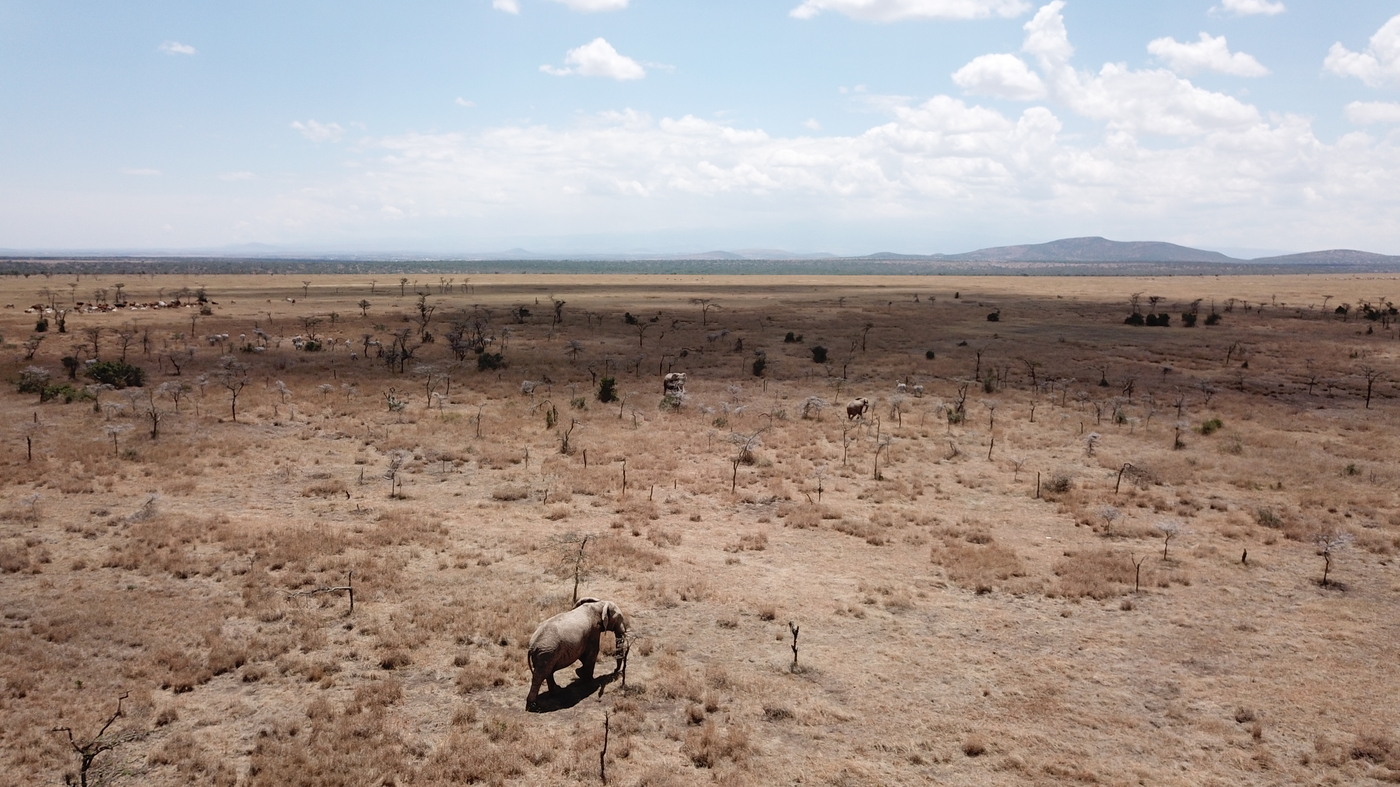
The invasion of big-headed ants in the Ol Pejeta Conservancy in Kenya has disrupted the mutualistic relationship between native acacia trees and ants, leading to a cascade of ecological changes. The ants have wiped out native ant populations, leaving the trees vulnerable to elephants, resulting in a landscape transformation with fewer trees and more open grasslands. This has impacted the hunting success of lions and the diet of endangered black rhinos. Efforts to control the ant invasion and monitor ecological changes are ongoing, with the added wildcard of a warming and drying climate.
Topics:entertainment#big-headed-ants#ecosystem#environment#invasive-species#kenya#ol-pejeta-conservancy
- Ants are making lions on the Kenyan savanna eat fewer zebras : Short Wave NPR
- Disruption of an ant-plant mutualism shapes interactions between lions and their primary prey Science
- How tiny, invasive ants spewed chaos that killed a bunch of African buffalo USA TODAY
- Invasive ant causes chain-reaction, sparing zebras from lions in Kenya New Atlas
- Lions are being forced to change the way they hunt. It's all because of a tiny invasive ant, scientists say. CBS News
Reading Insights
Total Reads
0
Unique Readers
0
Time Saved
4 min
vs 5 min read
Condensed
91%
988 → 93 words
Want the full story? Read the original article
Read on NPR