
Navigating the Soft Landing: Exploring the Impact of Falling Money Supply on Jobs and the Economy
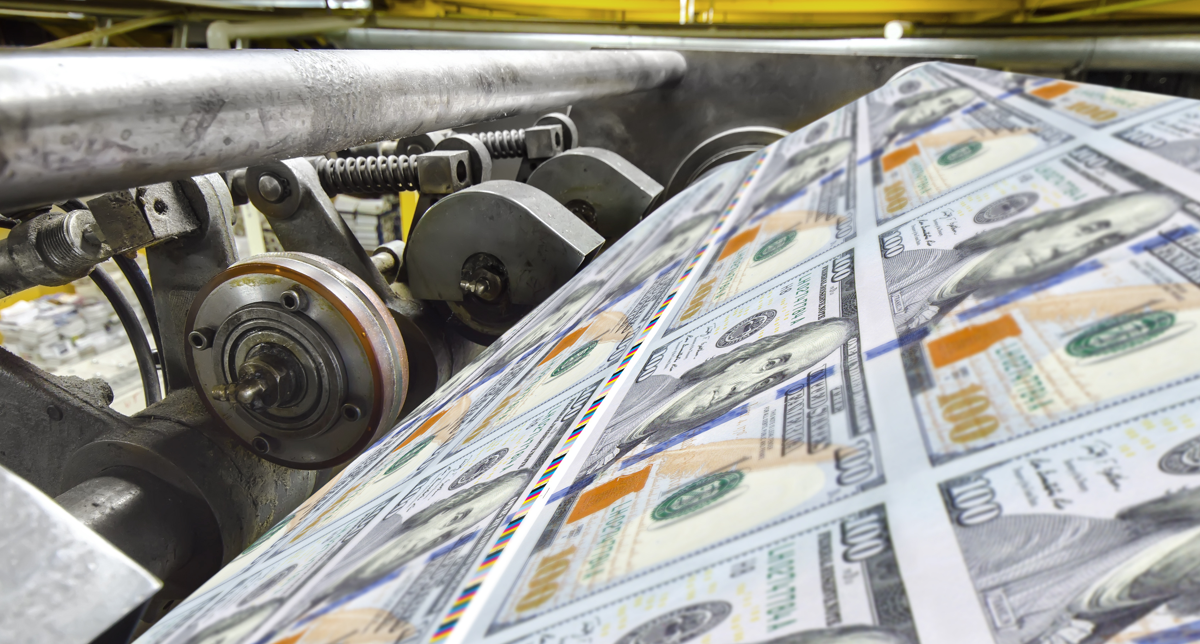
The decline in the money supply in 2020 has not yet resulted in significant job losses due to the enormous liquidity injected into the economy, but price inflation remains elevated. The decline in monetary aggregates should have brought the Consumer Price Index (CPI) below 2.0 percent, but government spending and consumption of newly created currency are keeping inflation above target. If rate cuts and money supply growth continue next year, accumulated price inflation could surpass 23 percent. Central banks are increasing their purchases of gold to diversify their reserves and protect against the devaluation of fiat currencies. Bitcoin, stocks, and bonds are correlated with expectations of a larger money supply and lower rates, but gold remains a stable asset in a portfolio to escape the collapse of traditional currencies. The problem in 2024 is that soft landings are rare, and the impact of monetary contraction and rate hikes will be felt with a lag, while fiscal policy continues to drive deficits and debt higher.
- Why the Falling Money Supply Hasn't Yet Created Big Job Losses | Daniel Lacalle Mises Institute
- Economists now predict the U.S. is heading for a "soft landing." Here's what that means. CBS News
- Can the Fed Achieve a ‘Soft Landing’ and Avoid a Recession? Bloomberg
- US wage growth, once an inflation risk, may be the prop a soft landing needs Reuters
- Beware the Most Crowded Trade on Wall Street: Next Year's Soft Landing The Wall Street Journal
Reading Insights
0
3
4 min
vs 5 min read
82%
906 → 164 words
Want the full story? Read the original article
Read on Mises Institute