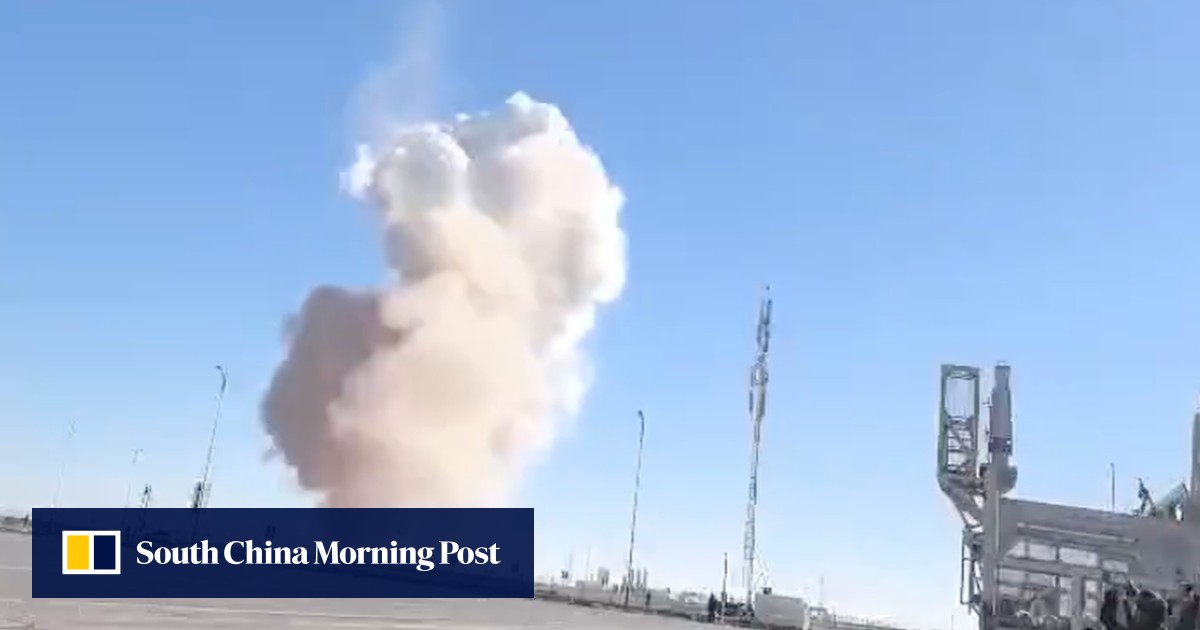
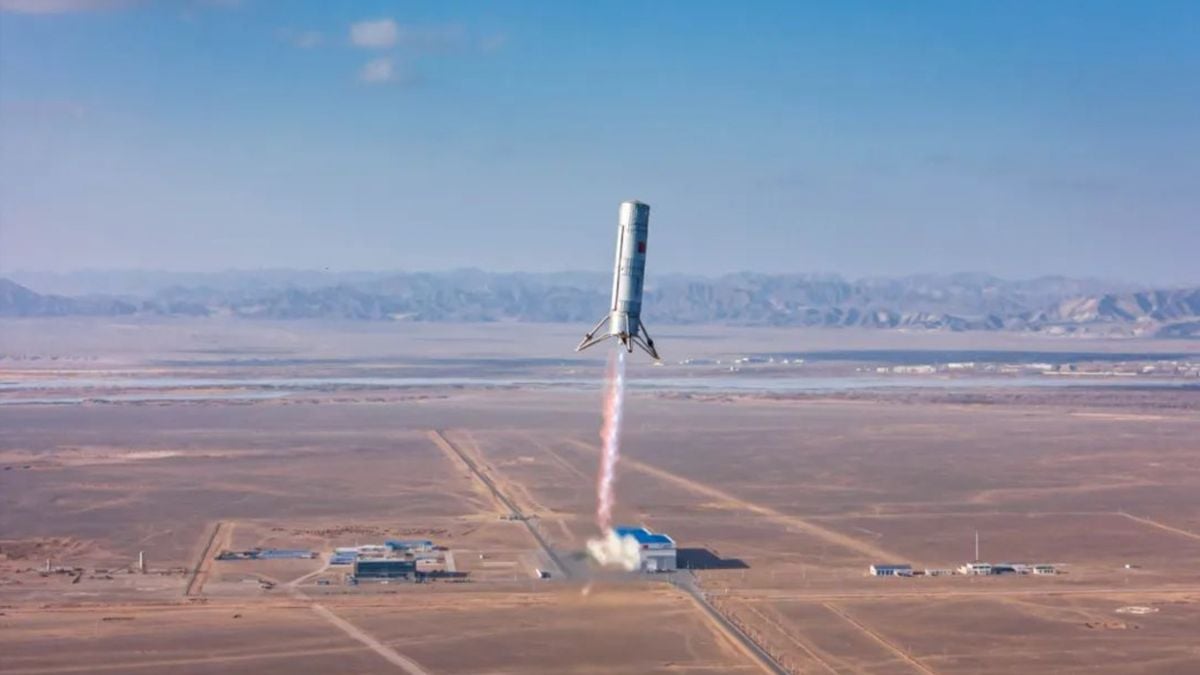
China's first reusable rocket, Zhuque-3, successfully reached orbit but failed to recover its first stage after crashing near the recovery site, leaving the US as the only country with successful orbital booster recovery.
China's LandSpace has achieved a key milestone with its Zhuque-3 reusable rocket, including static fire tests and preparations for an orbital launch expected in late 2025, as part of China's broader ambitions to rival major space powers and develop advanced space transportation systems.
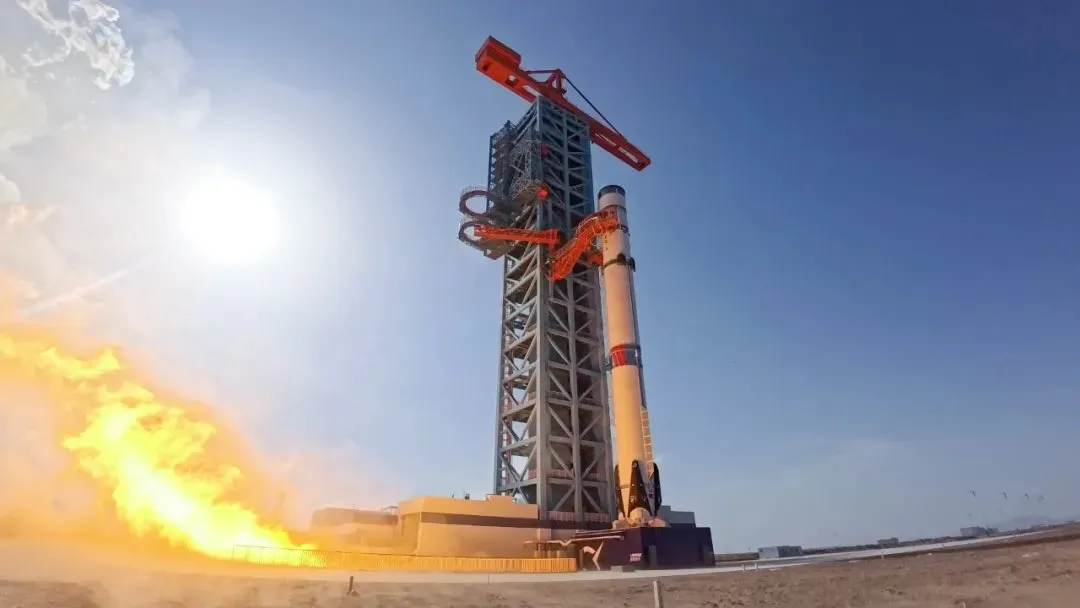
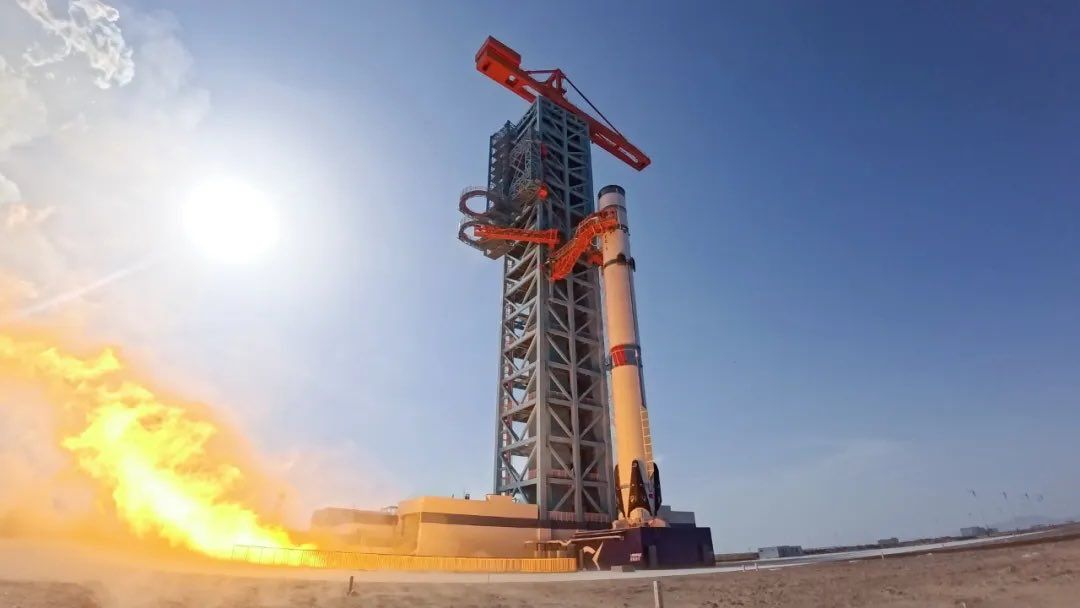
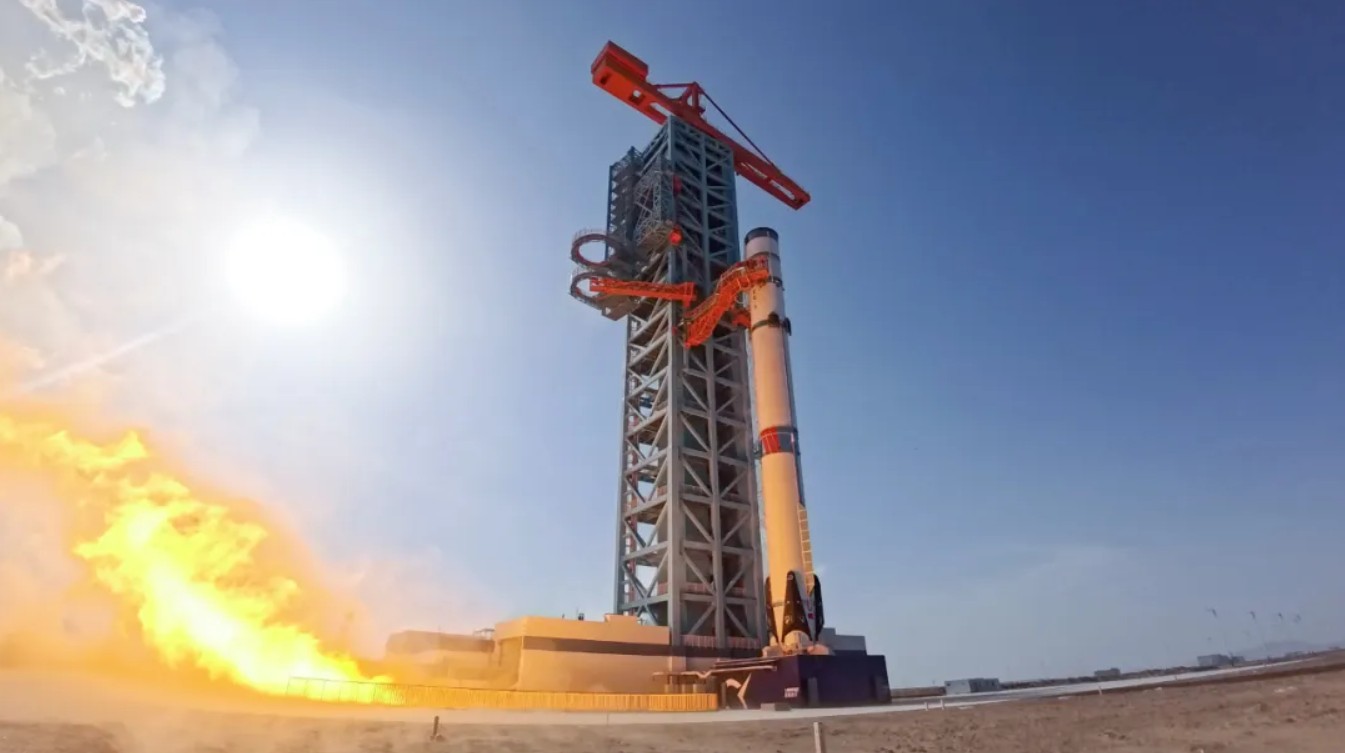
China's LandSpace successfully conducted a static-fire test of its reusable Zhuque-3 rocket, moving closer to its first orbital launch planned before year's end. The rocket, similar to SpaceX's Falcon 9, features a reusable first stage powered by nine Tianque-12A engines using liquid methane and oxygen, and can carry approximately 18,300 kg to low Earth orbit.
Landspace is preparing for China's first orbital launch and potential first-stage recovery of its Zhuque-3 rocket, which aims to deliver cargo to the Tiangong space station. The launch, possibly in November, marks a significant step for China's private space sector and reusable rocket technology, following a series of test preparations and previous rocket failures.
Chinese startup Landspace successfully launched and landed a test version of its reusable rocket prototype, Zhuque-3, at the Jiuquan Satellite Launch Center in Inner Mongolia. The rocket reached an altitude of 1,150 feet and landed within 7.9 feet of its target, marking a significant milestone for the company's goal of developing a reusable launch vehicle. Landspace aims to start flying the Zhuque-3 in 2025, with the rocket capable of carrying up to 40,350 pounds to low Earth orbit in reusable mode. Other Chinese companies, including iSpace, Galactic Energy, and Orienspace, are also working on developing reusable launch vehicles.