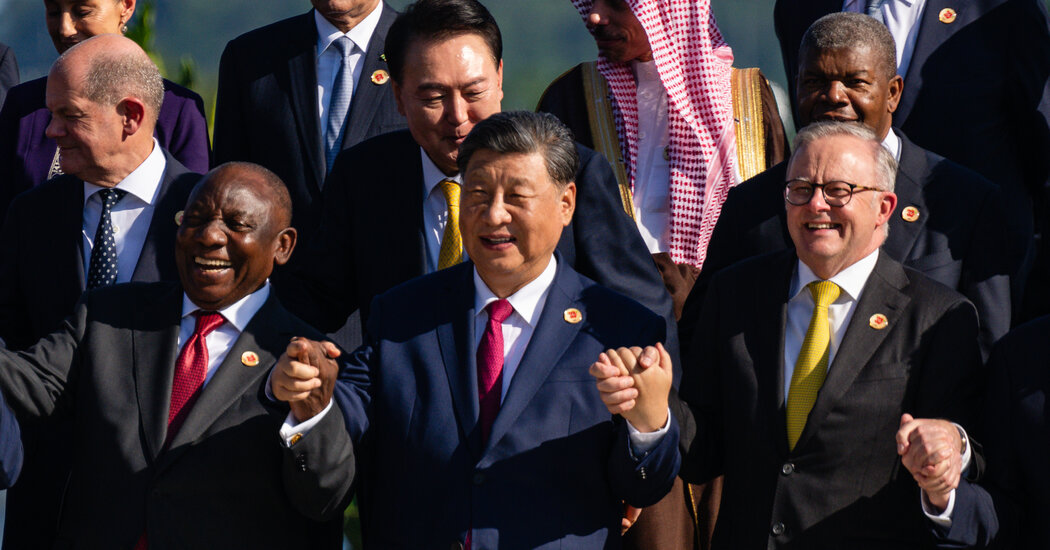
As Donald Trump returns to power, world leaders are increasingly looking to China for stability in international relations. This shift highlights the global community's desire for a balanced approach amidst changing political dynamics.
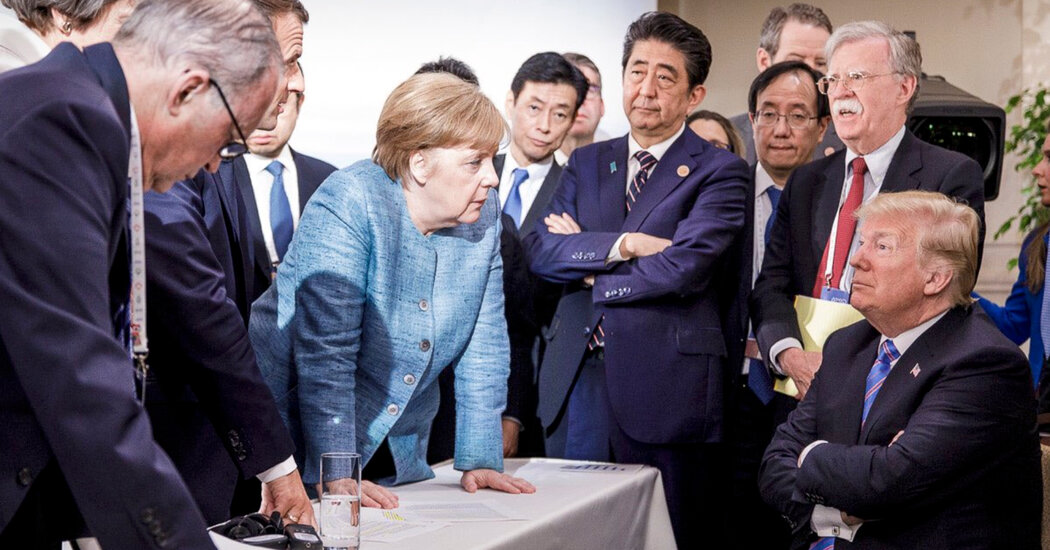
World leaders are strategizing for the possibility of a second Trump presidency, considering the potential impacts on international relations and diplomatic policies. They are preparing for shifts in U.S. foreign policy that could affect global alliances and trade agreements.
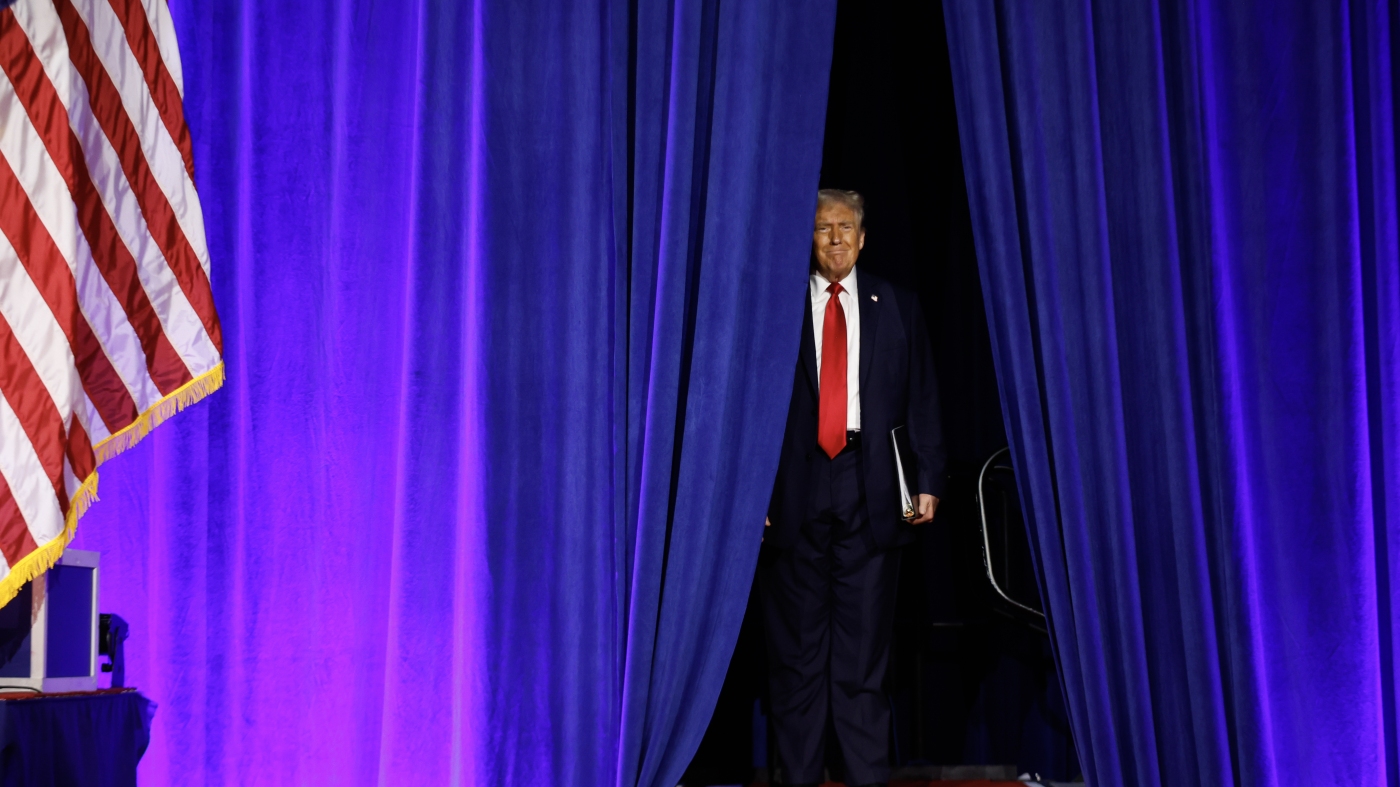
President-elect Donald Trump plans an ambitious agenda for his first 100 days, including closing the border, launching a large deportation program, dismantling Biden's climate policies, and revising the Affordable Care Act. He also intends to pardon January 6 rioters. Trump's transition is behind schedule, and his team has yet to sign formal agreements with the General Services Administration. World leaders are reacting to his election win, and Susie Wiles is announced as his White House chief of staff.
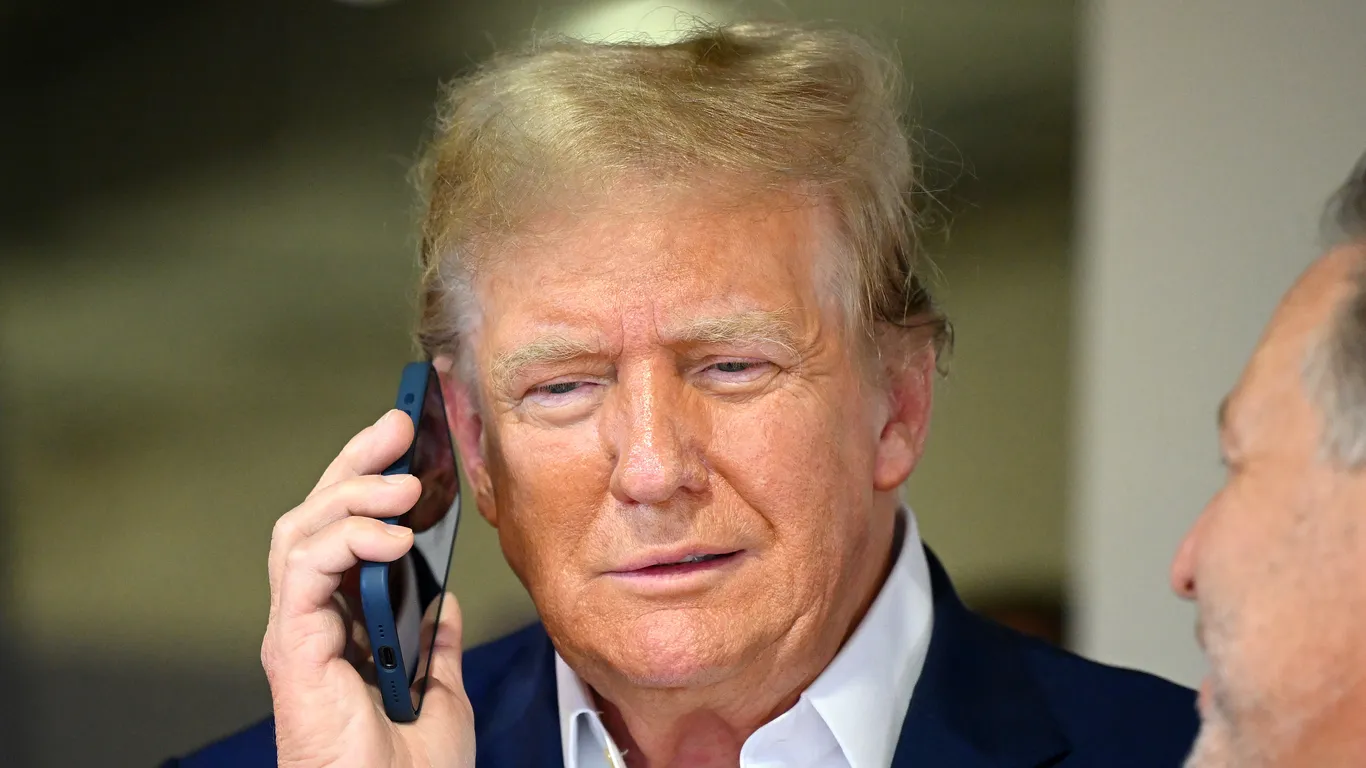
President-elect Donald Trump engaged in his first post-election discussions with world leaders, receiving congratulatory calls from figures such as Israeli Prime Minister Benjamin Netanyahu, Canadian PM Justin Trudeau, and French President Emmanuel Macron. Topics included Israel's security, trade agreements like the USMCA, and geopolitical issues involving Iran, Ukraine, and North Korea. Leaders expressed a desire to strengthen bilateral relations and address global challenges collaboratively.
The year 2024 is set to be a pivotal one for global democracy, with over a third of the world's population voting in key elections across Taiwan, Russia, India, and the United States. Despite the large-scale electoral processes, concerns about the health of democracy persist. Reuters' Mark Bendeich and Christopher Walljasper delve into the potential impact of these elections on the future of democratic governance, amidst challenges such as the influence of former U.S. President Trump, Putin's announcement to run again, Modi's strong position in India, and tensions in Taiwan influenced by China and internal issues like the Foxconn investigation.