The article describes the luxurious and heavily fortified presidential jets used by world leaders, highlighting the US Air Force One Boeing VC-25, along with other notable aircraft like the UK's Airbus A330 MRTT, Russia's Ilyushin IL-96, Germany's Airbus A350, France's Airbus A330, China's Boeing 747-8, and Japan's Boeing 777-300ER, showcasing their features and significance as symbols of power and prestige.
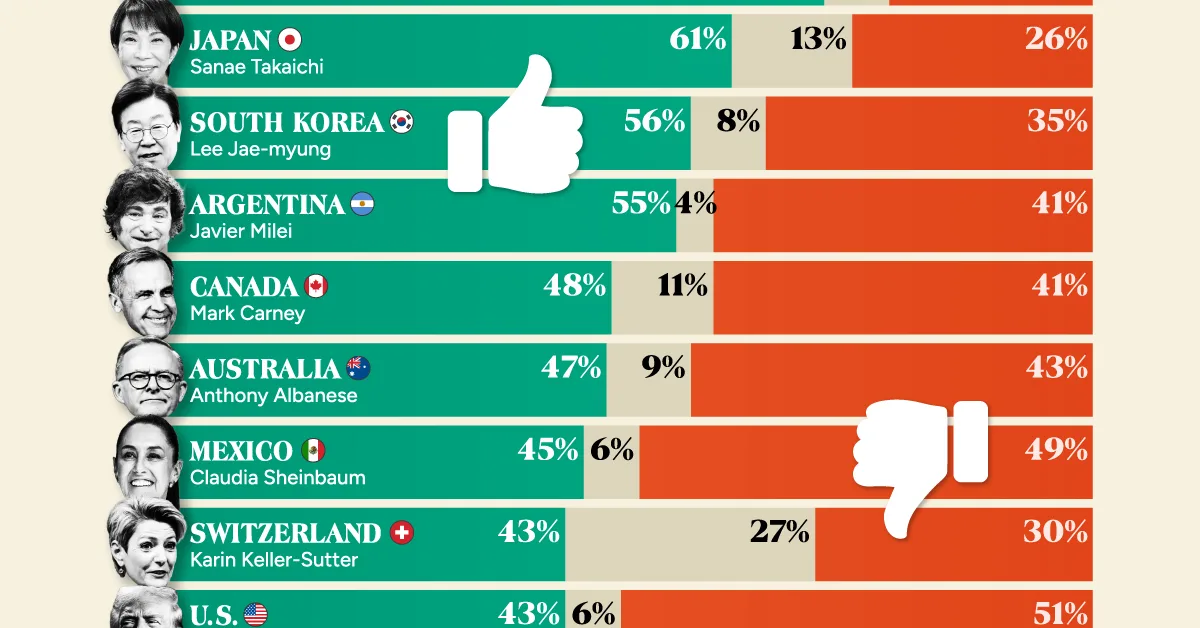
As 2025 ends, Narendra Modi remains the most popular global leader with 71% approval, though support has slightly declined, and many European leaders face low approval ratings, reflecting ongoing political and economic challenges worldwide.
President Trump hosted a Gaza ceasefire summit in Egypt where world leaders were humorously roasted, highlighting his controversial achievements and interactions with international figures.
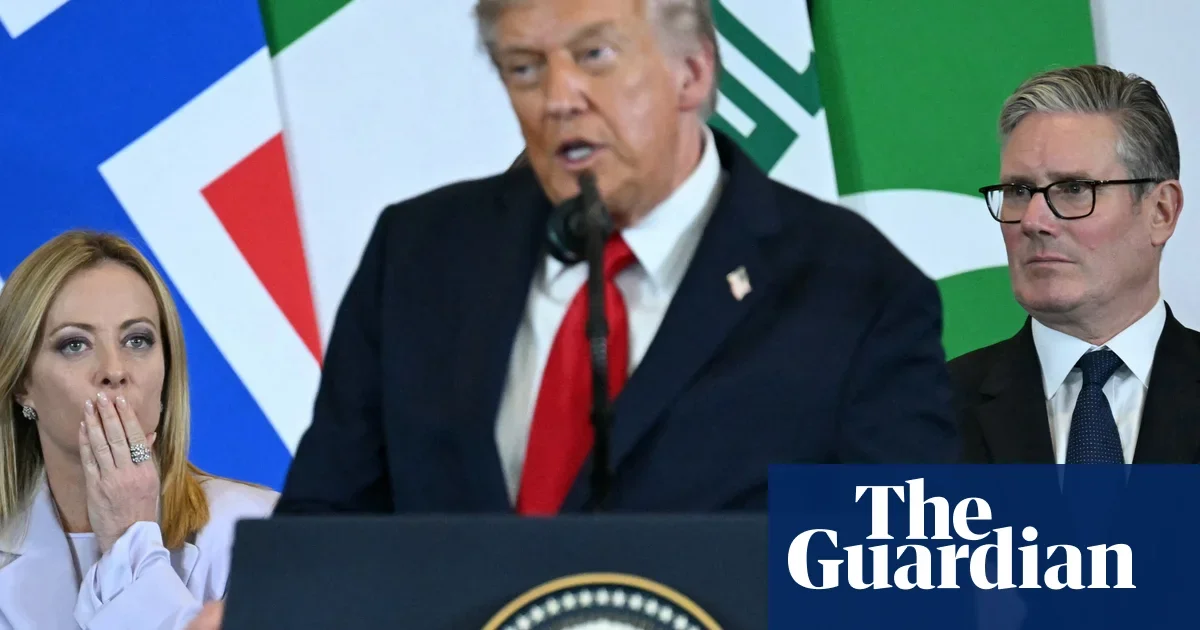
At the Gaza summit in Sharm el-Sheikh, Donald Trump engaged in a mix of praise and insults towards various world leaders, highlighting his controversial and unpredictable style, including compliments to some and dismissive comments about others, while some leaders like Iran's president declined to attend.
The article summarizes global leaders' diverse perspectives on Donald Trump's presidency, highlighting praise for his role in peace processes and criticism of U.S. policies, as expressed during the UN General Assembly.
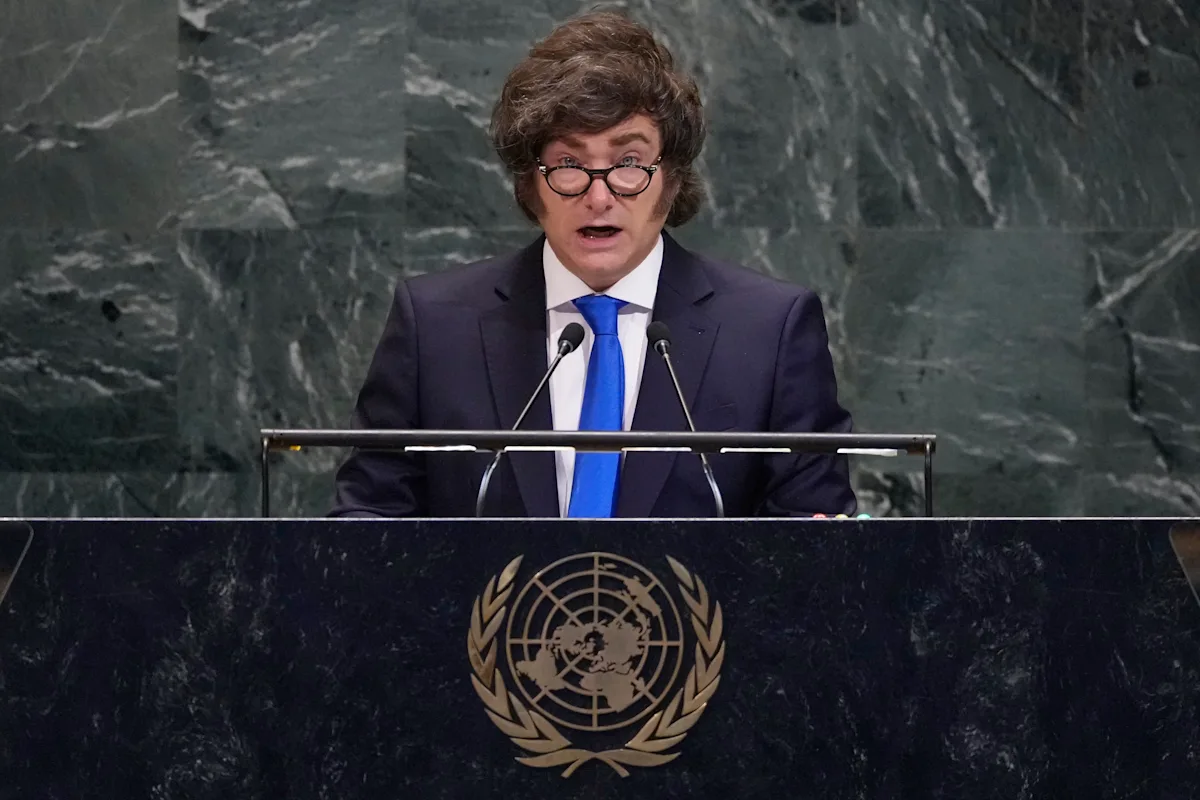
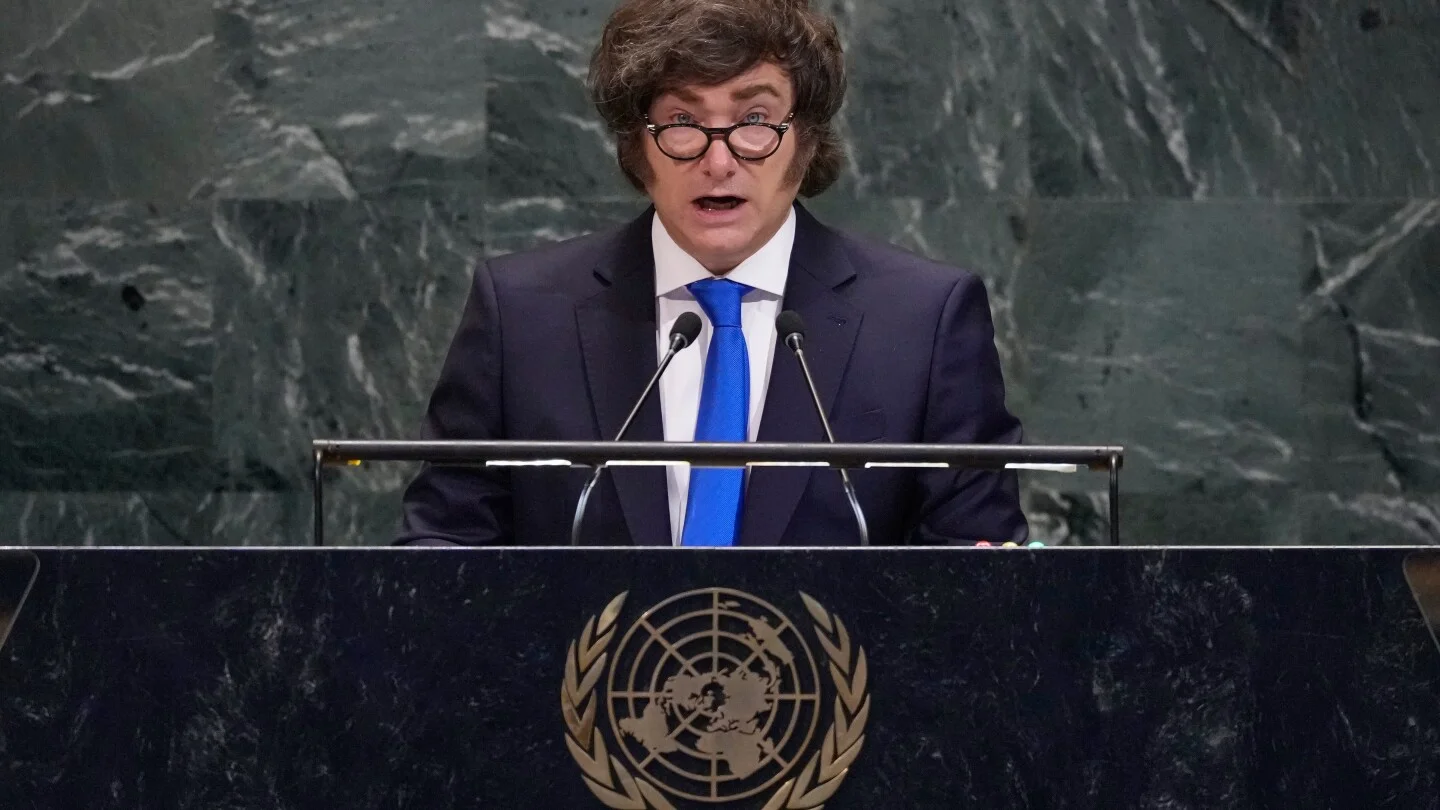
The article summarizes global leaders' diverse perspectives on Donald Trump and his policies during the UN General Assembly, highlighting both praise and criticism from countries including France, China, Argentina, Bolivia, Ukraine, Russia, India, Armenia, Cambodia, Slovenia, Belarus, Congo, Haiti, Saint Kitts and Nevis, Colombia, South Korea, Ireland, Israel, Palestine, and Brazil.
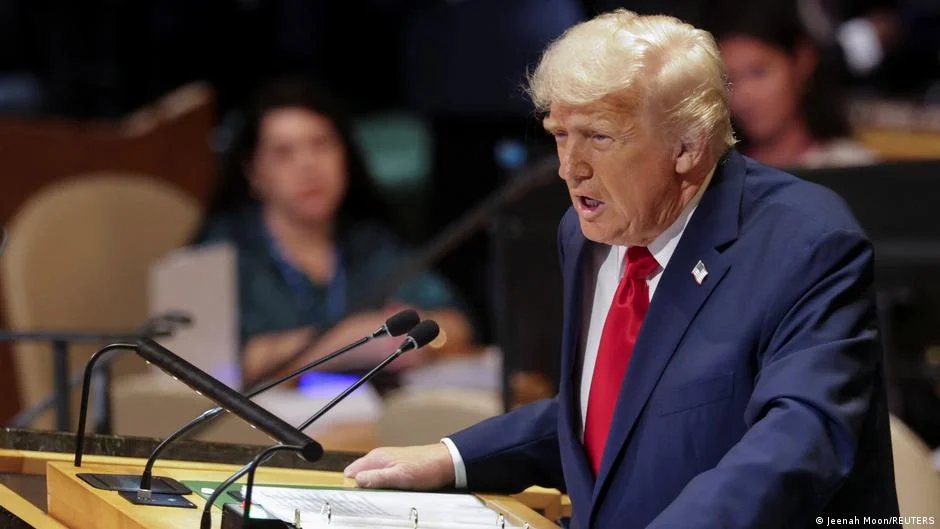
Donald Trump's UN speech elicited mixed reactions, with a humorous moment about a broken teleprompter causing laughter, but overall the delegates showed serious and stony faces, reflecting a shift in how his speeches are perceived globally. Body language experts note Trump's dominant posture and gestures aim to assert leadership, while reactions from world leaders suggest a more cautious or subdued response compared to previous years, possibly due to changing political dynamics.
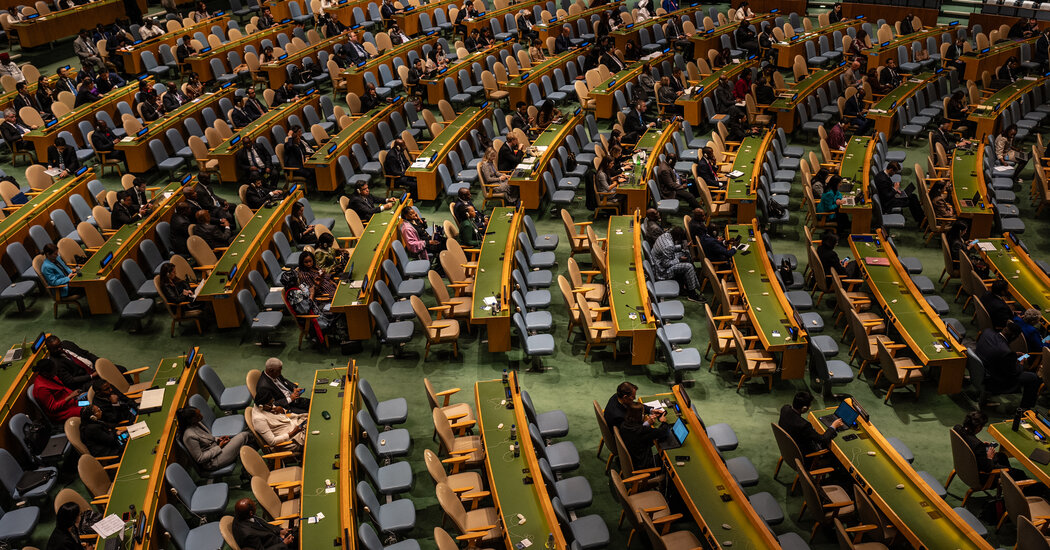
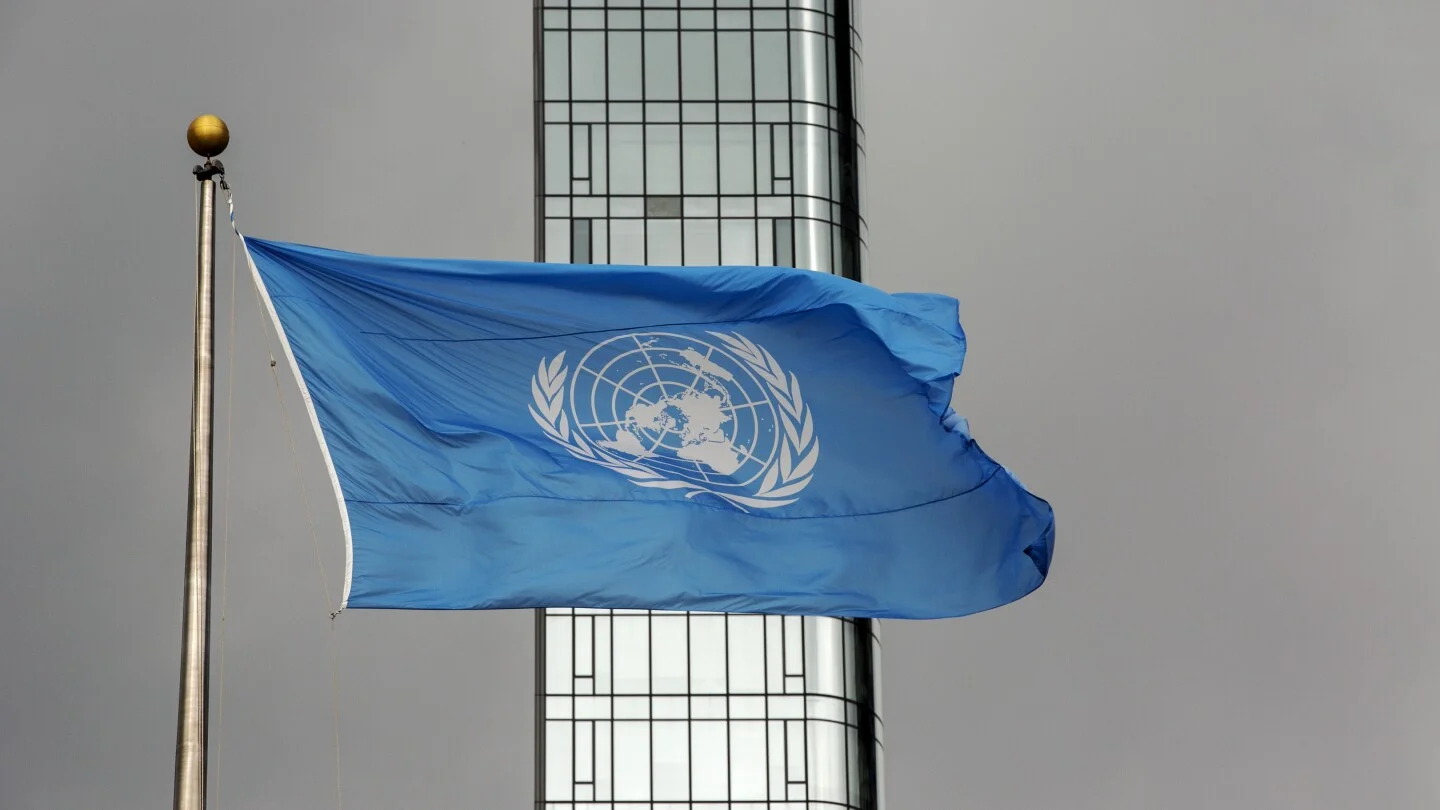
The 2025 UN General Assembly in New York features over 150 world leaders discussing key issues like Palestine recognition, climate change, and global conflicts, with notable tensions between Brazil and the US, and debates on Palestine's UN status amid US vetoes. The event highlights international diplomacy and ongoing geopolitical challenges.
The UN General Assembly sees over 140 world leaders discussing global peace, climate change, and regional conflicts, with key moments including recognition of Palestinian statehood, a climate summit urging emission reductions, and US President Trump's return to address international issues amid ongoing Middle East tensions and internal UN challenges.
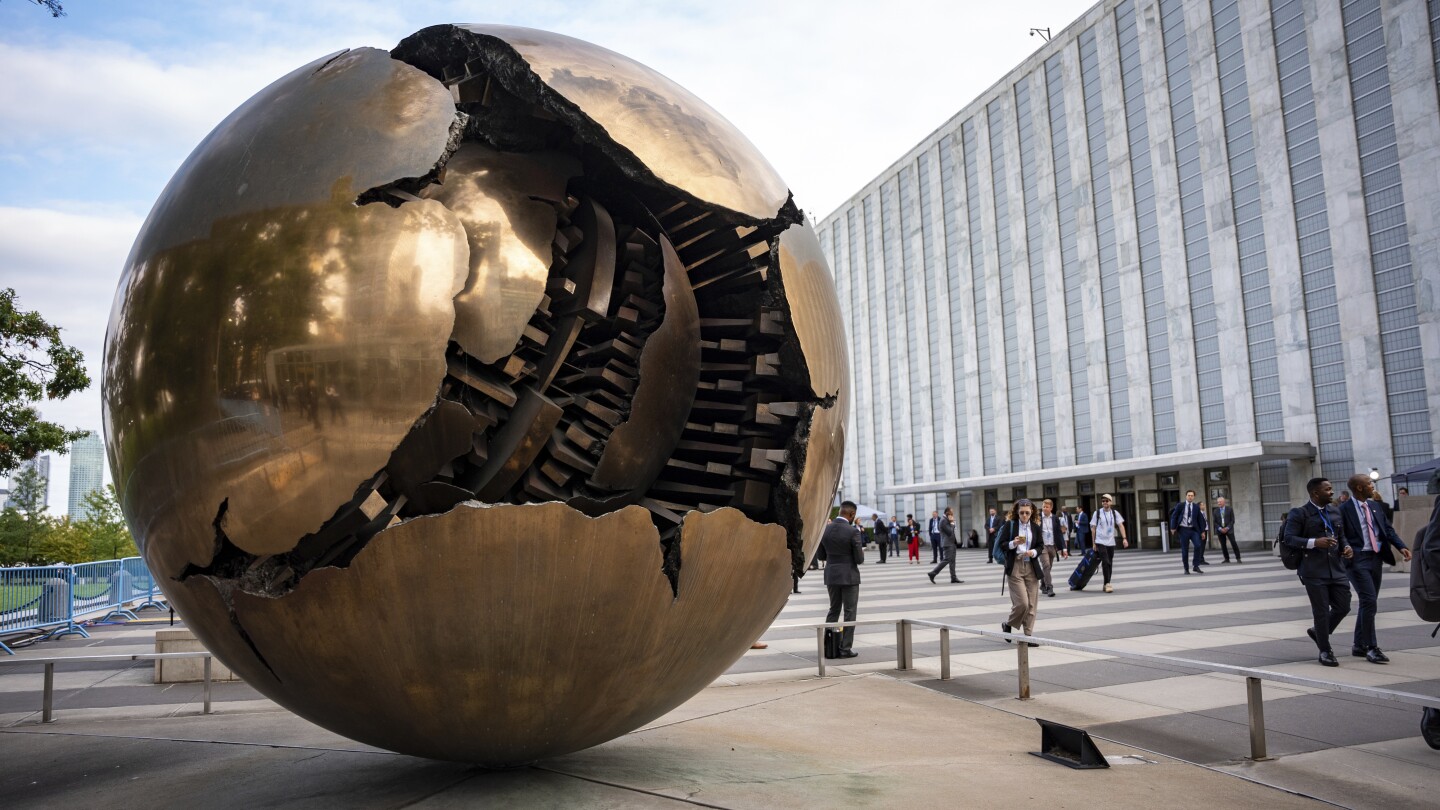
The 80th UN General Assembly in New York will feature discussions on global conflicts like Ukraine and Gaza, Palestinian statehood recognition, climate change, artificial intelligence, and high-level meetings between world leaders, amid ongoing wars and a budget crisis.
World leaders gather at the UN amid crises like wars in Gaza and Ukraine, climate change, and global inequalities, with discussions focusing on conflicts, U.N. funding, and efforts to reform the organization amidst a polarized international landscape.
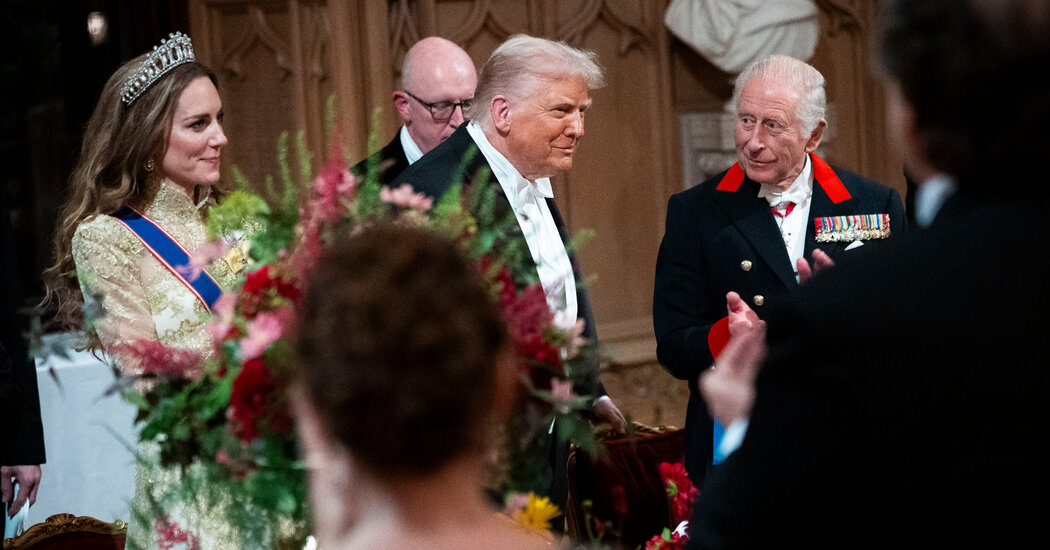
A state dinner at Windsor Castle was attended by a diverse group including King Charles III, Queen Camilla, President Trump, and various leaders from business, technology, and government, highlighting a gathering of influential figures from around the world.
Chinese President Xi Jinping hosted a summit in Beijing, welcoming world leaders including Vladimir Putin, Kim Jong-un, and others, with various meetings and social events highlighting international diplomacy.
The article discusses how President Trump has shifted from skepticism to receiving more flattery and praise from world leaders, which appears to be a strategic move to secure favorable outcomes like increased NATO defense spending and successful trade deals, reflecting a more obsequious diplomatic approach during his second term.
World leaders are choosing between flattering or opposing President Trump, with each approach offering different political advantages and risks amid his tumultuous second term.